Thann · 68
Mansions
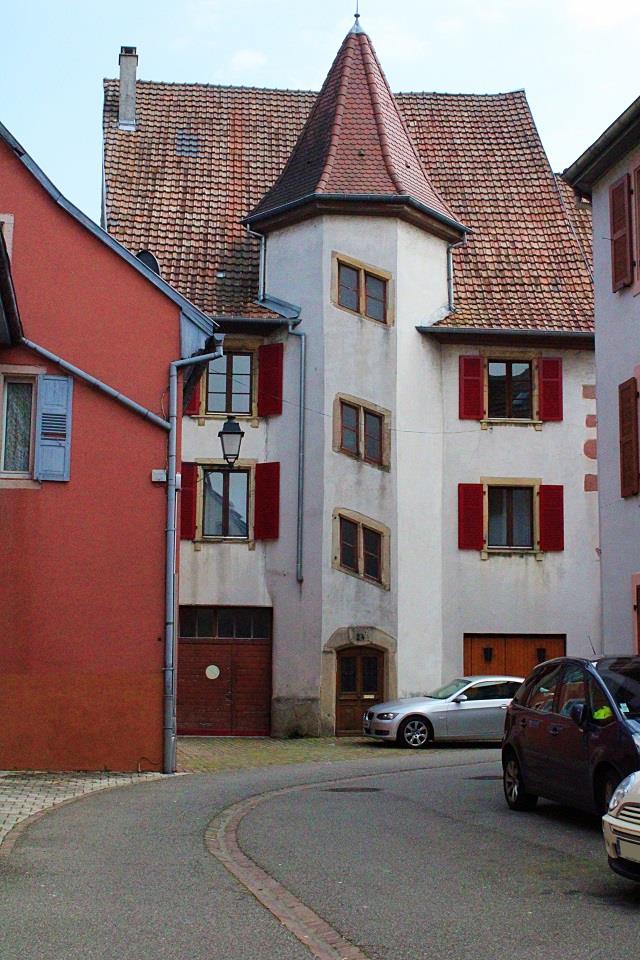
Administrator's House (24 rue de la Halle)
This 16th-century house, former residence of administrator Kloetzlin, features a carriage gate and pink sandstone corner quoins, signs of its prestigious past.
Discover this place idées.outings in Alsace
290 places
Thann · 68
This 16th-century house, former residence of administrator Kloetzlin, features a carriage gate and pink sandstone corner quoins, signs of its prestigious past.
Discover this place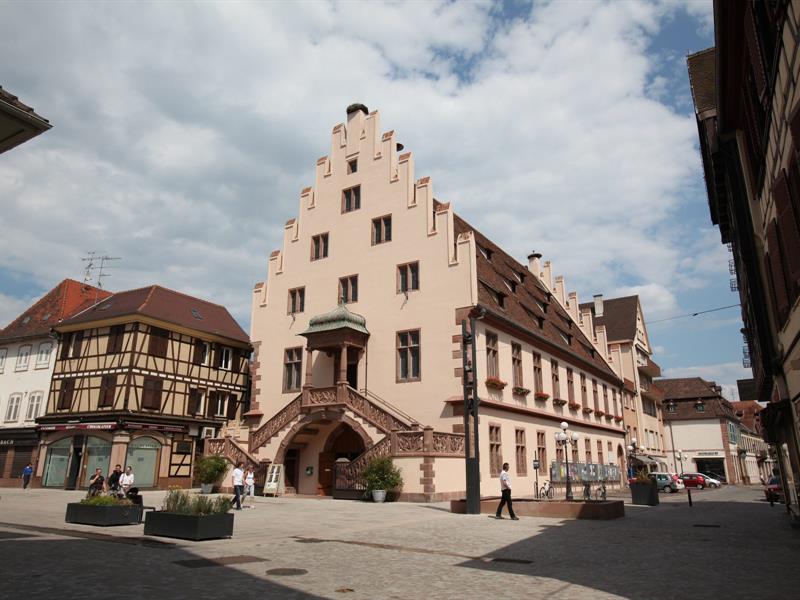
Sélestat · 67
The Arsenal Sainte-Barbe, a 15th-century Gothic building, was first a weapons warehouse before becoming a hall for celebrations and meetings. Its Renaissance gable and stork's nest make it a picturesque spot.
Discover this place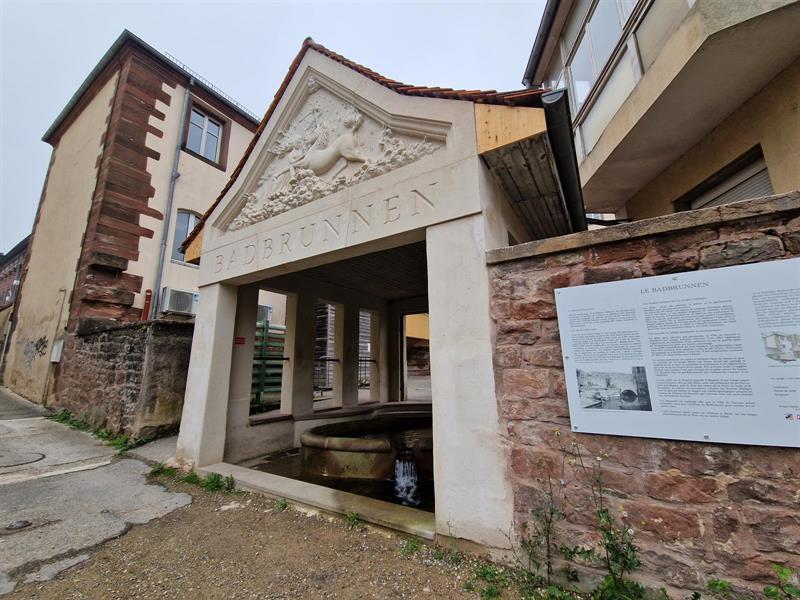
Saverne · 67
The Badbrunnen spring in Saverne is linked to a local legend: a unicorn purified the water with its horn. A recent fountain, adorned with a bas-relief of this emblematic animal, keeps this story alive.
Discover this place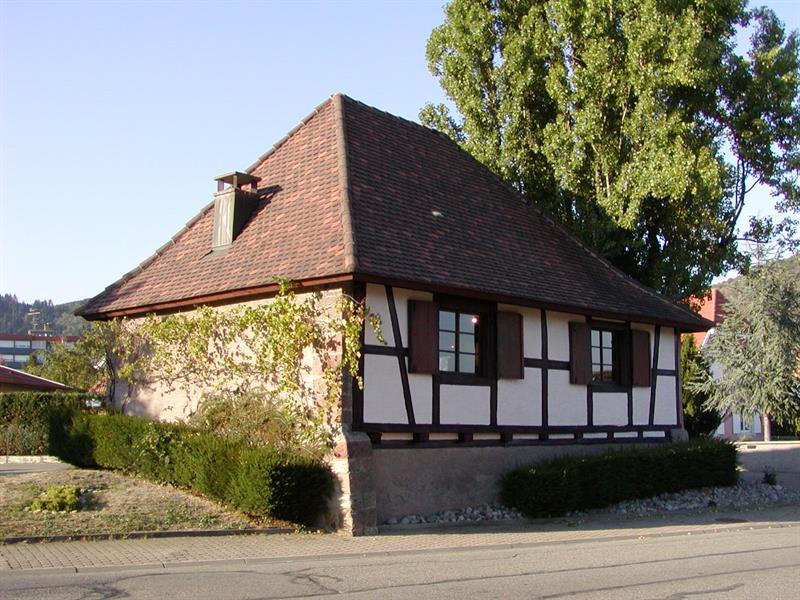
Thann · 68
Since 1483, the people of Thann elect four bangards annually from the bourgeoisie to watch over vineyards and forests. Their service is honored with engraved panels, some of which are displayed at the museum.
Discover this place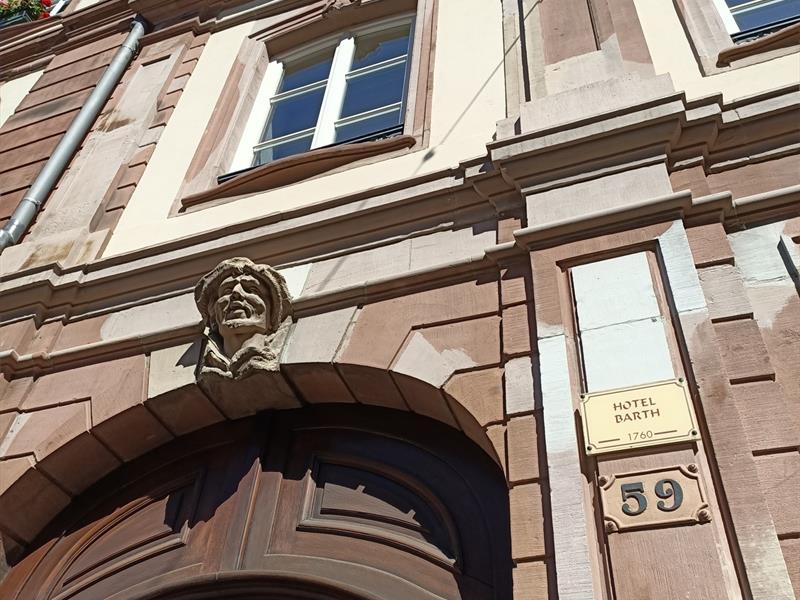
Haguenau · 67
This townhouse, designed by architect Georges-Joseph Barth, features windows adorned with sculpted mascarons. The ground floor shows the four seasons, while upstairs, two couples—bourgeois and rural—frame a balcony with rocaille-decorated brackets.
Discover this place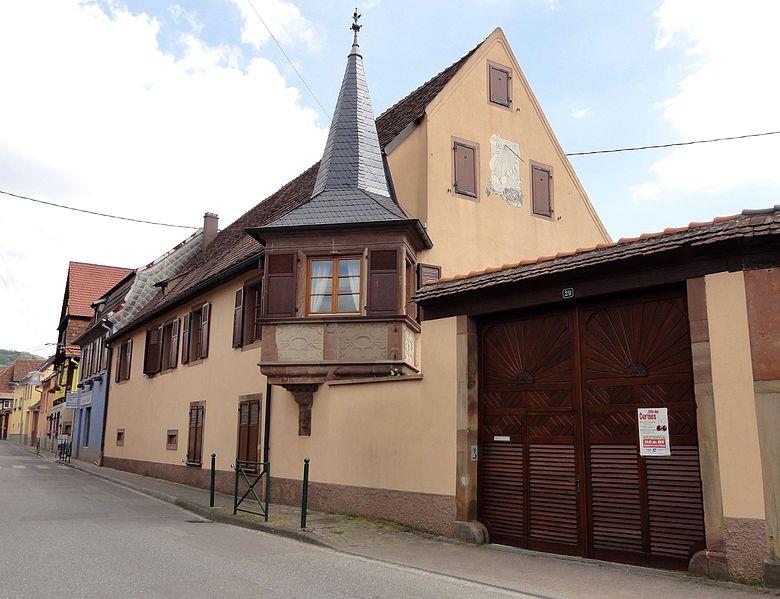
Westhoffen · 67
Birris Street, named after a Swiss family settled in the 16th century, features remarkable old houses like a 1614 farmhouse with timber framing, carvings, and solar discs, and a 17th-century building partially listed as a historic monument since 1929.
Discover this place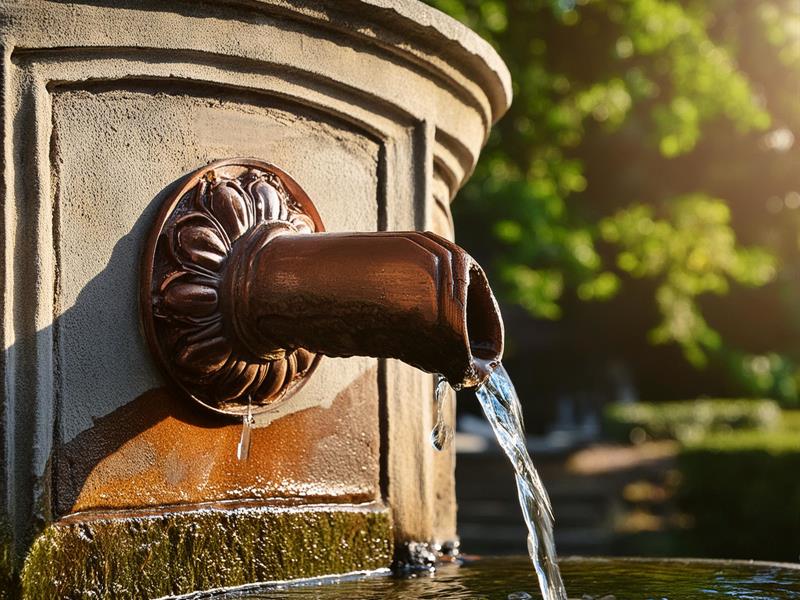
Niederhausbergen · 67
Schiltigheim · 67
Thann · 68
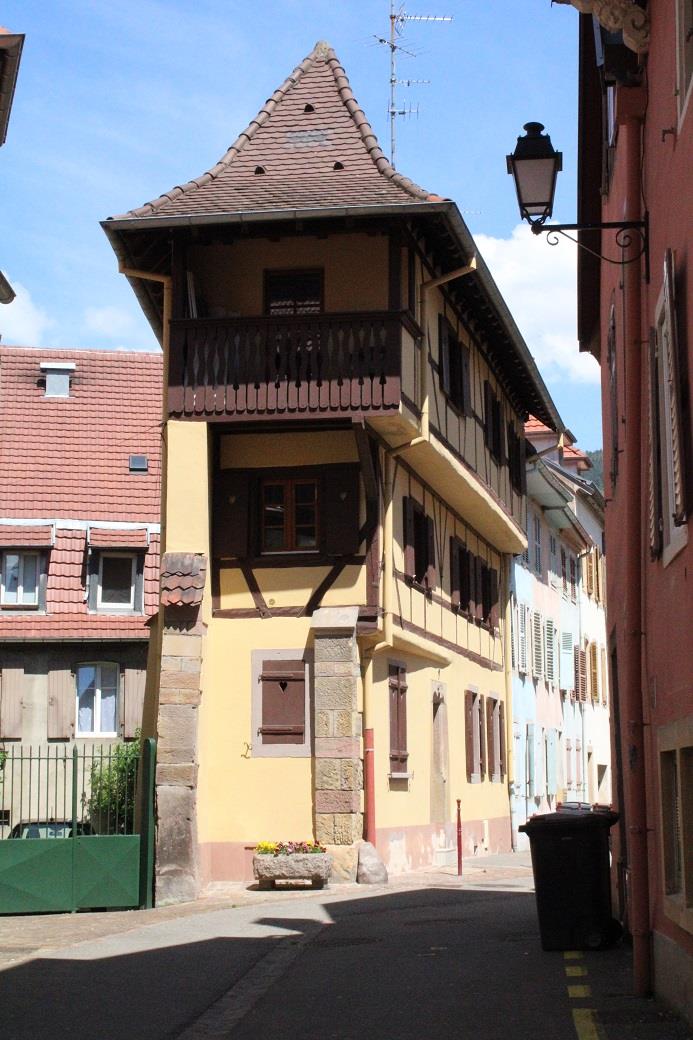
This 1594 house, with successive overhanging floors, illustrates the ingenuity of builders of the time. Its notched shield and Gothic structure make it an architectural gem.
Discover this place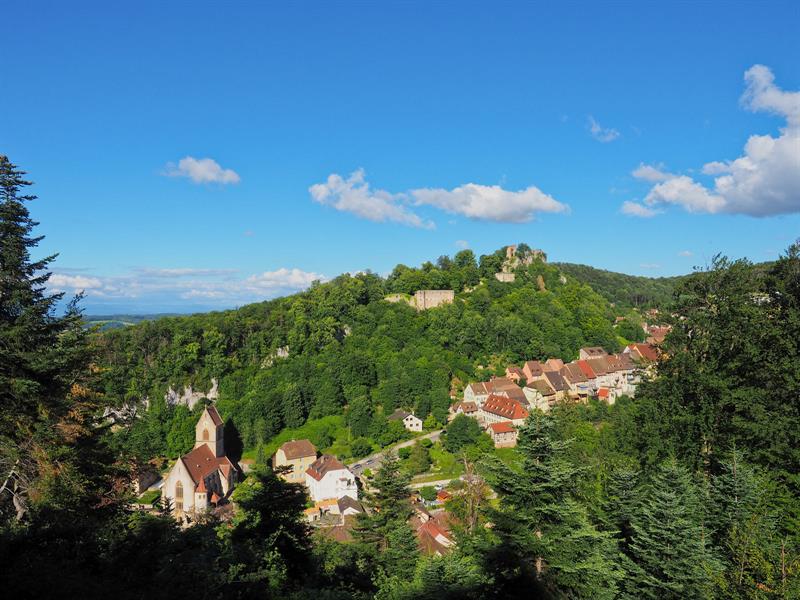
Ferrette · 68
The Château de Ferrette, one of Alsace's oldest castles (first mentioned in 1105), offers exceptional panoramic views from its medieval ruins. Open for self-guided visits year-round, with free downloadable audio guides available.
Discover this place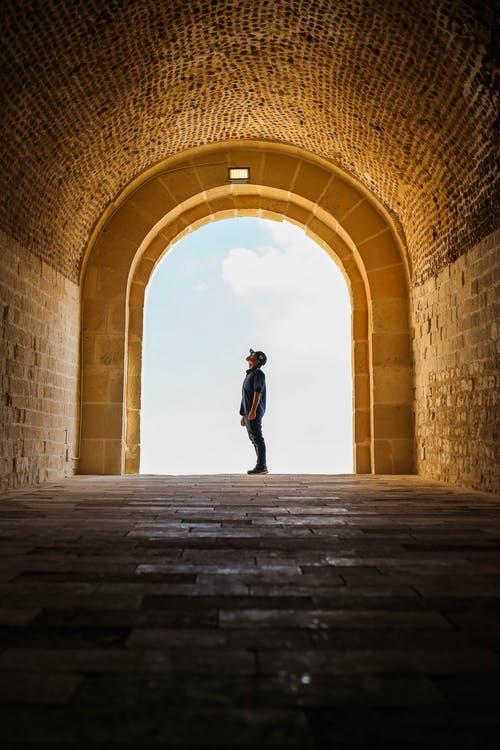
Romanswiller · 67
In the 16th century, Romanswiller was divided between Strasbourg, the Bishopric, and the Bock family. In the 17th century, Strasbourg bought the Bishopric's shares. The castle, later owned by the Barons Haindel, was dismantled in 1872. Today, a country house and its park occupy the former site.
Discover this place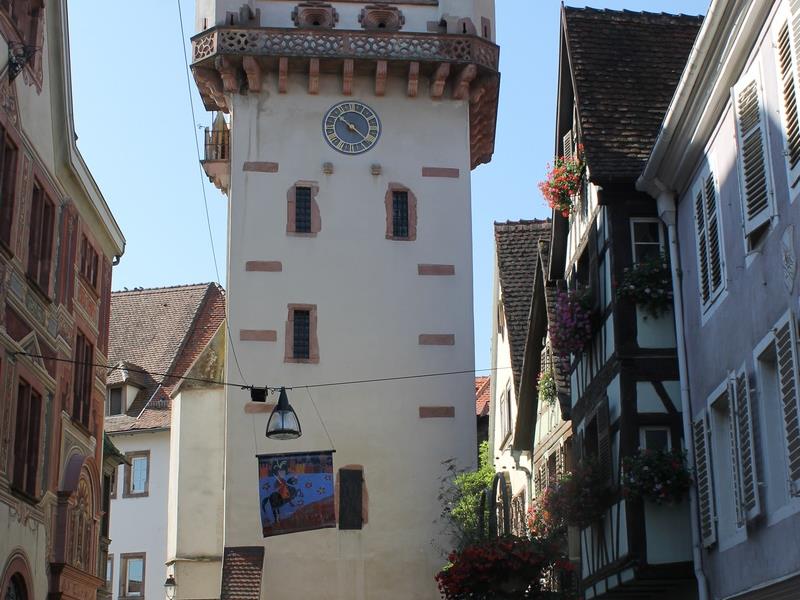
Sélestat · 67
The Tour Neuve, also called the Clock Tower for its double dial, was one of the four gates of Sélestat's second enclosure in 1280. Its murals depict religious scenes and coats of arms under the vault.
Discover this place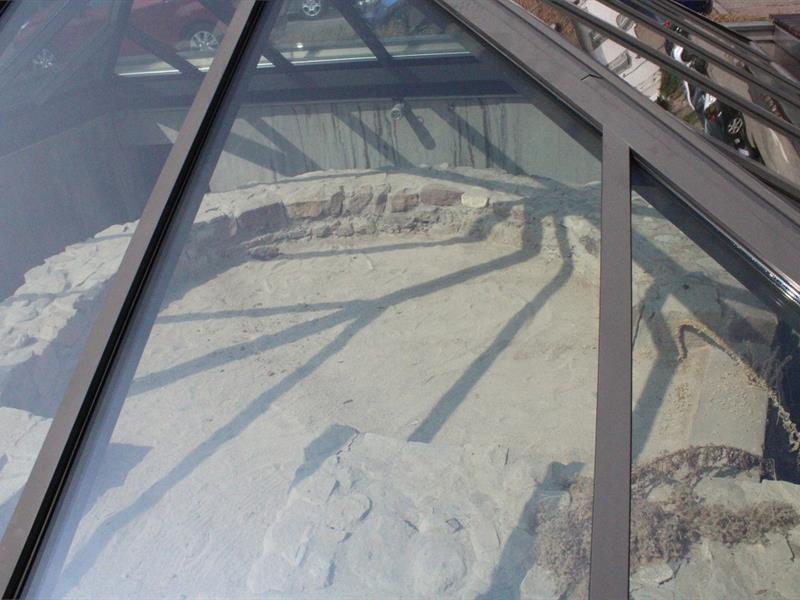
Cernay · 68
This property of the knights of Ferrette, dating from the 14th century, is built along the first ramparts. Remains of the residential tower are visible under a glass canopy, and ground markings indicate the location of the old fortifications.
Discover this place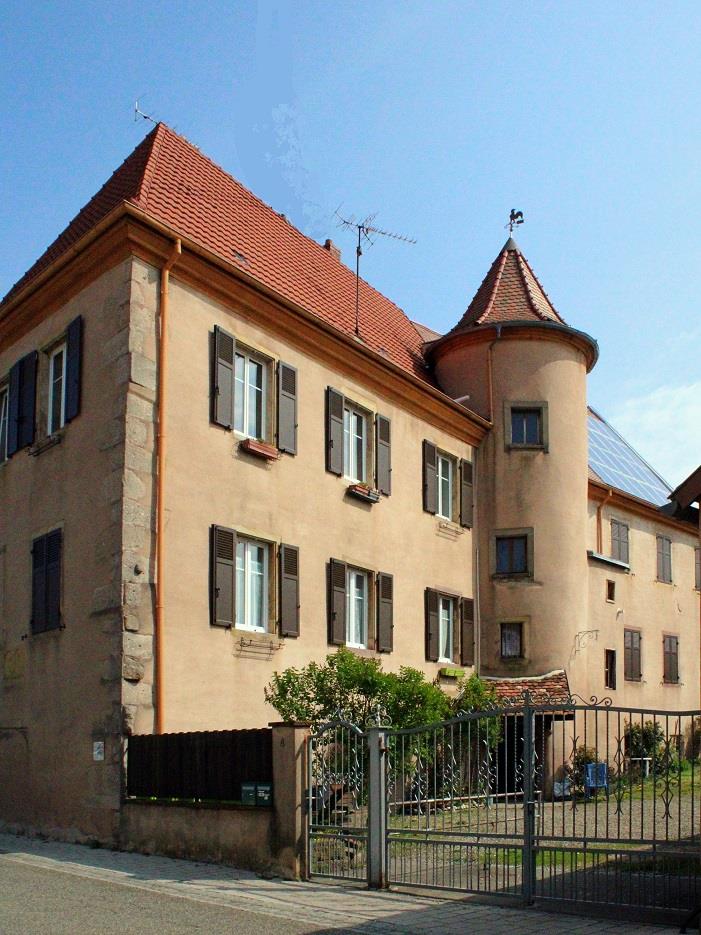
Cernay · 68
This site, owned by the Cistercian Abbey of Lucelle since the 12th century, features the Habsburg coat of arms and Renaissance staircases. Additional details are provided on an information panel.
Discover this place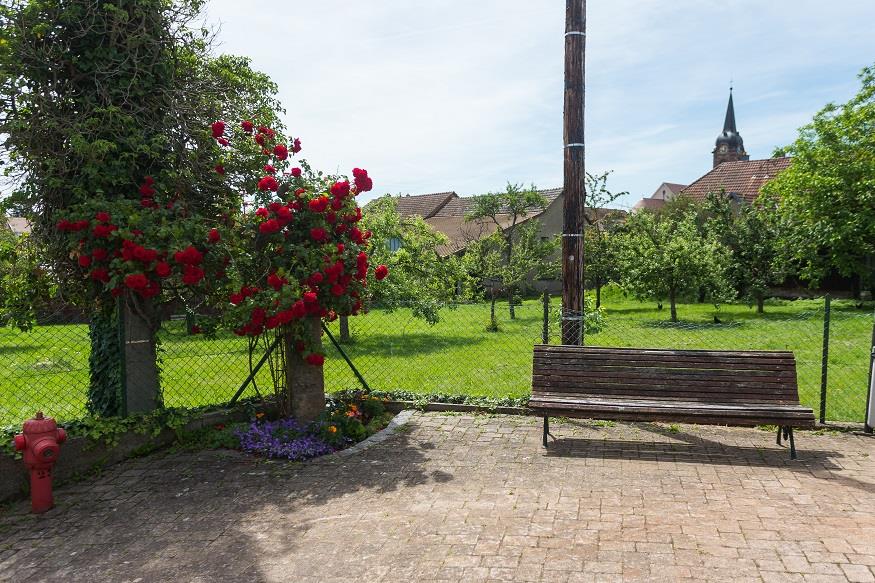
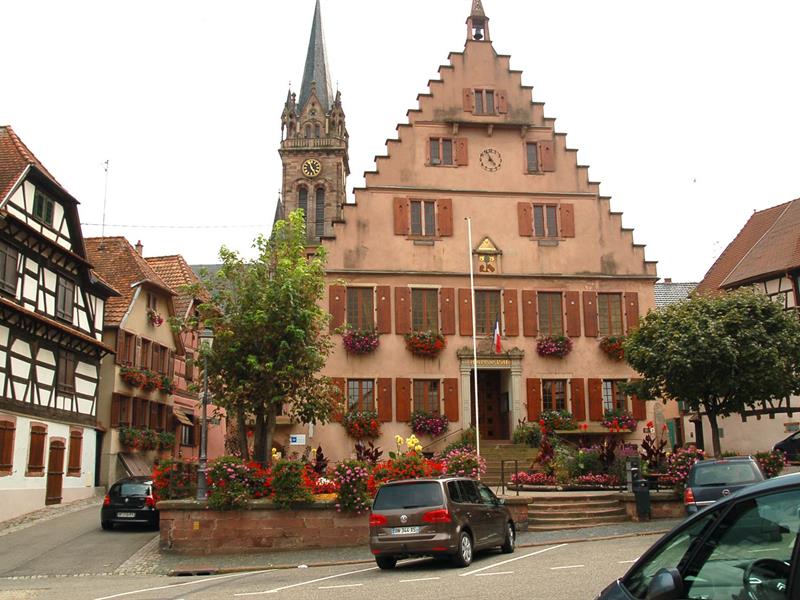
Dambach-la-Ville · 67
The Renaissance Town Hall, built in 1547, is distinguished by its stepped gable topped with an iconic belfry.
Discover this place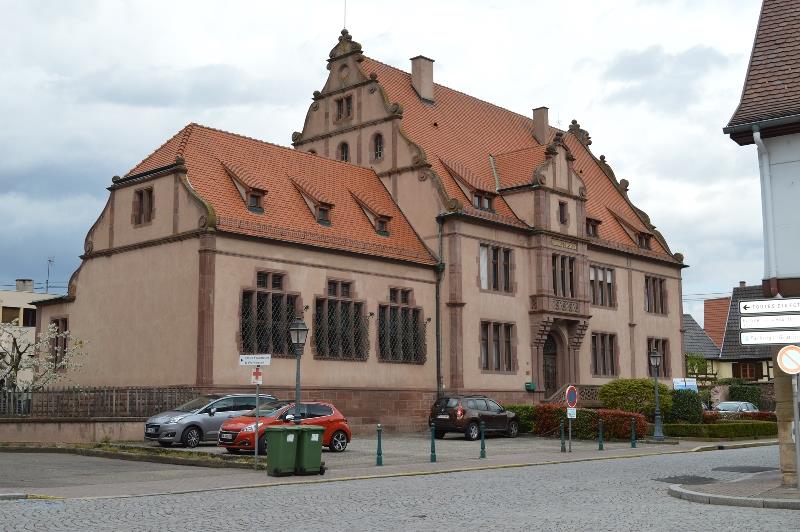
Molsheim · 67
This 1906 neo-Renaissance building by Maximilien Metzenhin is inspired by the Metzig, with scroll gables, mullioned windows, and a staircase railing. Behind the Tribunal, a former prison converted into a residence since 1958 completes this historic site.
Discover this place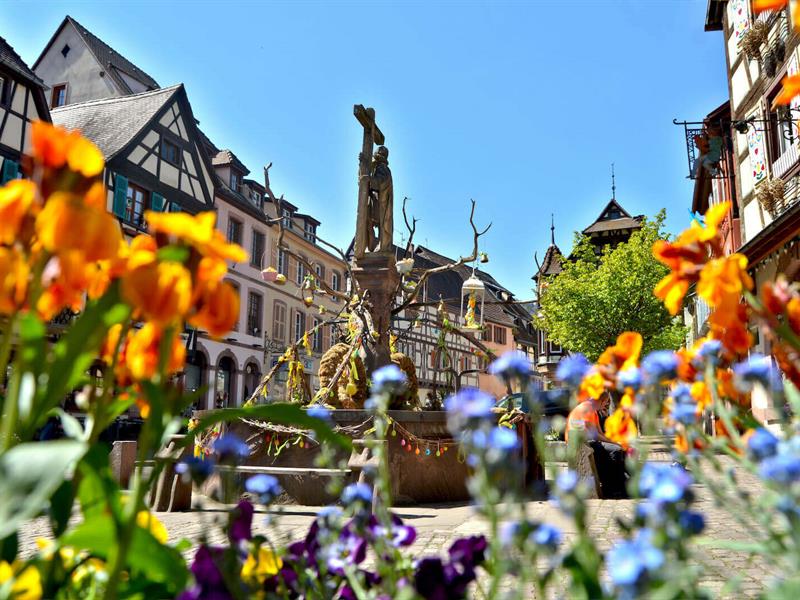
Kaysersberg Vignoble · 68
The Emperor Constantine Fountain, a historic monument since 1932, stands on the church square in Sélestat. Built in 1521 from pink and yellow sandstone, it depicts the Roman Emperor Constantine, known for the Edict of Milan in 313.
Discover this place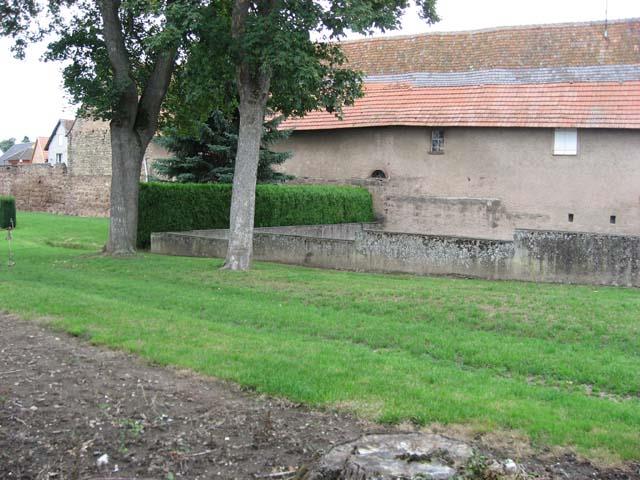
Dachstein · 67
The Dachstein mill, mentioned as early as 1353, features a 19th-century metal paddle wheel and an entrance door dated 1502. It has undergone numerous repairs over the centuries.
Discover this place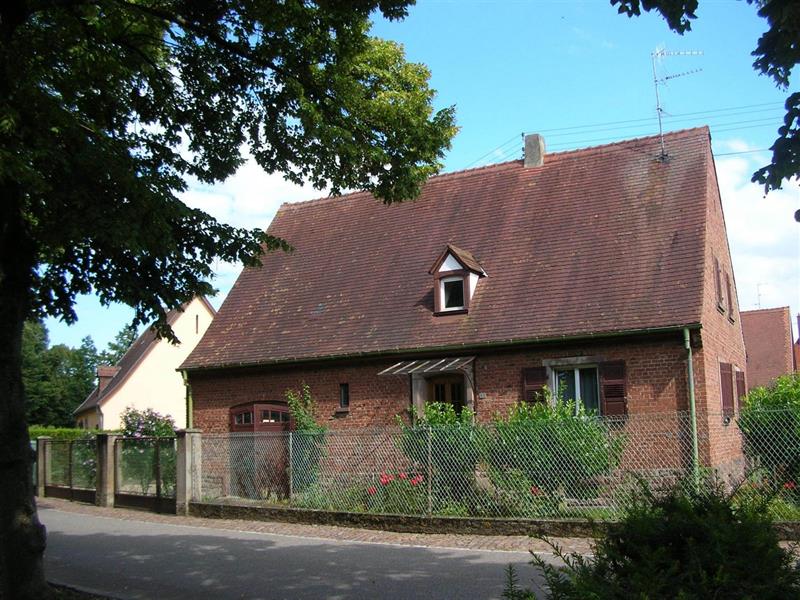
Marckolsheim · 67
The Marckolsheim farming settlement, built from 1941, illustrates a Nazi architectural and social project blending functionality and propaganda. It offers three types of housing: workers' houses, medium farms, and hereditary farms.
Discover this place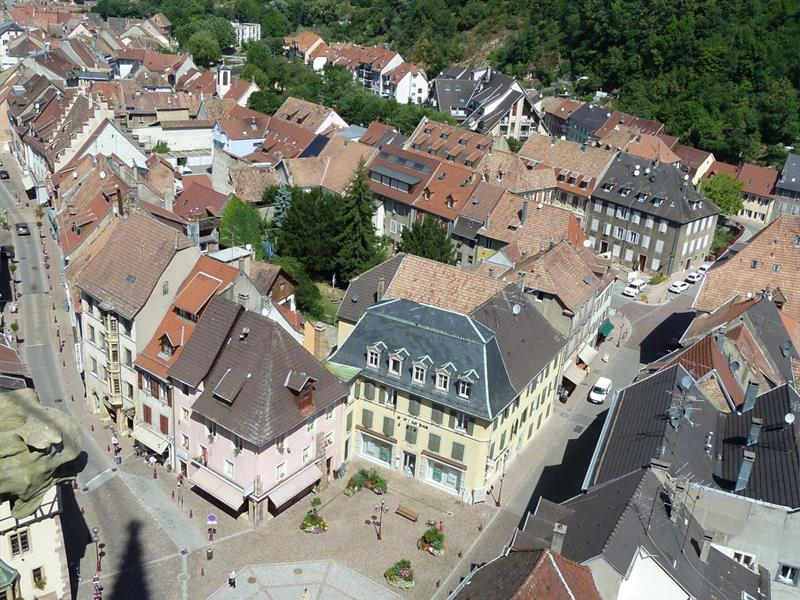
Thann · 68
This central street, a commercial artery of the city, houses two historic houses adorned with bay windows: one from the 16th century with a statuette of a monkey playing the bagpipes, the other also from that era.
Discover this place
Uffholtz · 68
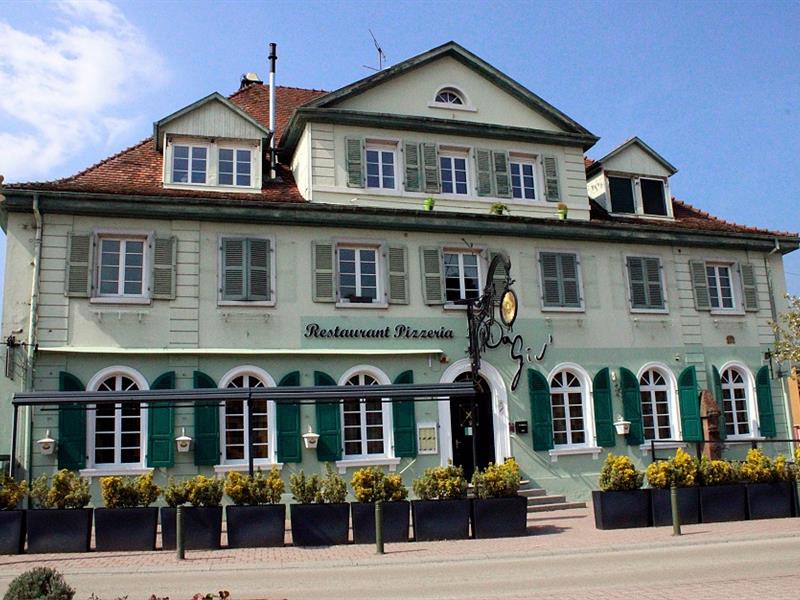
This restaurant, formerly a hotel, features a sun-shaped sign and is named after Jules Frantz, inventor of fried carp in 1880. Inside, a washbasin from the old Sainte-Croix chapel is visible.
Discover this place