Haguenau · 67
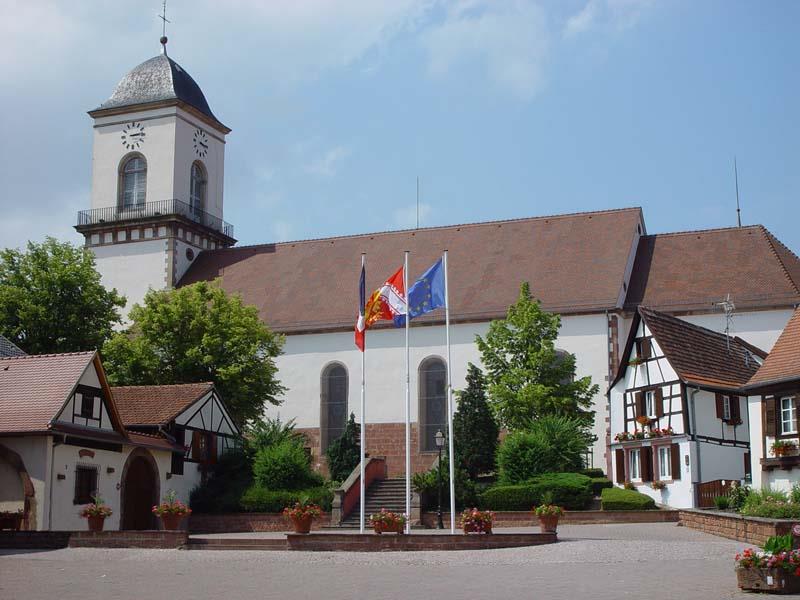
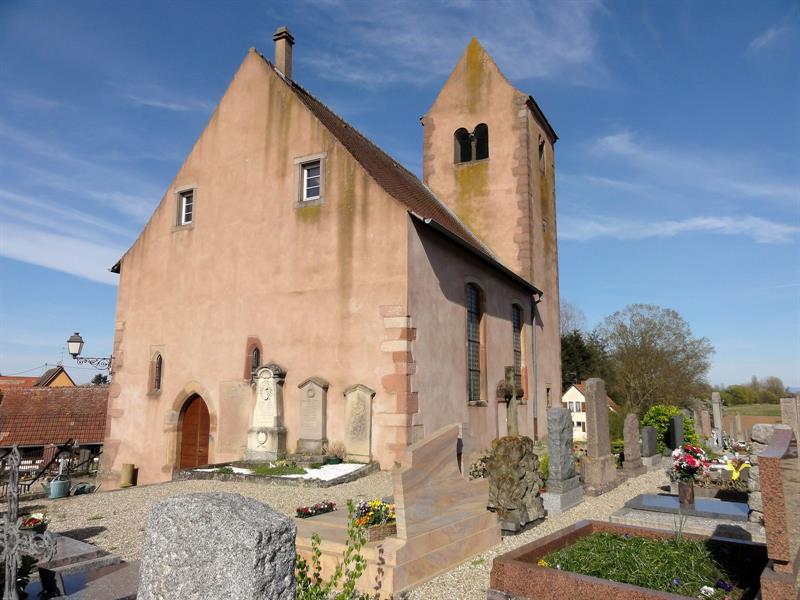
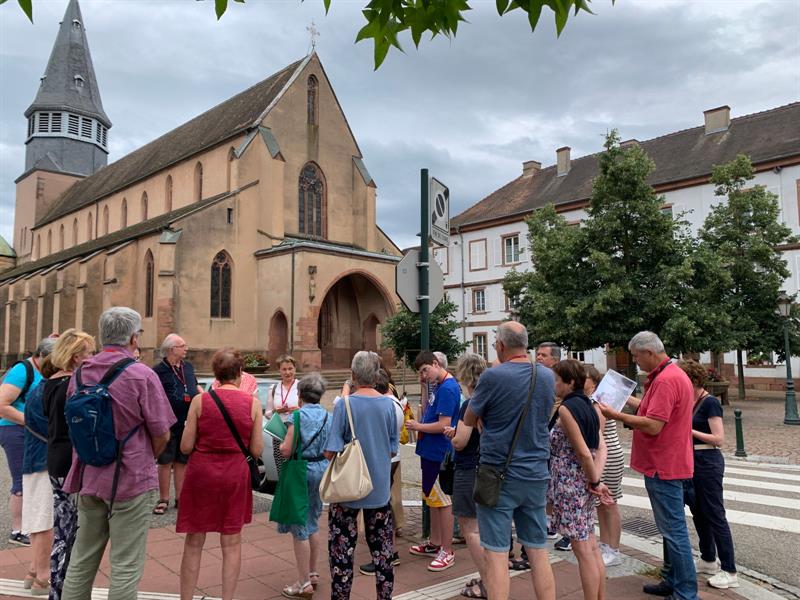
Saint Nicholas Church
Founded in 1189 in Haguenau, this hospice-turned-Gothic church houses a 14th-century Holy Sepulchre and furniture from Neubourg Abbey, featuring contemporary stained glass by Arthur Schouler.
Discover this place337 places
Haguenau · 67
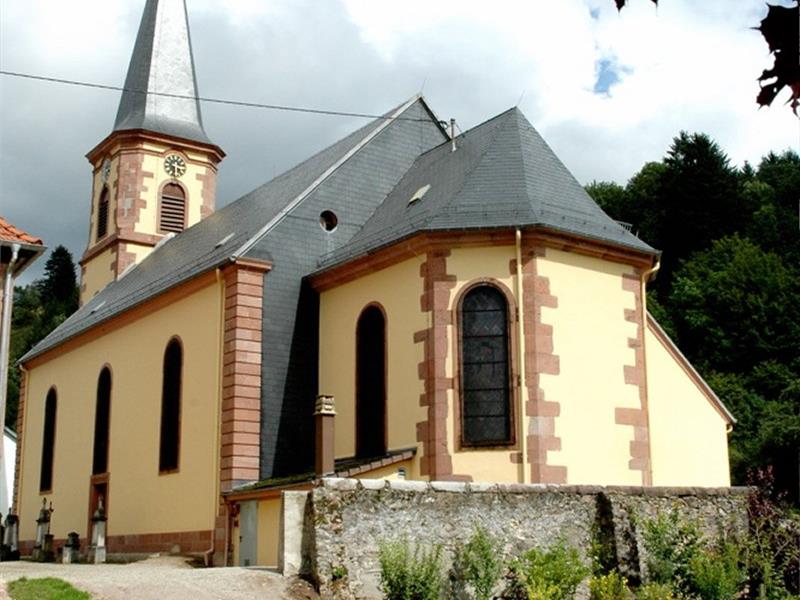
Founded in 1189 in Haguenau, this hospice-turned-Gothic church houses a 14th-century Holy Sepulchre and furniture from Neubourg Abbey, featuring contemporary stained glass by Arthur Schouler.
Discover this place
Colroy-la-Roche · 67
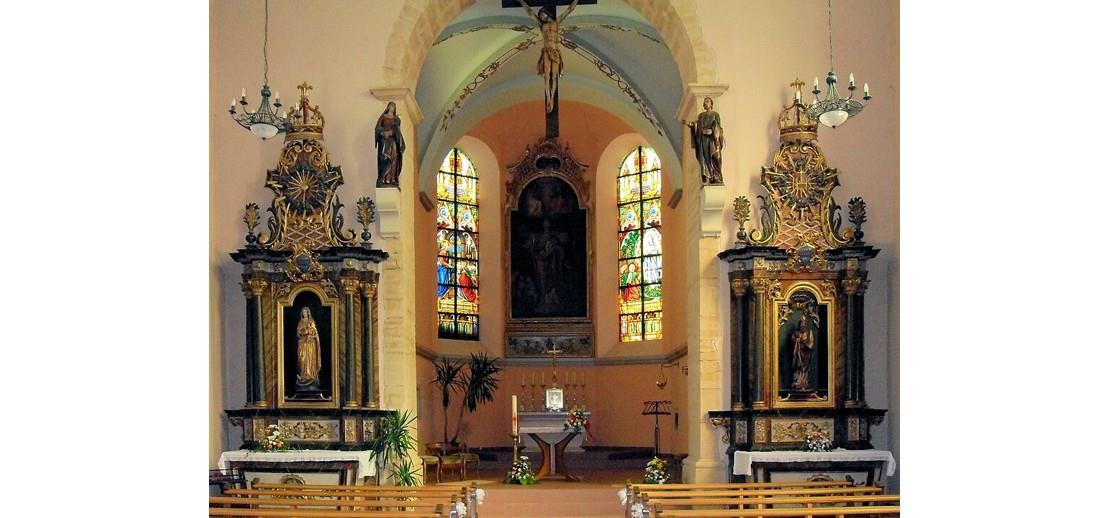
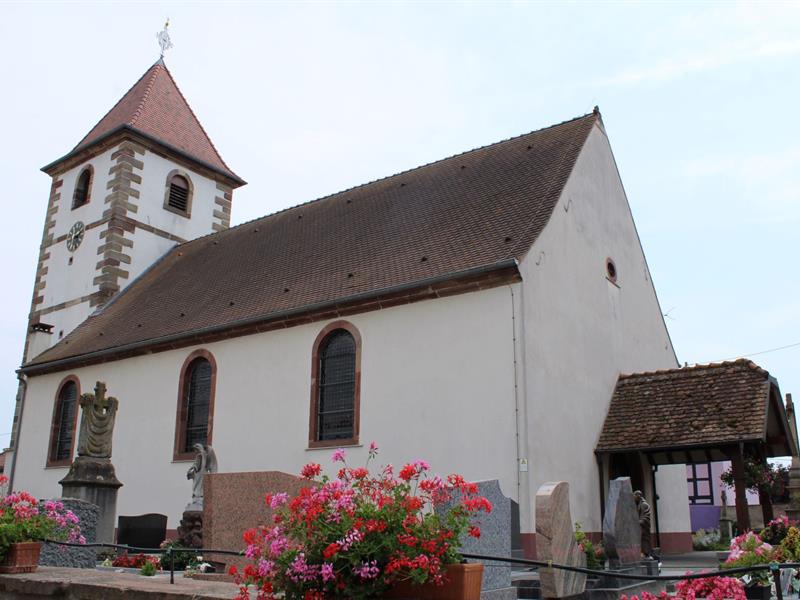
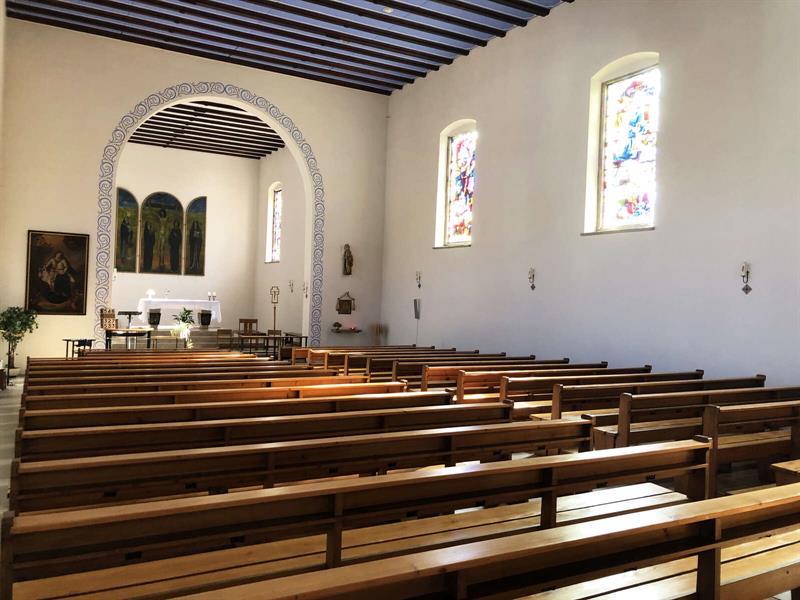
This Alsatian neoclassical church, built in 1779, houses a main altar and two side altars in Baroque marble, likely from Mont Sainte-Odile and moved here after the Revolution.
Discover this place
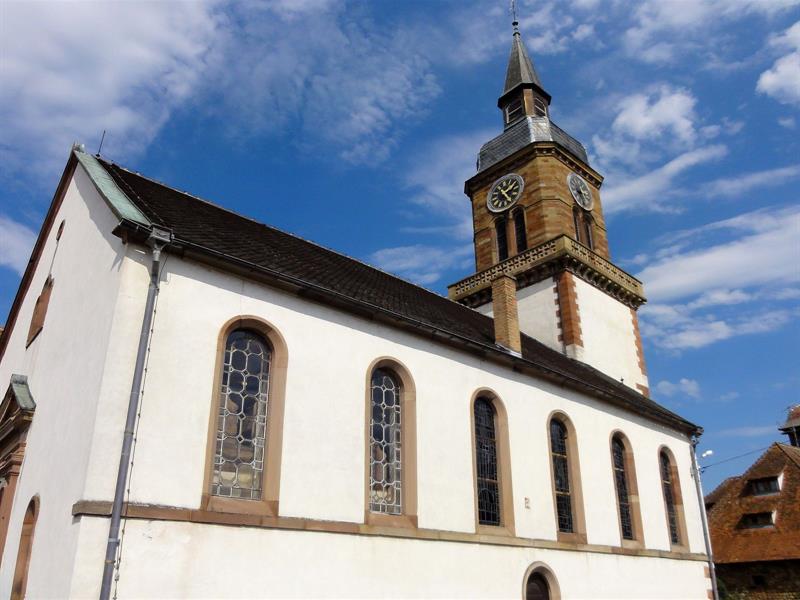
Katzenthal · 68
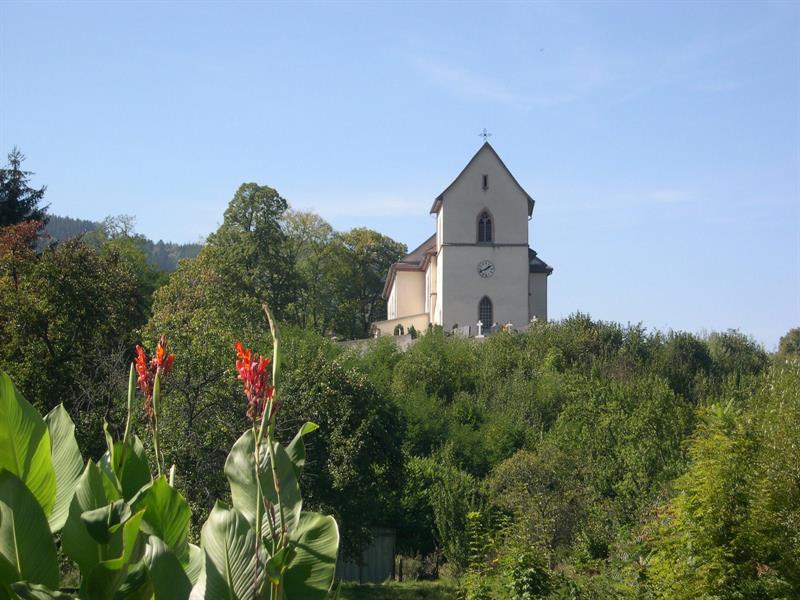
The Saint Nicholas Church, built in 1719, complements the existing Virgin chapel. Its bell tower, added in 1895, was rebuilt after the war in the 1950s.
Discover this place
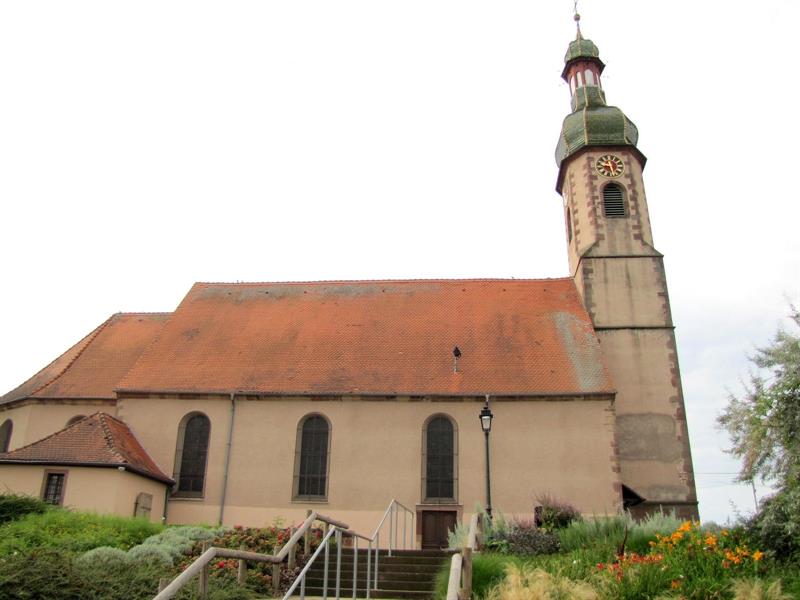
Oberentzen · 68
This church, built in 1744 on the foundations of a 14th-century building, houses remarkable Baroque furnishings including a Rabiny organ from 1787, renovated in the 19th century, and funerary slabs embedded in its exterior walls.
Discover this place
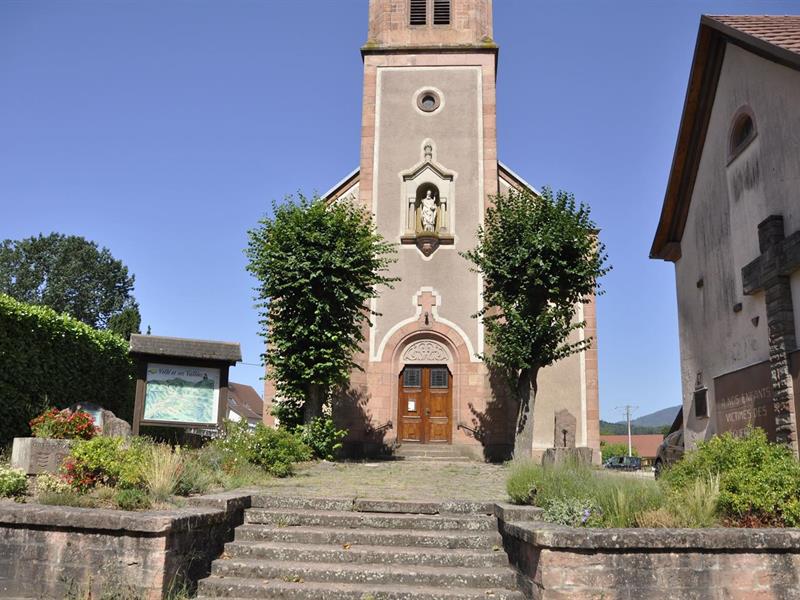
Romanswiller · 67
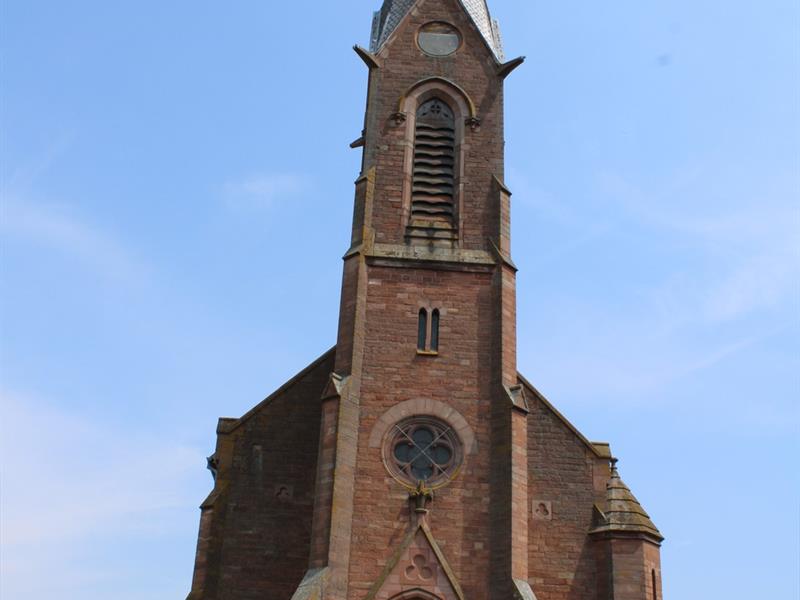
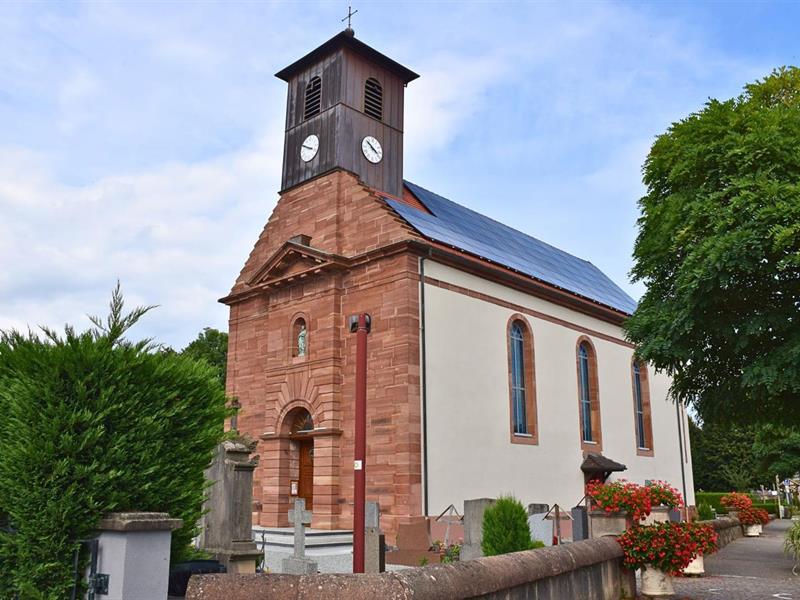
This neo-Gothic church, built between 1898 and 1899, features a single nave with five bays, a polygonal choir, and a facade bell tower. It also houses two sacristies and a Rinckenbach organ.
Discover this place
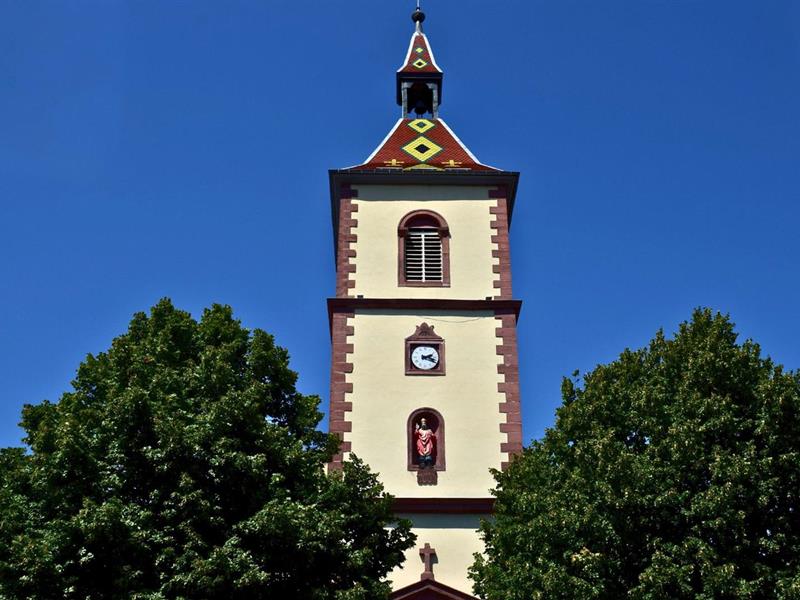
Dangolsheim · 67
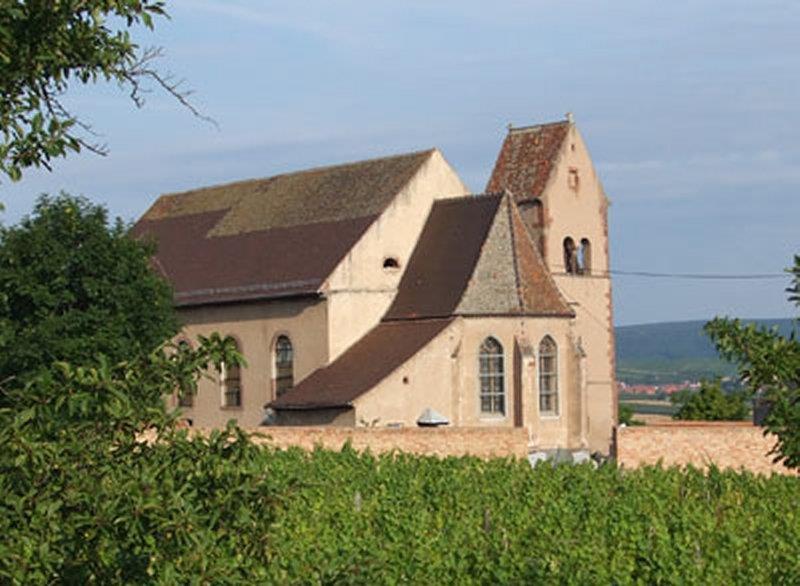
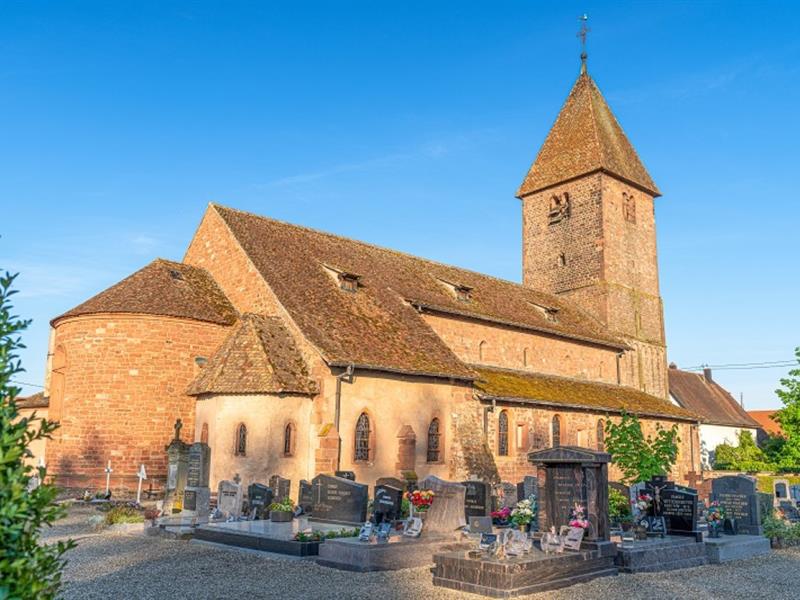
Saint Pancrace Church in Dangolsheim, dating from the 13th century, combines Romanesque and Gothic styles. Its Romanesque bell tower, Gothic choir, and fortified cemetery make it a place rich in history. It also features an 1848 organ and 1729 baptismal fonts.
Discover this place
Dangolsheim · 67
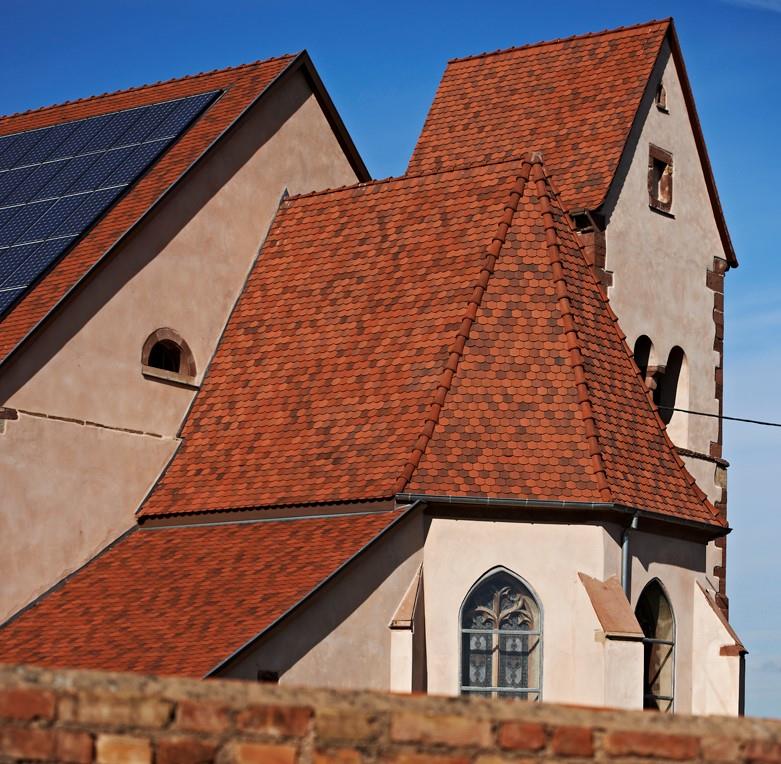
This church, altered over the centuries and dedicated to one of the Ice Saints, stands at the highest point of the village. It features a fortified cemetery, a Romanesque bell tower, a flamboyant Gothic choir, 1729 baptismal fonts, and an 1848 Stiehr organ.
Discover this place
Jetterswiller · 67
The church of Jetterswiller, built in the 18th century on the foundations of a Gothic building, features engraved dates (1749-1750) and stonemason marks. It consists of a single nave with three bays and a four-level choir tower topped with a cross.
Discover this place
Strasbourg · 67
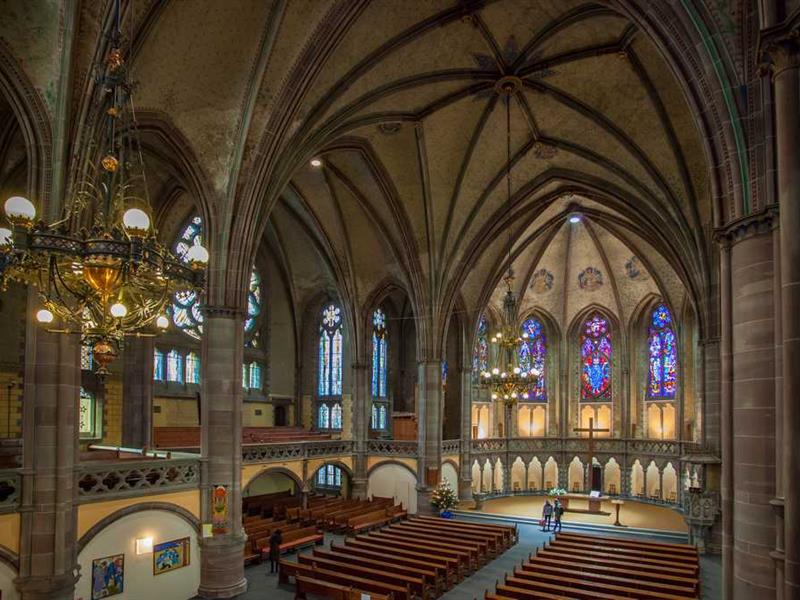
Saint Paul's Church, a neo-Gothic masterpiece in Strasbourg, towers over Sainte-Hélène Island with its two 76-meter spires. Built between 1892 and 1897 for the Protestant garrison, it symbolizes German power and connects the old town to the Neustadt.
Discover this place
Thann · 68
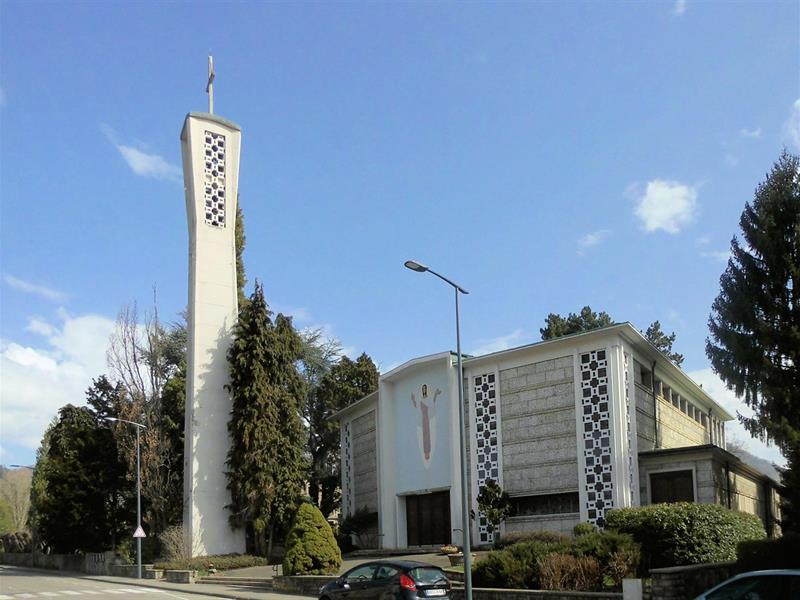
This church, built between 1958 and 1961 by Joseph Muller from Colmar, is made of reinforced concrete with an independent bell tower to the left of the entrance. Its bell comes from the collegiate church of Saint-Thiébaut.
Discover this place
Bassemberg · 67
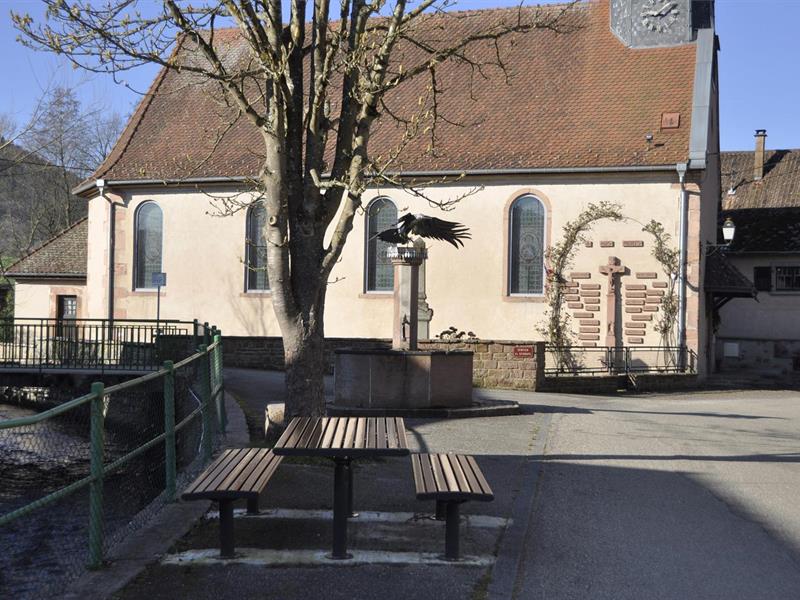
This chapel, rebuilt in 1751 and enlarged in 1877, is a simple rectangular building with an octagonal bell tower housing a clock and three bells dedicated to saints.
Discover this place
Marlenheim · 67
This 1825 church, designed by François Reiner, features a detached bell tower, a spacious nave, and a polygonal choir. It houses Renaissance baptismal fonts, a baroque pulpit, and a ceiling painting of the Assumption.
Discover this place
Wissembourg · 67
The Saint Ulrich Church in Altenstadt, near Wissembourg, is a gem of Romanesque art and the starting point of the Alsace Romanesque Route. Its nave, dating from the 11th century, is the oldest part of this historic monument.
Discover this place
Kirchberg · 68
This 13th-century church, dedicated to Saint Vincent, was likely a medieval place of worship. Independent since 1799, it was extensively remodeled in the 1960s. Its 1845 organ, restored in 1985, was crafted by Rinckenbach.
Discover this place
Soppe-le-Bas · 68
This neo-Gothic church, dedicated to Saint Vincent and built in 1772, was expanded in 1844 and renovated several times, notably in 2005-2006. Its 1841 organ, restored in 2005-2006, is a masterpiece by Valentin Rinckenbach.
Discover this place
Albé · 67
Saint Wendelin Church in Albé, built in 1752 on the ruins of a 14th-century building destroyed by fire in 1575, features a choir decorated with Sacred Heart motifs and an 18th-century Baroque altar. It houses a Stiehr organ modified in 1970, retaining its original case.
Discover this place
Preuschdorf · 67
Dominated by a church blending Romanesque and neoclassical styles, this mixed place of worship since 1685 is open for visits upon request.
Discover this place
Oberhaslach · 67
This 18th-century church, expanded in 1937, features a neoclassical facade. It houses a historic organ by Alexandre Roethinger, built in 1893 and modified by his son in 1952.
Discover this place
Munwiller · 68
The current church, with its 19th-century nave and choir, houses a Romanesque bell tower from the 11th century, still visible today.
Discover this place
Bourgheim · 67
This fortified church, built on the site of an ancient Roman fort, features a remarkable Romanesque choir bell tower. Its 1150 tympanum, symbolizing the tree of life, still adorns one of its facades.
Discover this place
Gertwiller · 67
This Romanesque church houses medieval frescoes from the 14th and 15th centuries, initially hidden under other paintings before being discovered after a fire in 1928 and then restored.
Discover this place
Valff · 67
This Romanesque church features a remarkable porch tower with a unique depiction of the Trinity as three legs. Its sculptures include the 'thorn-puller' symbol, an allegory of lust.
Discover this place
Breitenau · 67
The village parish church, dedicated to Saint Dié, dates from 1868 and is located in the center, near the town hall and the war memorial.
Discover this place
Lauw · 68
The church of Lauw, built between 1868 and 1870 by Father Adam, is notable for its Franc-Comtois roof with colorful patterns. It became communal property in 1987, was restored after the world wars, and received new bells in 2002.
Discover this place