Molsheim · 67
Remarkable historic buildings
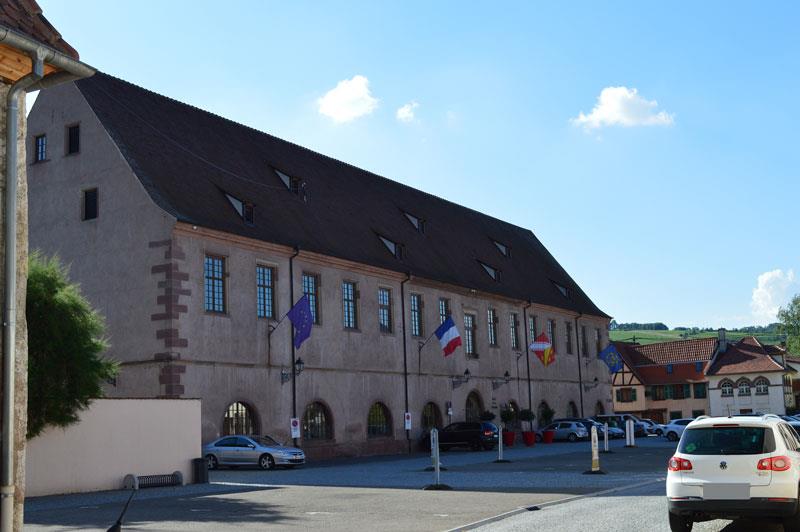
Hôtel de la Monnaie
The Hôtel de la Monnaie, a former 16th-century mint workshop in Molsheim, now hosts cultural events. Situated on the Alsace Wine Route, it is 20 km from Strasbourg.
Discover this place idées.outings in Alsace
188 places
Molsheim · 67
The Hôtel de la Monnaie, a former 16th-century mint workshop in Molsheim, now hosts cultural events. Situated on the Alsace Wine Route, it is 20 km from Strasbourg.
Discover this place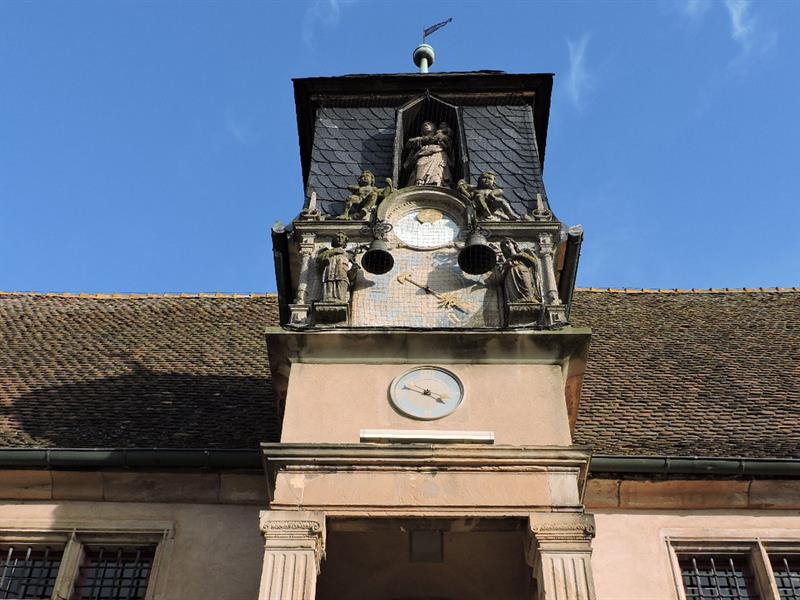
Molsheim · 67
The Metzig of Molsheim, built after 1583, is a Renaissance gem housing a jacquemart clock from 1607. Its dials show hours, quarter hours, and moon phases, while two automata still strike the hour.
Discover this place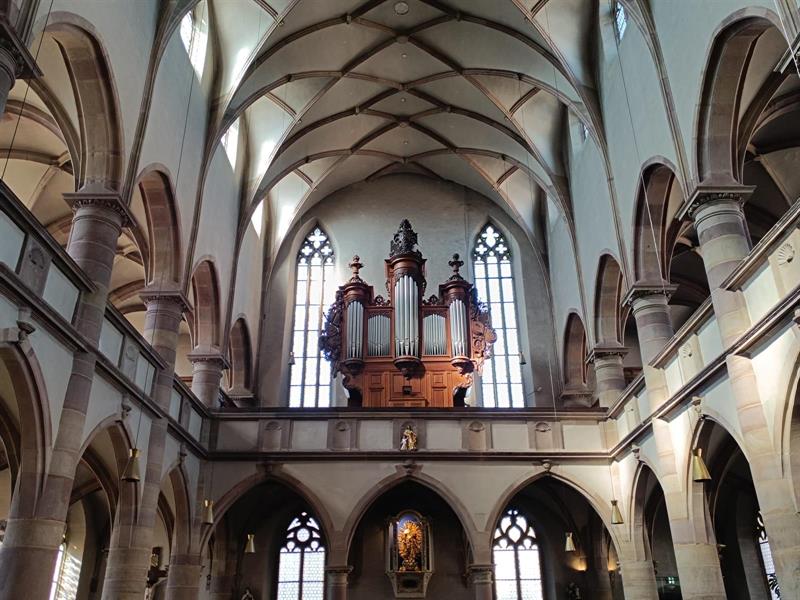
Molsheim · 67
The organ of the Jesuit Church in Molsheim, built by Silbermann in 1781, has 22 stops and a unique echo keyboard in Alsace. Its case, decorated with musical instruments and a finial representing Molsheim's wheel, is a masterpiece classified as a historic monument.
Discover this place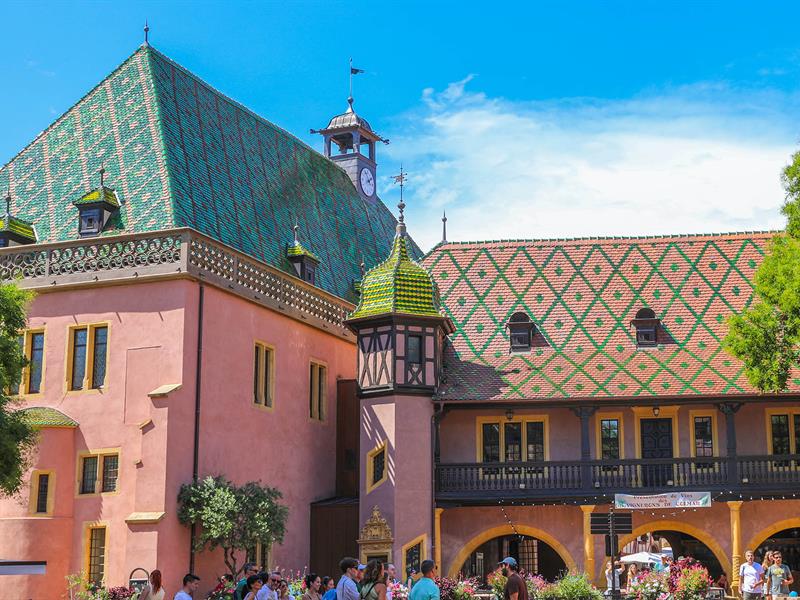
Colmar · 68
Located at the junction of Grand’rue and rue des Marchands, the Koïfhus, or Old Customs House, is the oldest local public building. Built between 1433 and 1480, it served as a warehouse and taxation site before hosting meetings of the Décapole and the Magistrate.
Discover this place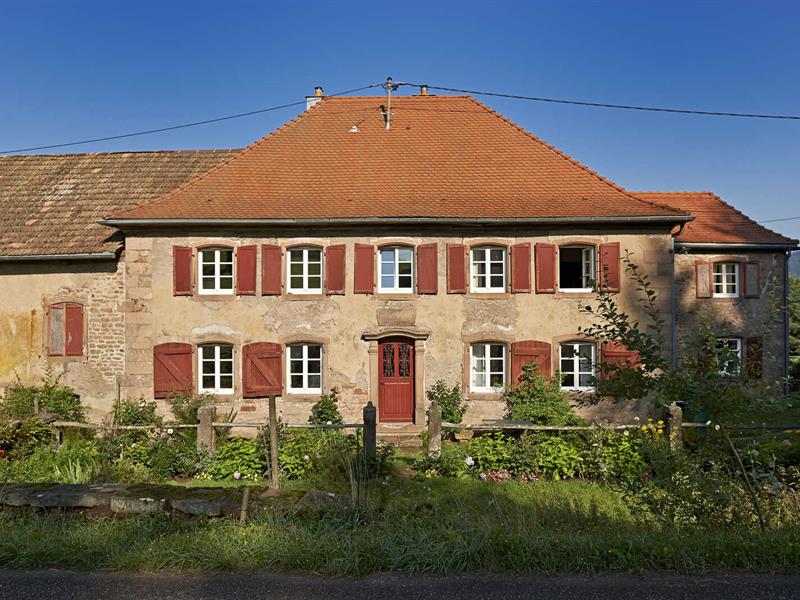
La Broque · 67
This pink sandstone farm from 1791, formerly owned by Mennonites including Jacob Kupferschmitt, is known for securing an exemption from armed service for his co-religionists in 1793. It is only visible from the outside and remains private property.
Discover this place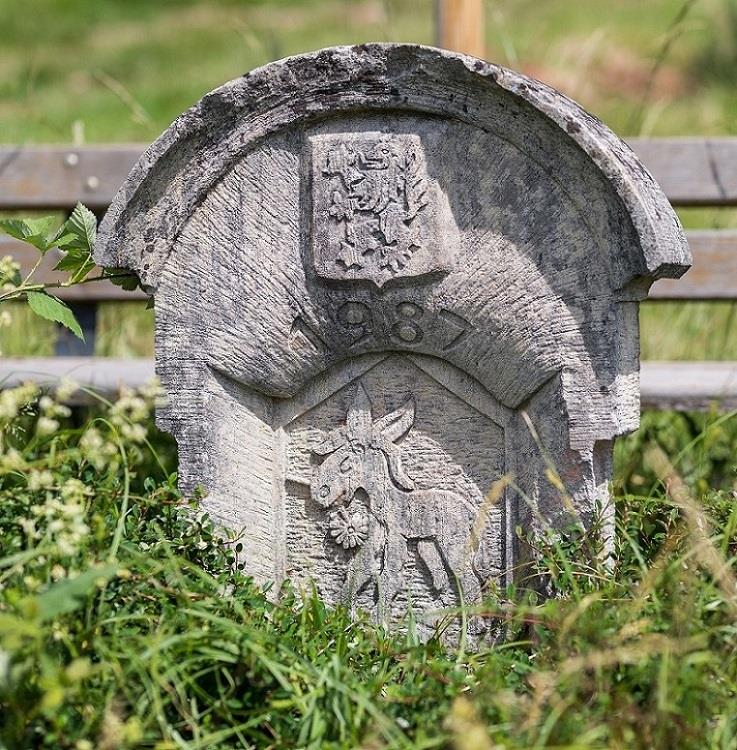
Dingsheim · 67
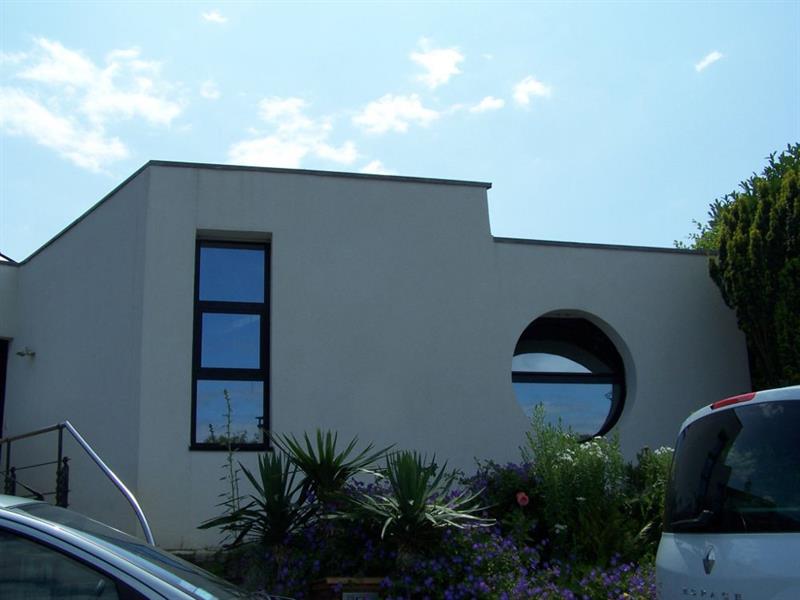
Between 1968 and 1972, Dingsheim saw its first housing development inspired by Le Corbusier. Architect Présenté designed 83 houses, some with roof terraces or central patios, arranged around a shared lawn.
Discover this place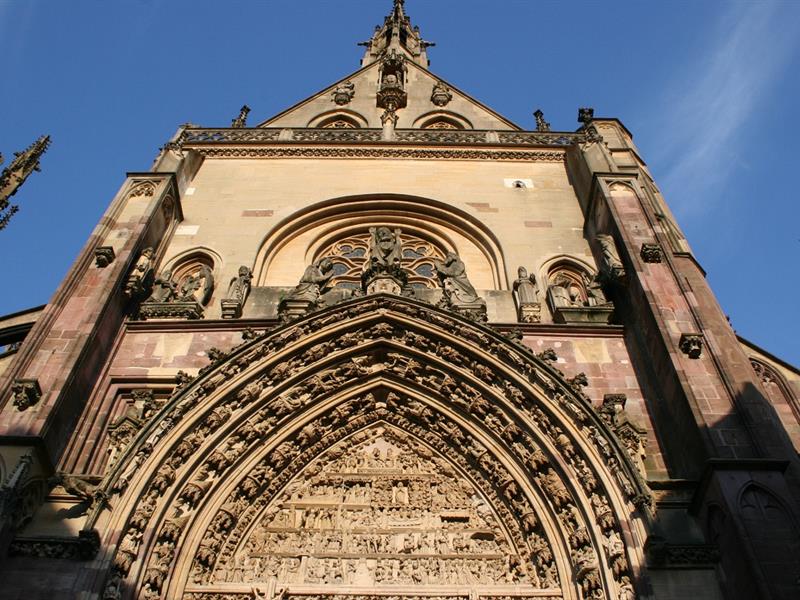
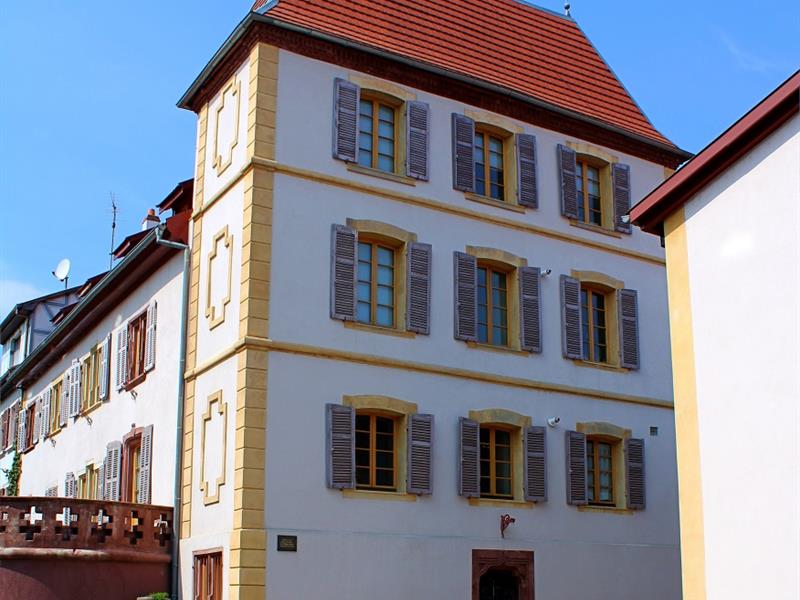
Cernay · 68
This historic building, constructed in 1619, was the residence of the city bailiffs. Louis XIV stayed here on the night of June 22-23, 1683, during a military inspection tour in Alsace.
Discover this place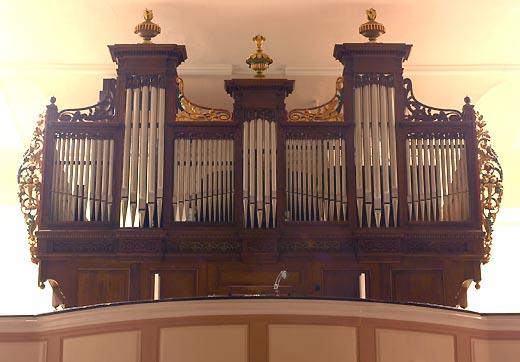
Duttlenheim · 67
The organ of Saint-Louis church, attributed to Michel Stiehr (1817), was extensively modified by Koulen (1882), Kriess (1920), and the Steinmetz brothers (1983). Its oak case, with four flat fronts and three turrets, partly dates from 1920.
Discover this place
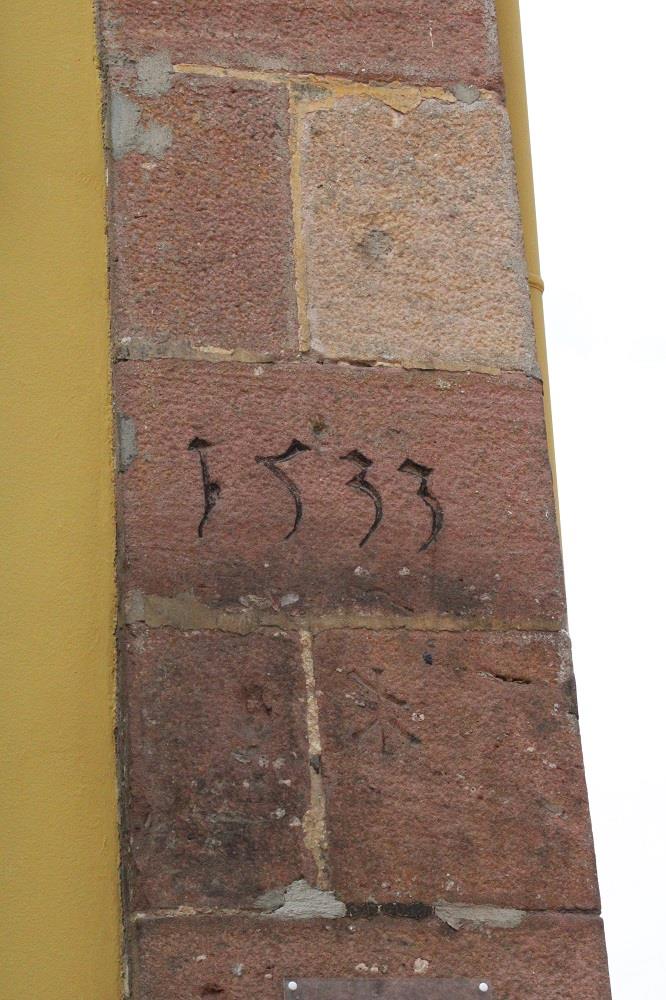
Thann · 68
Thann gained the right to mint silver coins in 1387. The city used its own emblem, visible on the facade of a building dated 1533, before extending it to the entire Holy Roman Empire. A replica of the Pilgerthaler, a famous local coin, is displayed at the Tourist Office.
Discover this place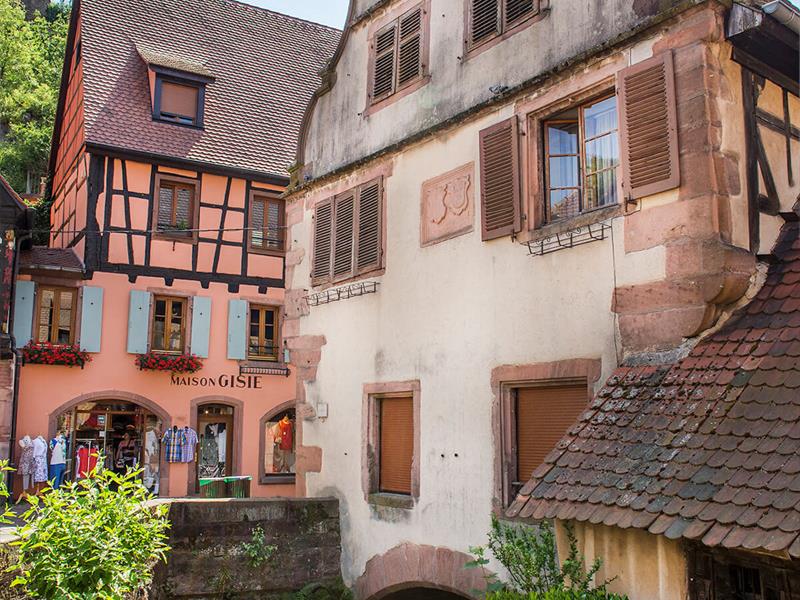
Kaysersberg Vignoble · 68
Old public butcher shop rebuilt in 1616, this sandstone and timber-framed trading place overlooked the mill canal. The slaughterhouse was once in the house at the corner of the fortified bridge and Bains Street.
Discover this place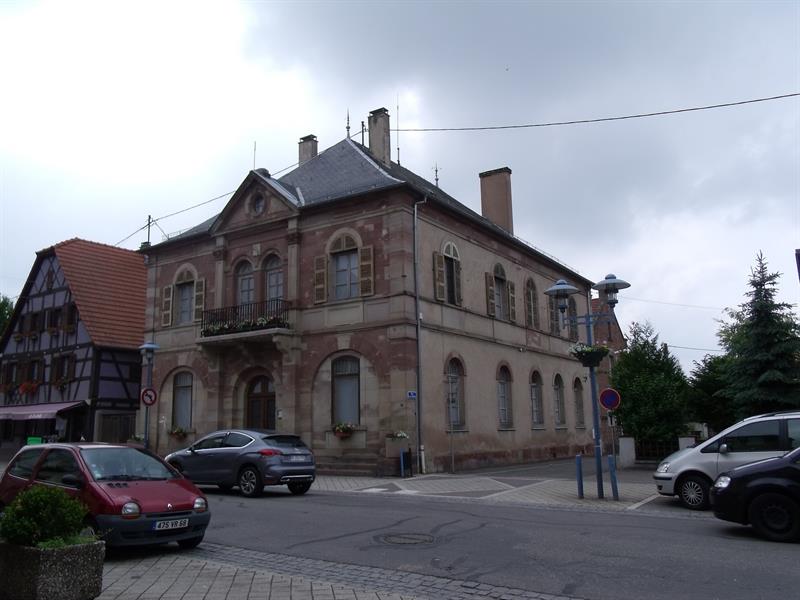
Marckolsheim · 67
The Marckolsheim cantonal court is housed in a 19th-century stone building. It contains the justice of the peace's office and courtroom, formerly located in the Town Hall. At the back is the old prison from the same era.
Discover this place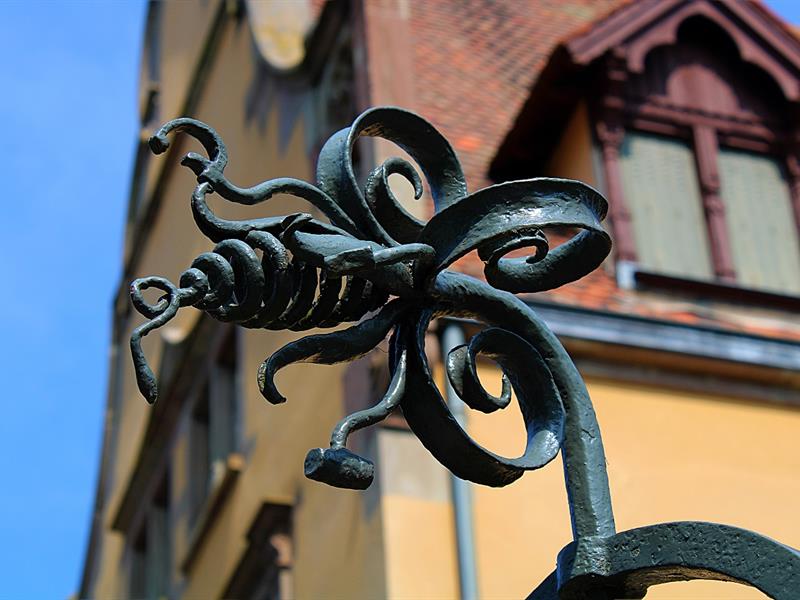
Cernay · 68
This neo-Renaissance building, constructed around 1900, features wrought iron grilles symbolizing local trades. Its cellars housed an auxiliary hospital during the winter of 1944-1945.
Discover this place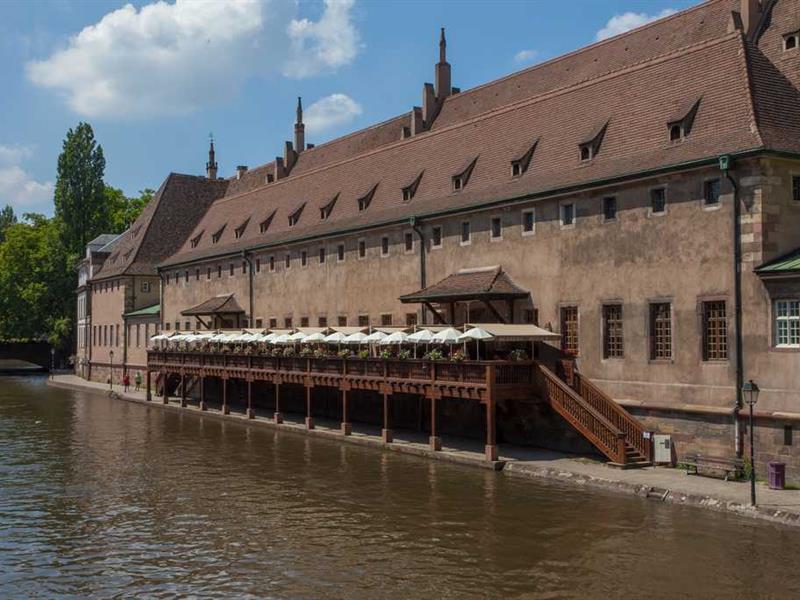
Strasbourg · 67
Strasbourg, a major trading hub since the 12th century due to its waterways, houses a medieval warehouse built in 1358 to tax goods. Destroyed in 1944, it was rebuilt in the 1960s, restoring its original appearance.
Discover this place
Haguenau · 67
Built in 1518 on the former Moder River, this customs house controlled goods. Its 19th-century sundial, a "Golden Barrel" sign, and flood marks recall its history. Today, it hosts events.
Discover this place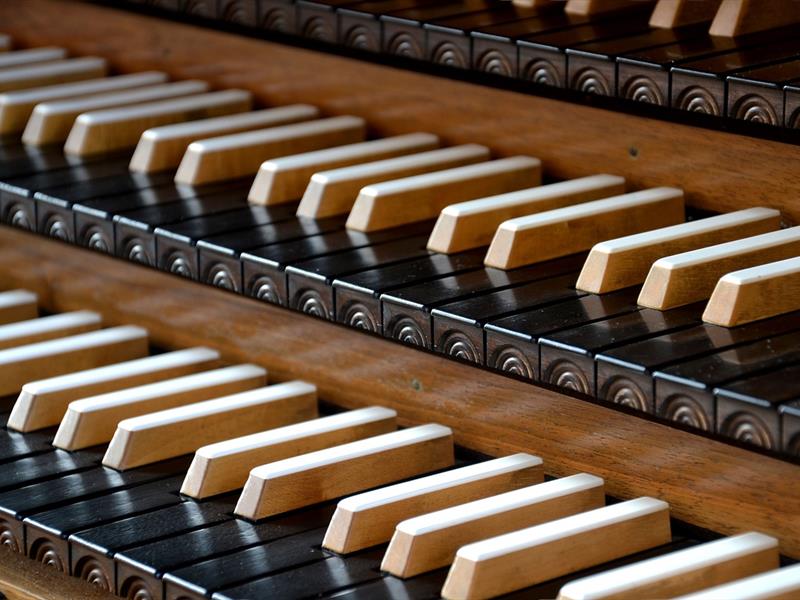
Niederhaslach · 67
The organ of St-Florent Collegiate Church, built in 1903 by Martin and Joseph Rinckenbach, has two parts: the grand organ on the right and the choir organ on the left. Several instruments preceded it, including one destroyed in 1633 by the Swedes.
Discover this place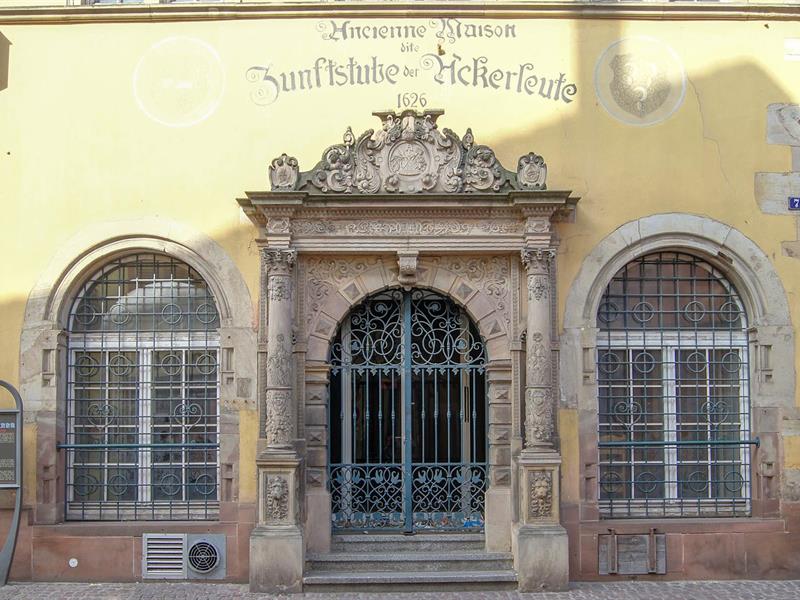
Colmar · 68
This building, rebuilt in 1626 by the Corporation of Labourers in a late Renaissance style, was used as a synagogue by the Jewish community of Colmar until 1842.
Discover this place
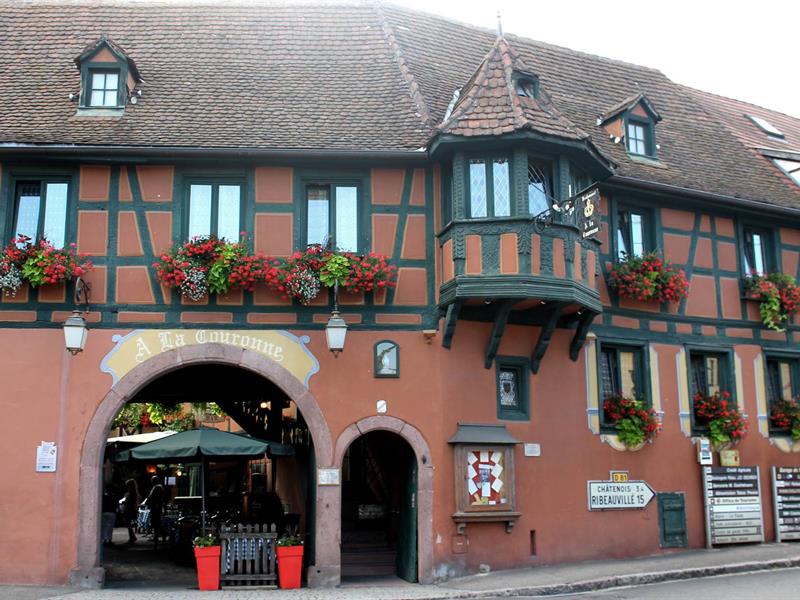
Scherwiller · 67
Former 18th-century cooper's farmhouse turned restaurant, featuring a listed watchtower and carved emblems. Only visible from the outside.
Discover this place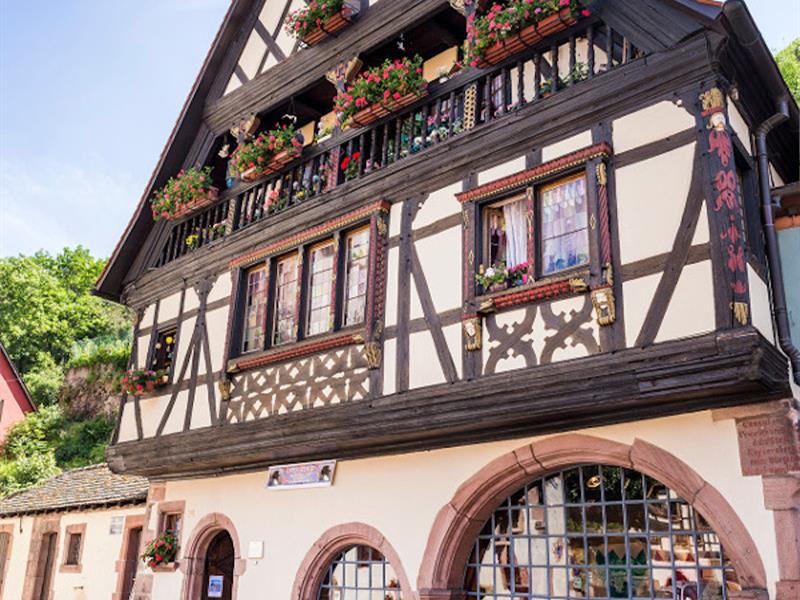
Kaysersberg Vignoble · 68
This 15th-century Alsatian house, once home to a blacksmith, features a German inscription on its window. Acquired by the city in 1907, it housed a museum for 65 years after restoration.
Discover this place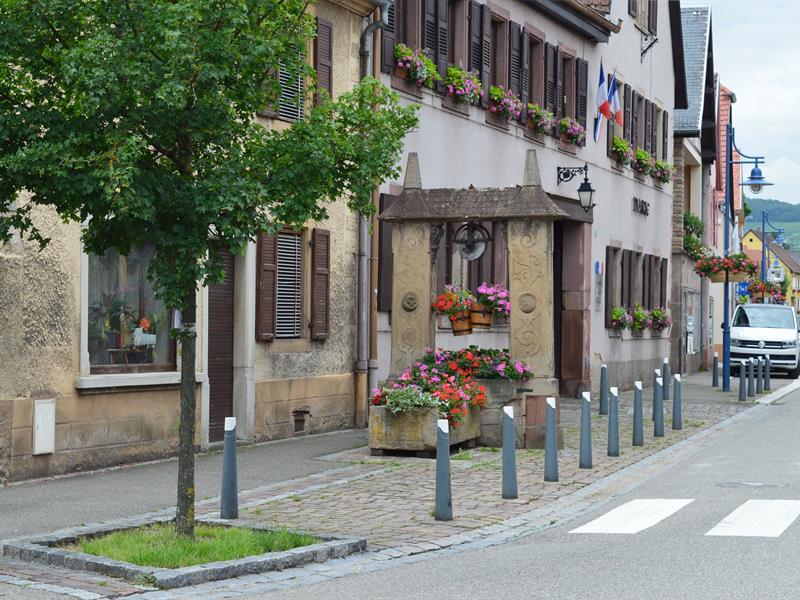
Dorlisheim · 67
This Renaissance well, erected in 1605 in the village square, is distinguished by its lintel resting on two rectangular uprights decorated with period motifs.
Discover this place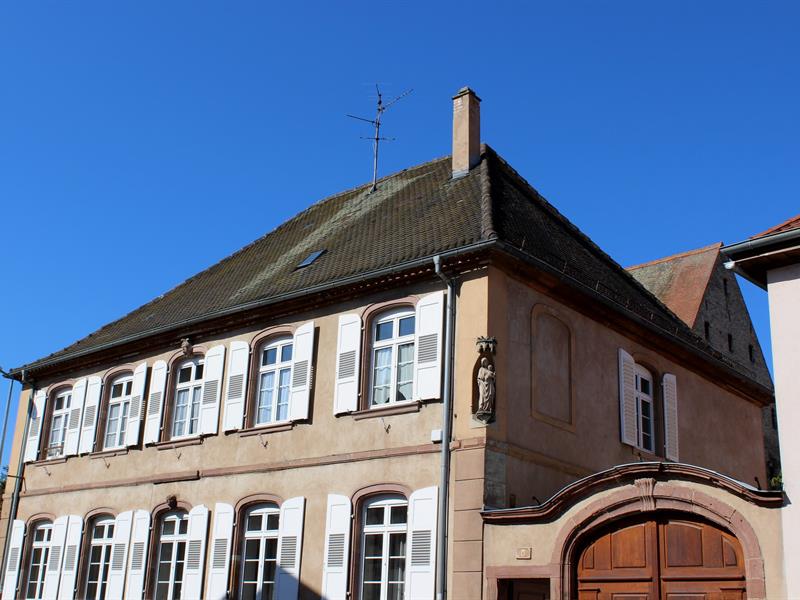
Haguenau · 67
The presbytery of Saint George parish, built in 1754, is notable for its sculptures: a child's head on the ground floor, a helmeted man on the upper floor, and a neo-Gothic statue of the Virgin and Child in a corner niche.
Discover this place