Ensisheim · 68
Saint Martin Cemetery Chapel
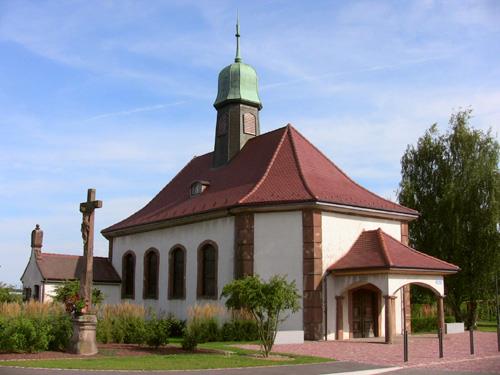
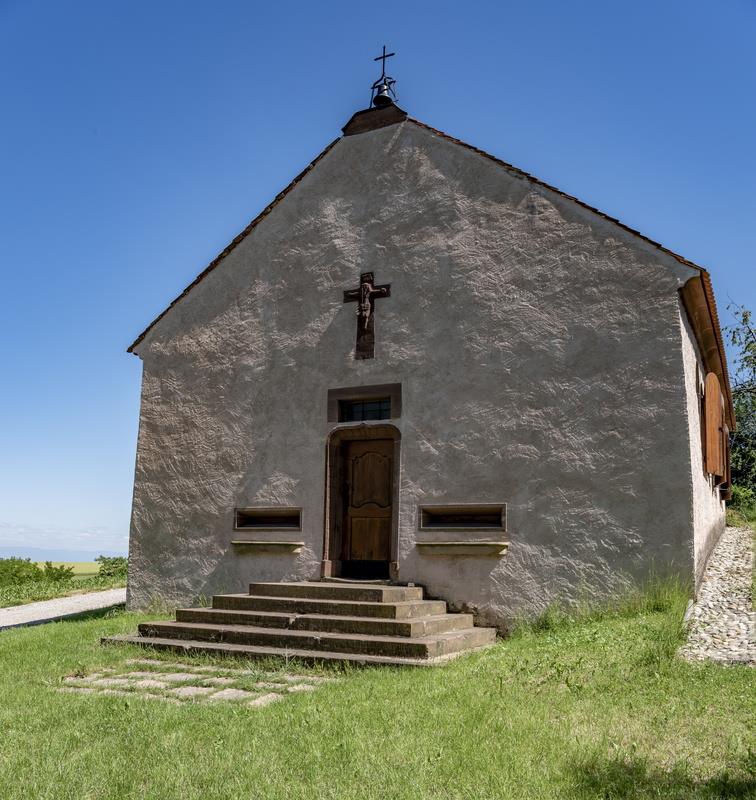
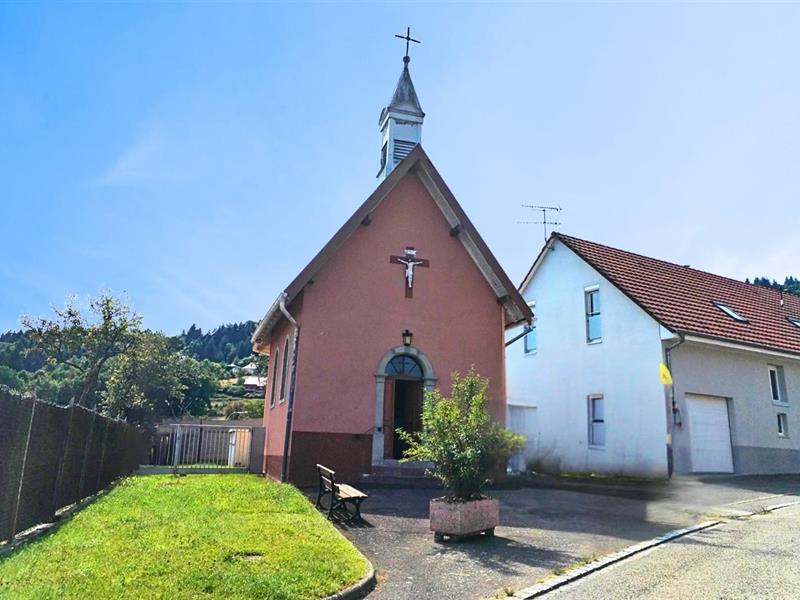
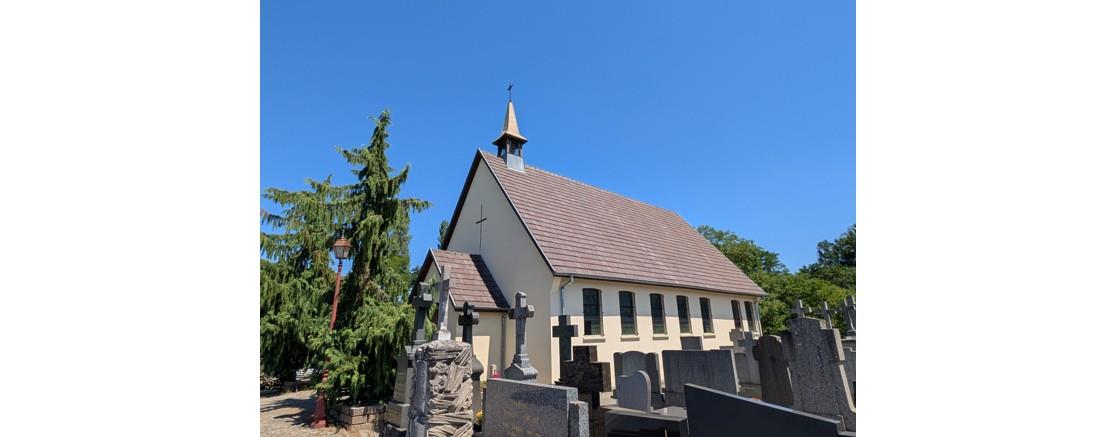
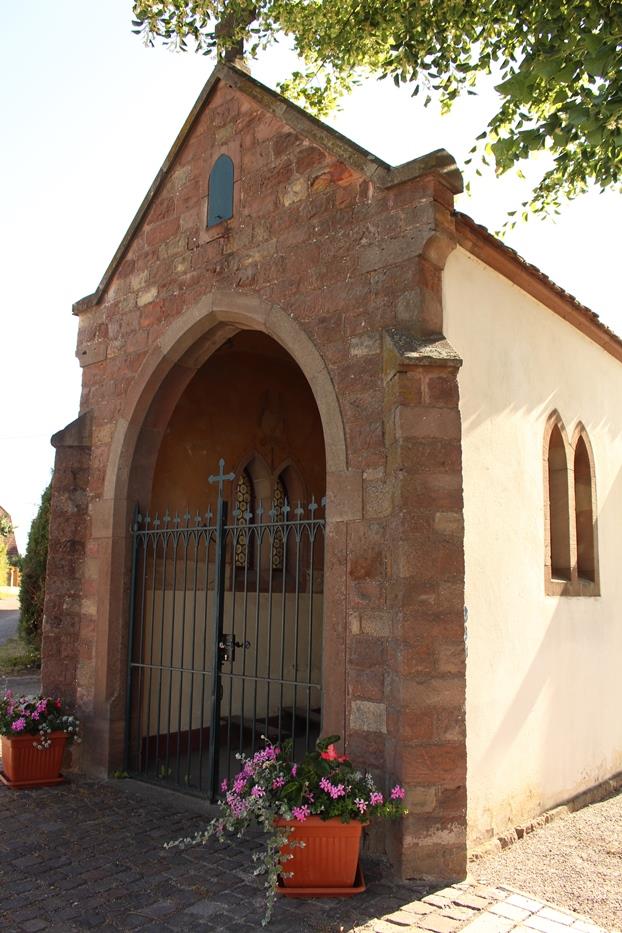
This 16th-century chapel, rebuilt in 1957 after bombings, is located in the Ensisheim cemetery. It features a single nave, an open bell tower, and is accessible from two streets.
Discover this place115 places
Ensisheim · 68
This 16th-century chapel, rebuilt in 1957 after bombings, is located in the Ensisheim cemetery. It features a single nave, an open bell tower, and is accessible from two streets.
Discover this place
Odratzheim · 67
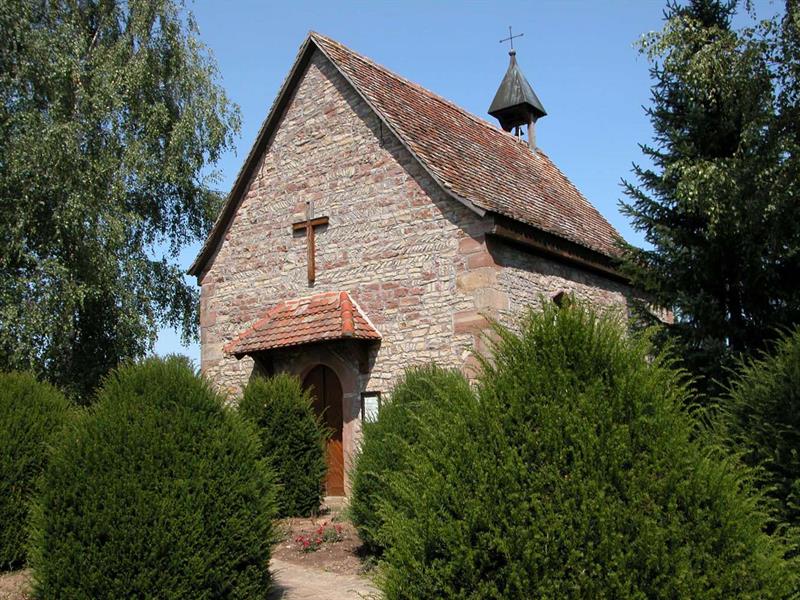
This neo-Gothic sandstone building, built in 1895, features a rib-vaulted nave with an ancient cross and a five-sided chancel housing a Virgin Mary statue surrounded by saints.
Discover this place
Ergersheim · 67
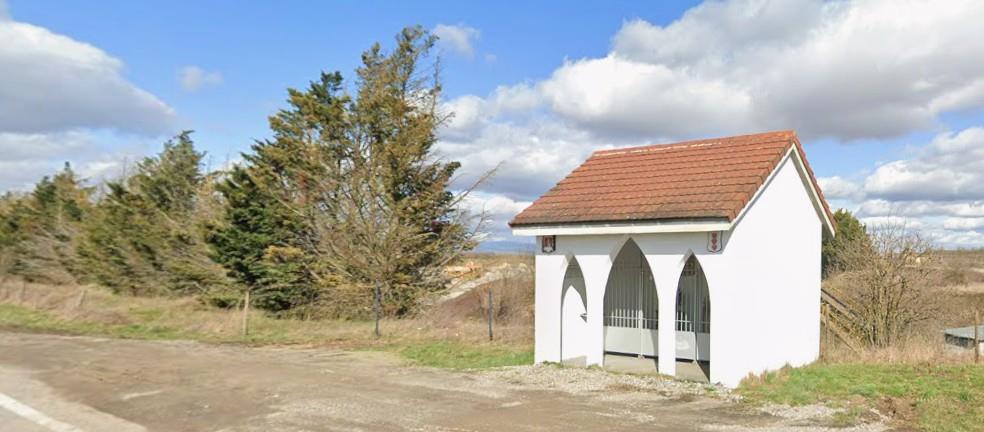
The Rimlen Chapel, the sole remnant of a vanished hamlet in Ergersheim, dates from the 12th century and is linked to the Saint-Michel Abbey of Honau. A mass is held here every September 29 in memory of the former residents.
Discover this place
Steinbach · 68
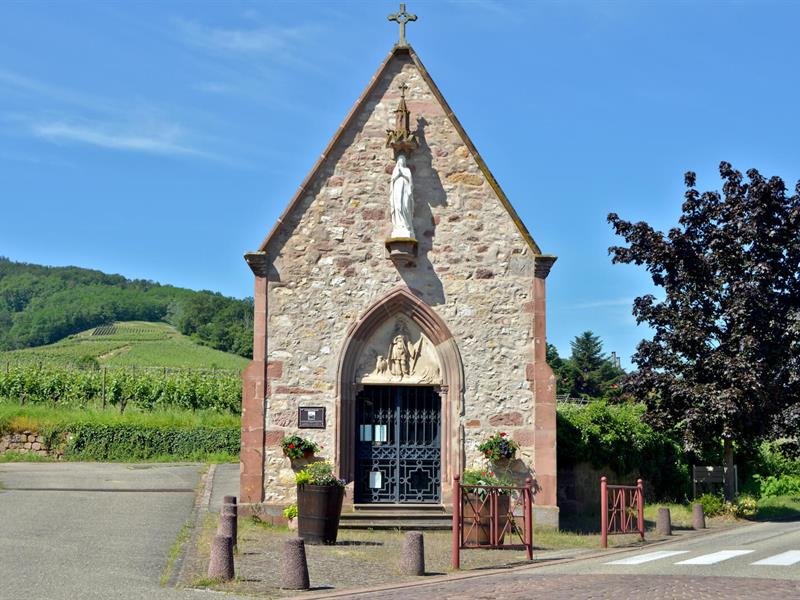
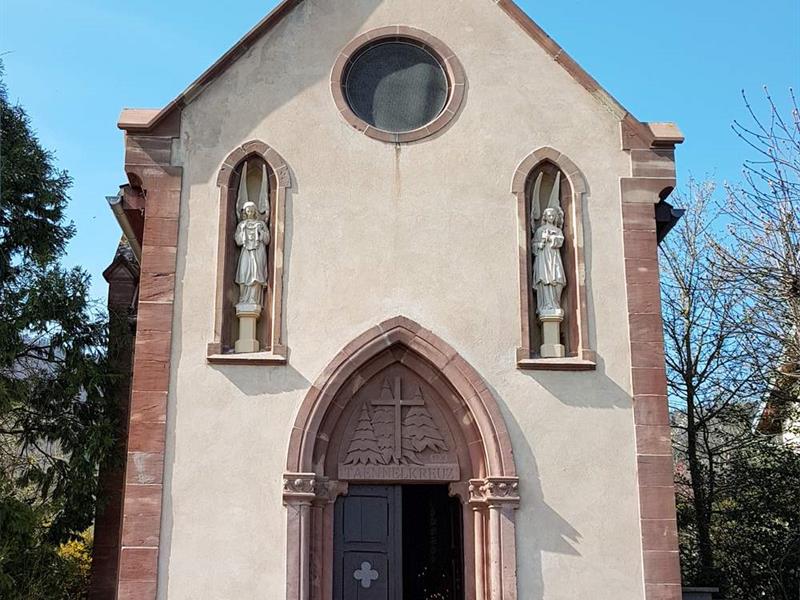
This 1930 chapel, dedicated to Saint Morand, patron of winemakers, stands on a plateau marked by the Great War. Nicknamed the "chapel of the Loh" ("the flame" in German), it faces east, towards the rising sun.
Discover this place
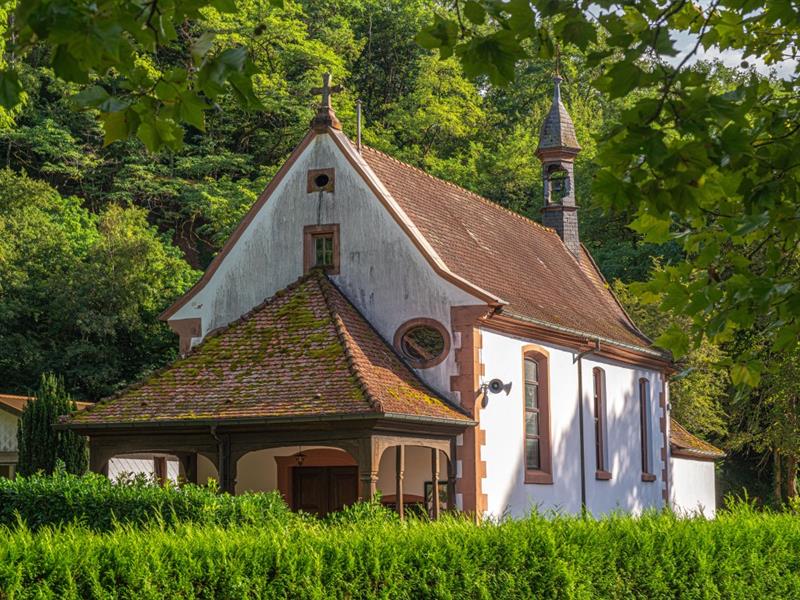
Fréland · 68
Built in 1896 on the Rocher du Corbeau in Fréland, this neo-Gothic chapel has housed a religious arts museum since 1986. A second nearby chapel now serves as a storage for firefighting equipment.
Discover this place
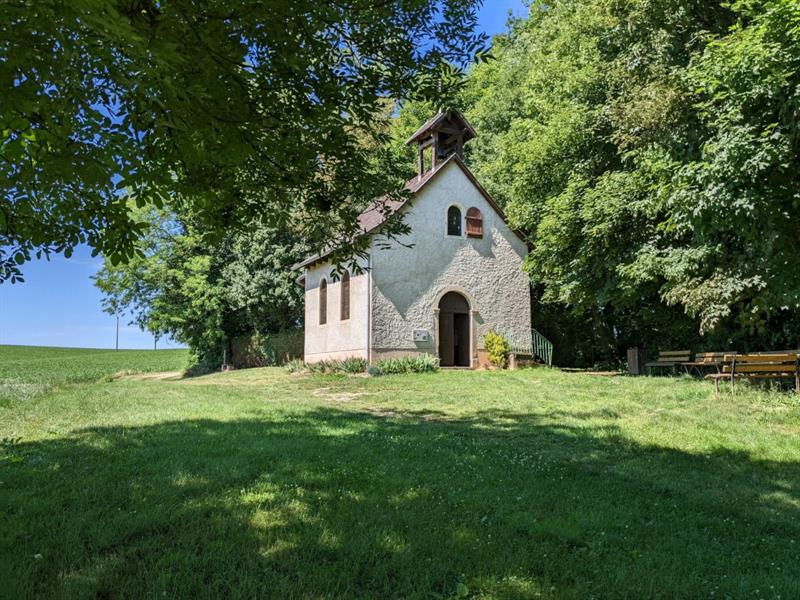
Avolsheim · 67
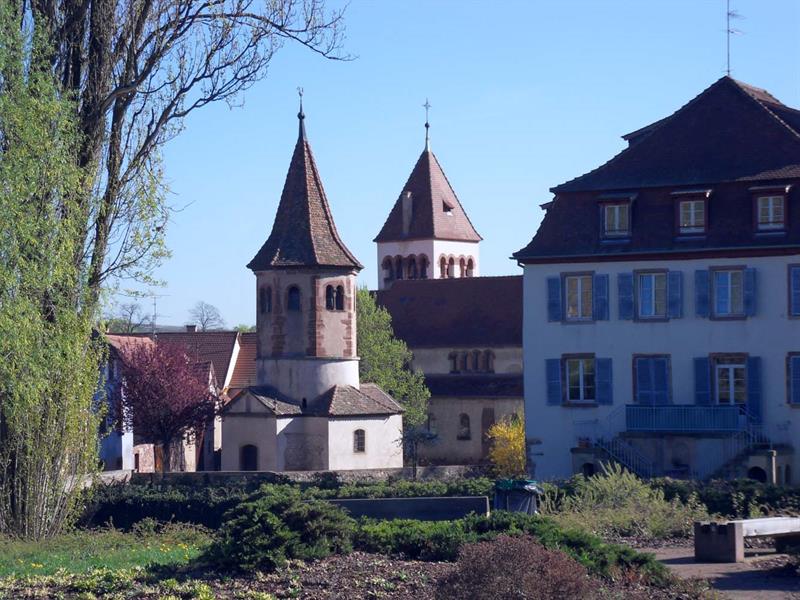
The Saint-Ulrich chapel, the oldest Carolingian sanctuary still standing in Alsace, stands in Avolsheim near the wine route. Dating from the 9th century, it houses medieval frescoes and a dome decorated with a depiction of the Trinity.
Discover this place
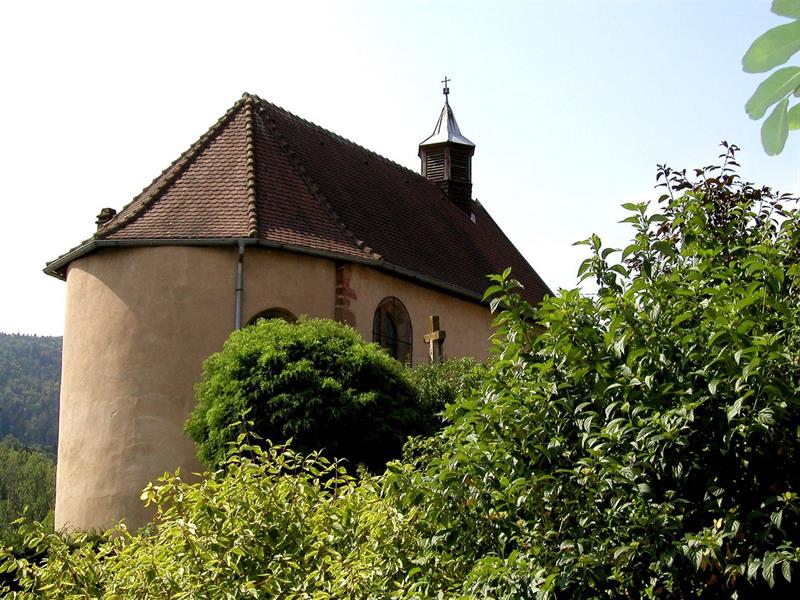
Burnhaupt-le-Bas · 68
This chapel, rebuilt after the First World War as a smaller version of the 15th-century building, is a famous pilgrimage site. It houses relics of Saint Theodore and a Baroque cross from 1783.
Discover this place
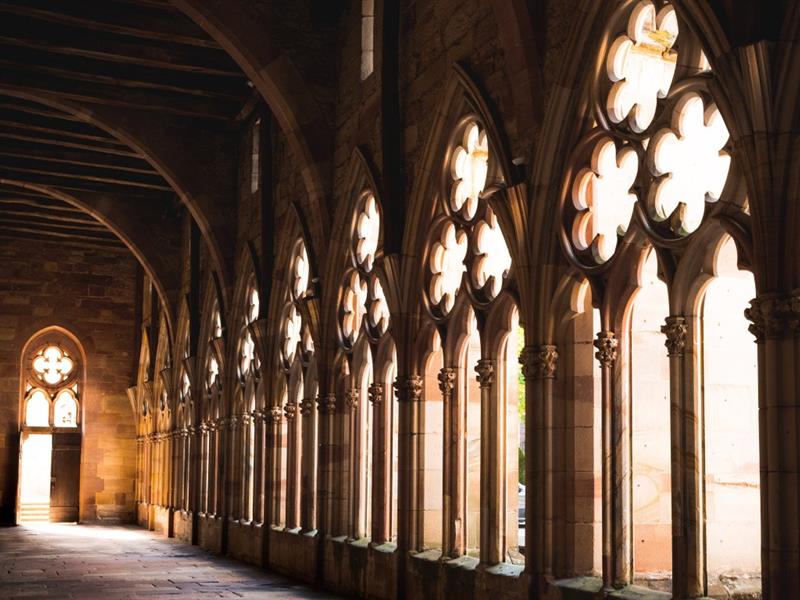
Masevaux-Niederbruck · 68
Niederbruck, part of the Masevaux parish, has a chapel dedicated to Saint Wendelin. Built in 1913 to replace the original from 1737, it houses a Guerrier organ installed in 1983 and an 18th-century statue of the saint.
Discover this place
Ammerschwihr · 68
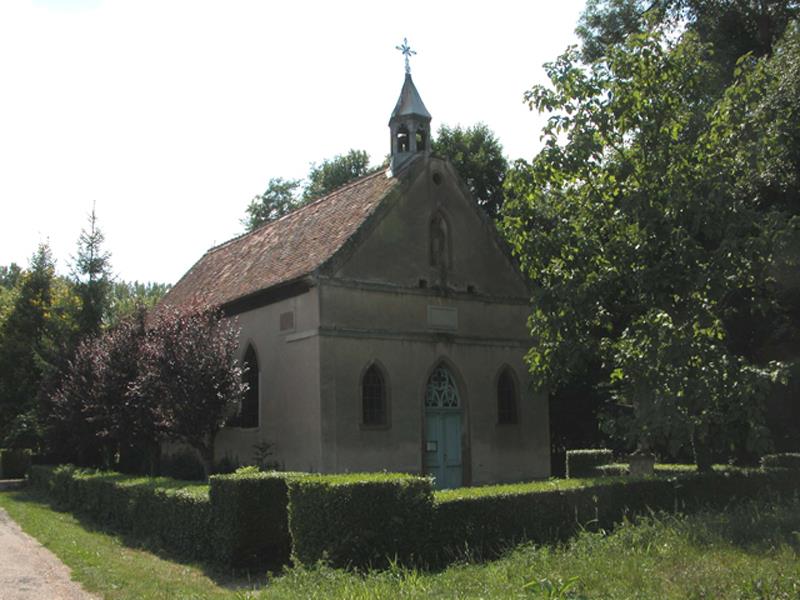
19th-century neo-Gothic chapel dedicated to Saint Wendelin, former abbot of Tholey, featuring a single nave, a rose window, and a statue of the Virgin under a canopy, located on the golf course route.
Discover this place
Hohengœft · 67
The Saint Wendelin Chapel, built in 1772, commemorates the village's protection from the plague. Each year, a pilgrimage is held there on Whit Monday. From the Gœftberg, you can see the Nordheim antenna (130 m) and, in June, wild orchids.
Discover this place
Wolxheim · 67
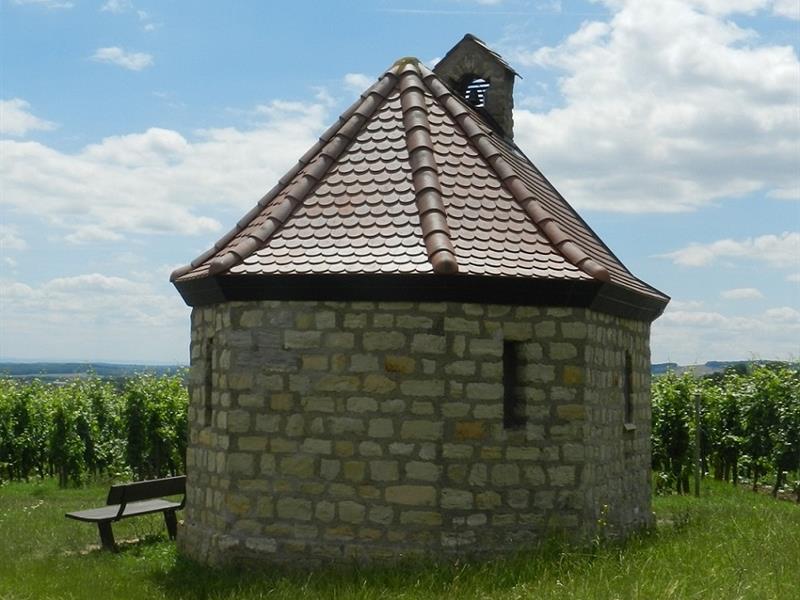
This chapel, linked to the legend of blacksmith Conrad Giesselbrecht and first mentioned in 1512, underwent several reconstructions before being sold as national property during the Revolution. Restored in 1808, replaced in 1861, and partially destroyed by fire in 1979. Not open to the public.
Discover this place
Mutzig · 67
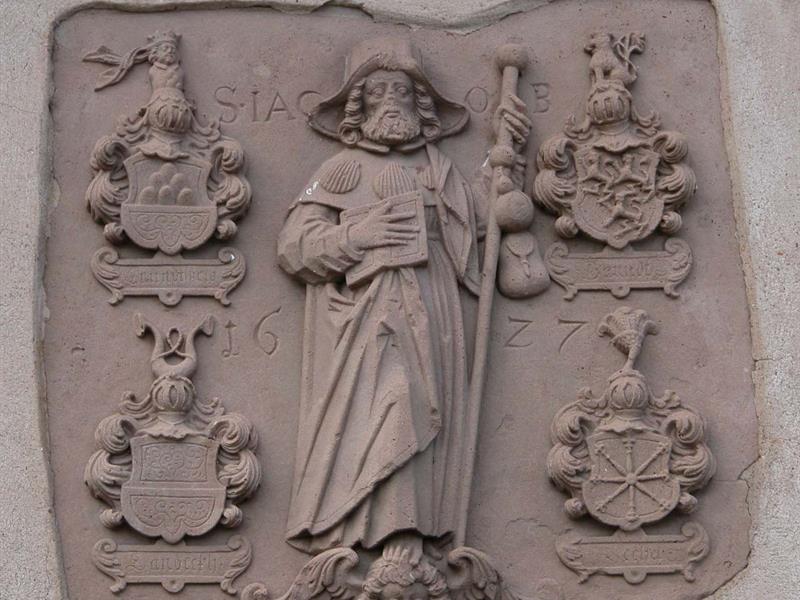
Saint-Jacques Chapel in Mutzig on the Alsace Wine Route marks the site of the vanished village of Wege, destroyed in 1444. Built in 1626 and dedicated to James the Greater, it is closed to the public and visible only from outside.
Discover this place
Masevaux-Niederbruck · 68
Saint-Michel Chapel of Stoecken, built in 1903, houses a 15th-century polychrome wooden statue of the Sorrowful Virgin from the Saint-Léger Abbey Church of Masevaux. It is part of the "In the Footsteps of Mary" tourist route.
Discover this place
Altkirch · 68
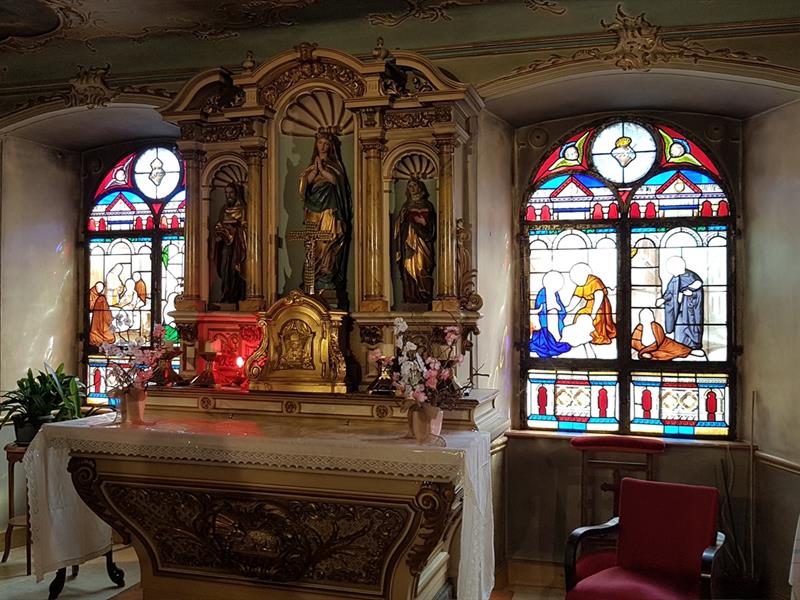
On the first floor of Altkirch hospital, the Saint-Morand chapel oratory houses Baroque paintings by Giuseppe Appiani and stained glass windows depicting religious scenes, including the saint's death in 1115.
Discover this place
Thann · 68
Saint-Urbain Chapel, built in the 15th century and restored in 1774, survived the Revolution and was rebuilt in 1933. Perched on the volcanic Rangen terroir in Alsace, it overlooks Riesling, Pinot Gris, and Gewurztraminer vineyards protected by its history.
Discover this place
Fessenheim-le-Bas · 67
The Sainte Marguerite Chapel of Himmolsheim, a 12th-century Romanesque building, is a preserved medieval rural parish church. Accessible only by appointment or during events, it is located near Fessenheim-le-Bas.
Discover this place
Kuttolsheim · 67
Sainte-Barbe Chapel, a firefighters' pilgrimage site, blends medieval and Renaissance architecture. Its Romanesque choir and 18th-century nave house a local legend. A thermal spring, used since Antiquity for healing, feeds a sulfurous lake once used for therapeutic baths and horse washing.
Discover this place
Scherwiller · 67
The Sainte-Odile Chapel, rebuilt in the Middle Ages on a 12th-century site, is a pilgrimage site dedicated to the patron saint of Alsace. It houses a relic of Saint Odile and artworks, including a painting by Carola Sorg.
Discover this place
Réguisheim · 68
Sermensheim, a vanished Alsatian village, was likely hit by the Black Death around 1348. Its territory was merged with Réguisheim. A commemorative chapel, built in 1871, was relocated in 2004 during roadworks.
Discover this place
Scherwiller · 67
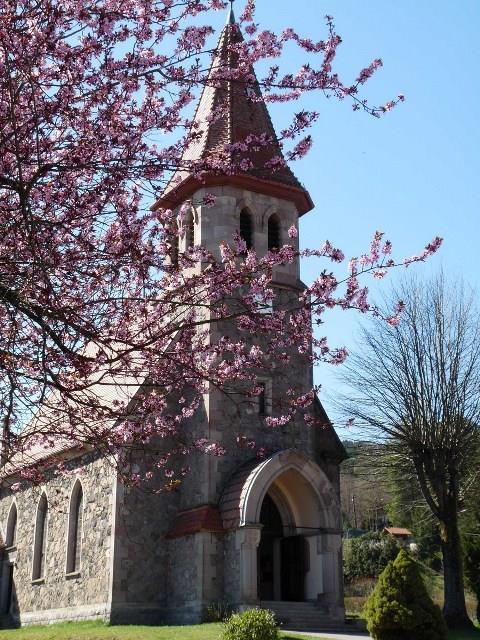
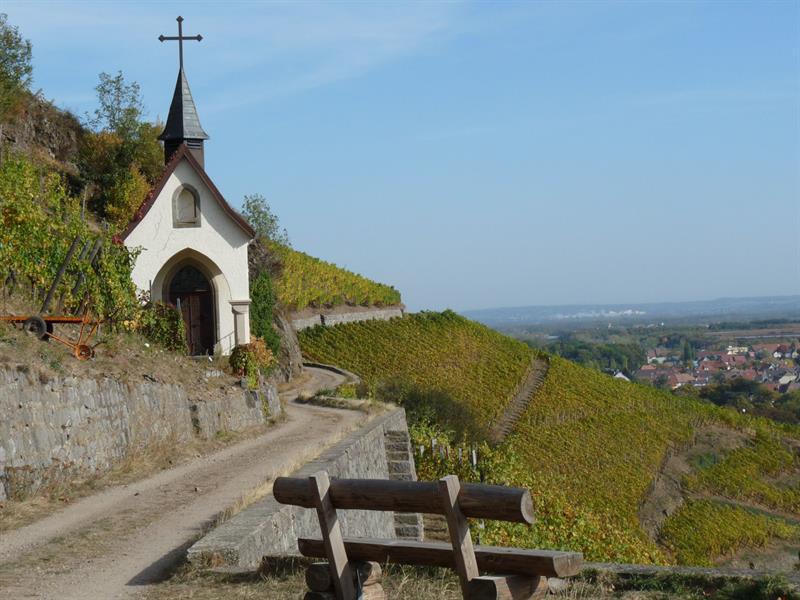
This neo-Gothic chapel, built in 1905 on an old pilgrimage site, offers stunning views of the vineyard and plain. Dedicated to the Holy Cross, it is accessible via a vineyard trail or a hike to Ortenbourg Castle.
Discover this place
Wissembourg · 67
This chapel, a symbol of peace and reconciliation, hosts annual pilgrimages and celebrations, including Pax Christi in May and religious festivals in August. Restored in 1803, it houses a 15th-century wooden Pietà.
Discover this place
Aspach · 68
Built in 1862, this chapel commemorates a former leper colony where patients, rejected and condemned to a slow death, found refuge.
Discover this place
Mollkirch · 67
The Laubenheim chapel, nicknamed Kloesterlé, was rebuilt in 1720 while preserving its original Romanesque-style door. Inside, the main altar, dated 1717, is located against the choir wall.
Discover this place
Wissembourg · 67
This simple chapel, a Romanesque relic probably built in the 11th century, is only open to visitors by reservation.
Discover this place