Albé · 67
Remarkable historic buildings
Guardhouse
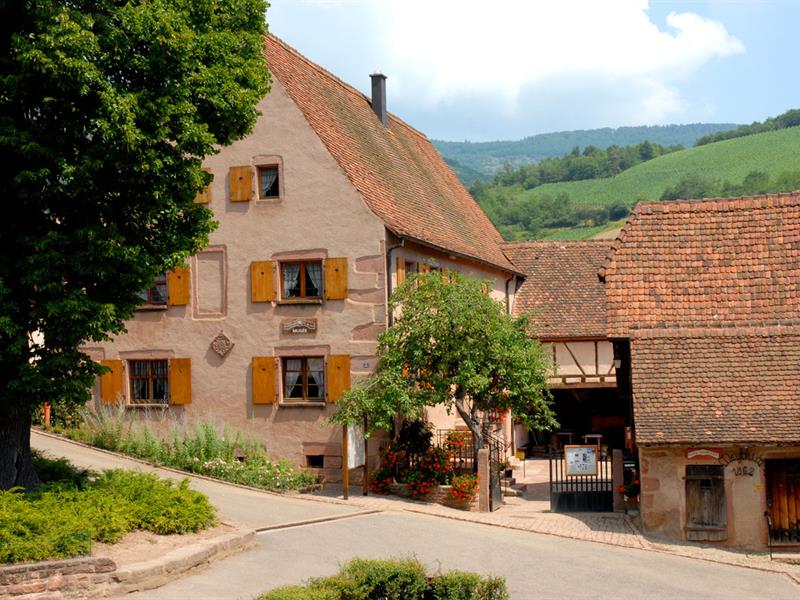
This modest building, a former municipal police station, once housed the night watchman and served as a jail. The old door is still visible.
Discover this place idées.outings in Alsace
527 places
Albé · 67
This modest building, a former municipal police station, once housed the night watchman and served as a jail. The old door is still visible.
Discover this place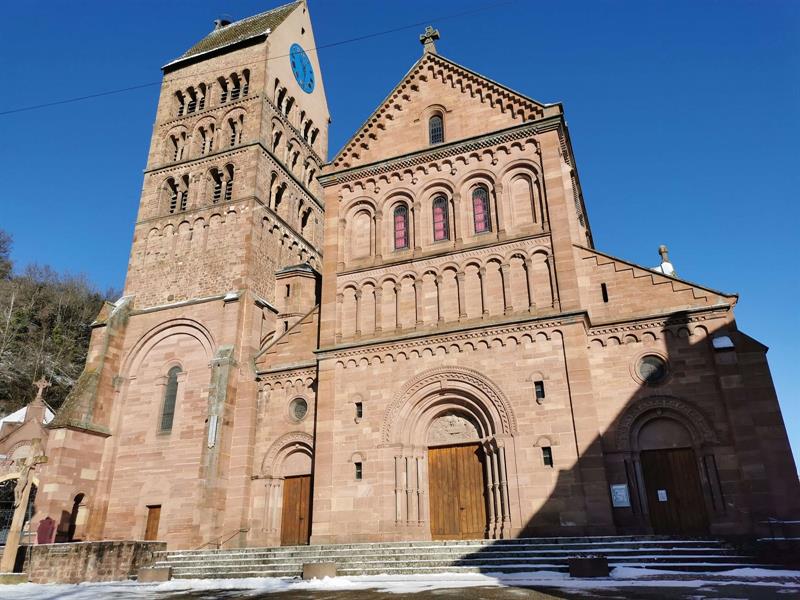
Gueberschwihr · 68
Gueberschwihr, a medieval village classified as a historic site since 1970, charms with its half-timbered houses, 12th-century Romanesque bell tower, and vineyards along the Alsace Wine Route.
Discover this place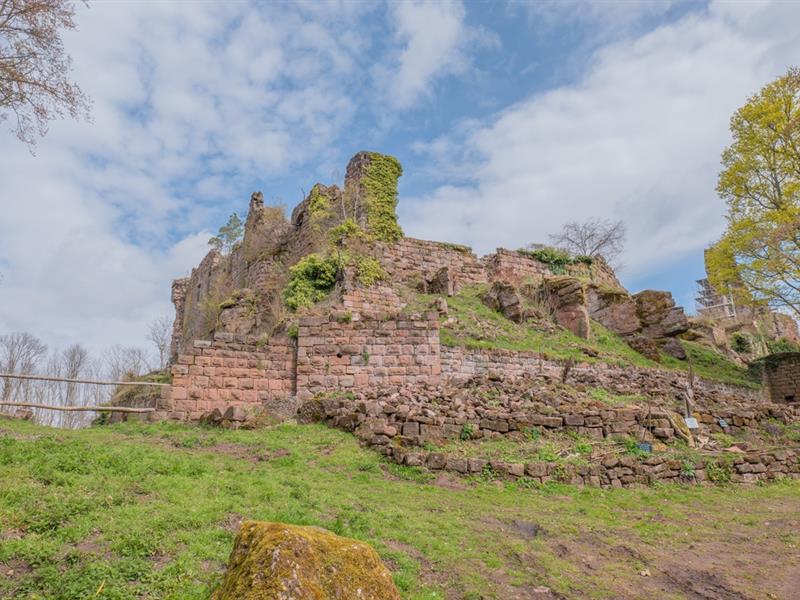
Mollkirch · 67
Guirbaden Castle, the largest castle in Alsace (2 hectares), dates from the 10th to 13th centuries and overlooks the Bruche Valley. Its ruins, including the keep and Saint Valentine chapel, are open to visitors, with volunteer restoration projects available.
Discover this place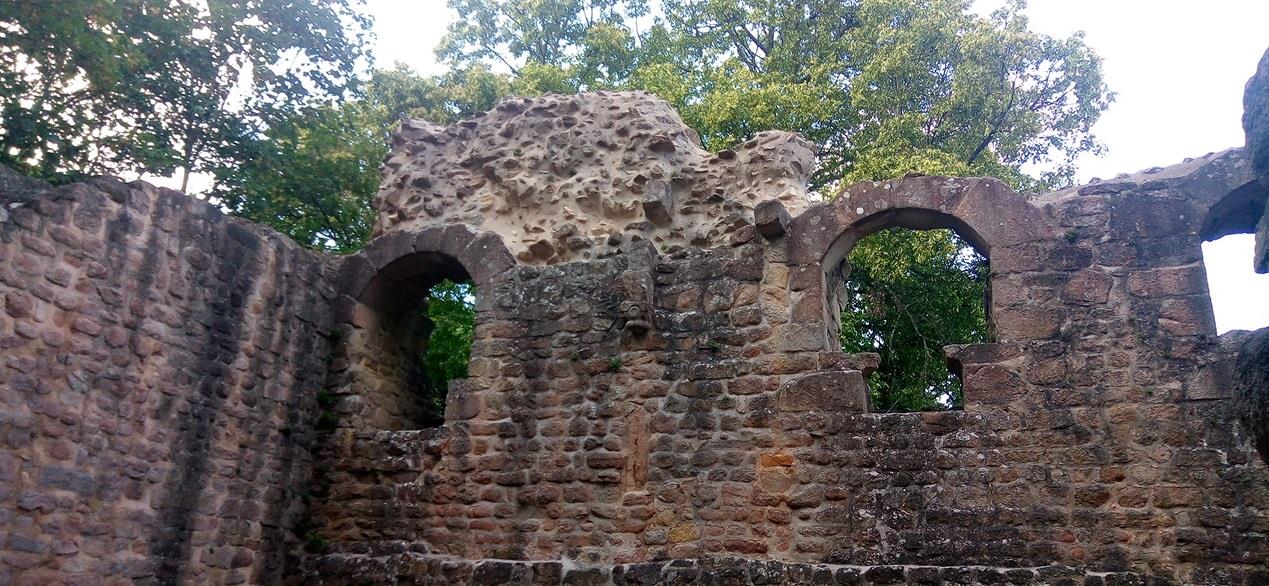
Wettolsheim · 68
This 13th-century medieval castle, remodeled in the 14th century, was once a fief of the Bishop of Strasbourg. Classified as a Historic Monument since 1923, it can be visited after a short walk through the vineyards near Wettolsheim.
Discover this place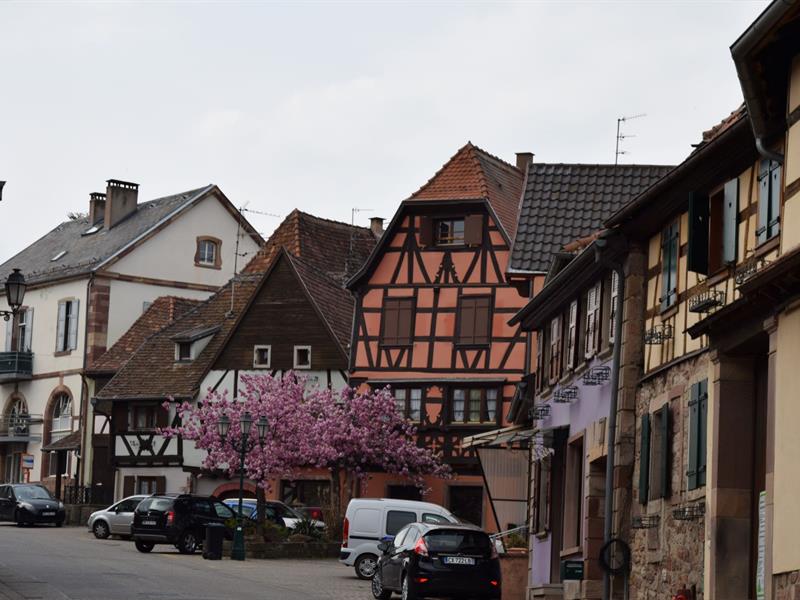
Westhoffen · 67
Westhoffen features remarkable half-timbered houses, such as the one at 39 rue Staedtel (1565-1566) with its corbel, and a 1584 farmhouse at number 5 on the same street, where window decoration and the gallery showcase skilled craftsmanship.
Discover this place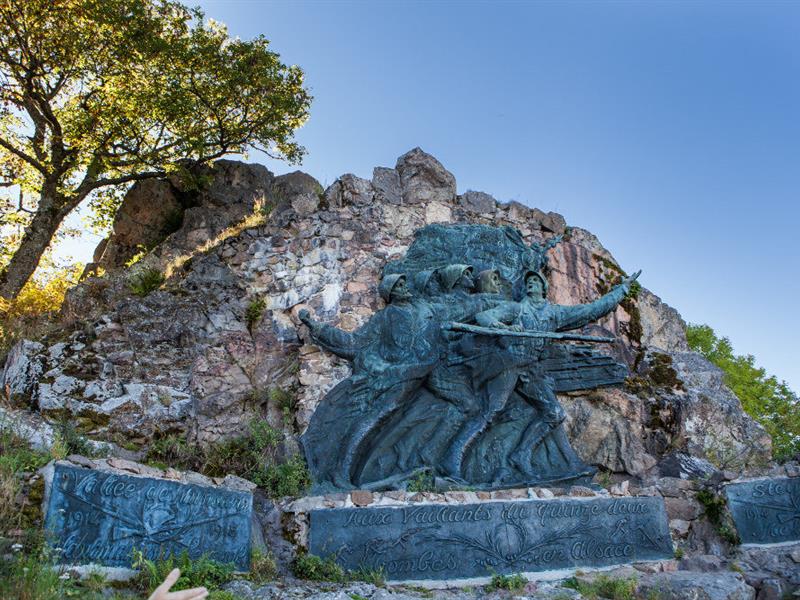
Wattwiller · 68
At 956 m altitude, this Alsatian promontory was a strategic battlefield in the Great War where 30,000 French and German soldiers clashed. The site, a historic monument, houses a national monument and nearby the Franco-German Historial.
Discover this place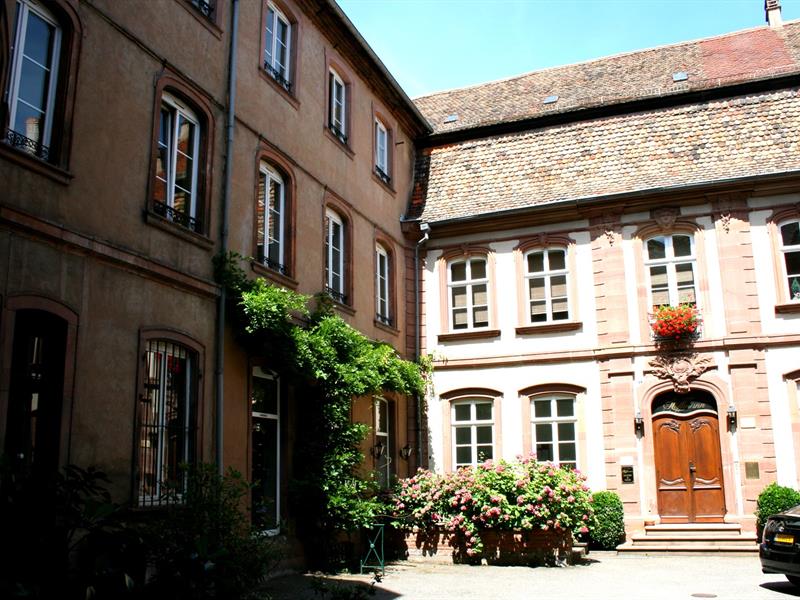
Haguenau · 67
This 18th-century Parisian townhouse, built around 1770 in the Louis XV style, features a facade with balconies and unfinished sculpted decorations. Symbolizing the Hoffmann family's wealth, Alsatian madder industrialists, it reflects the golden age of this iconic red dye.
Discover this place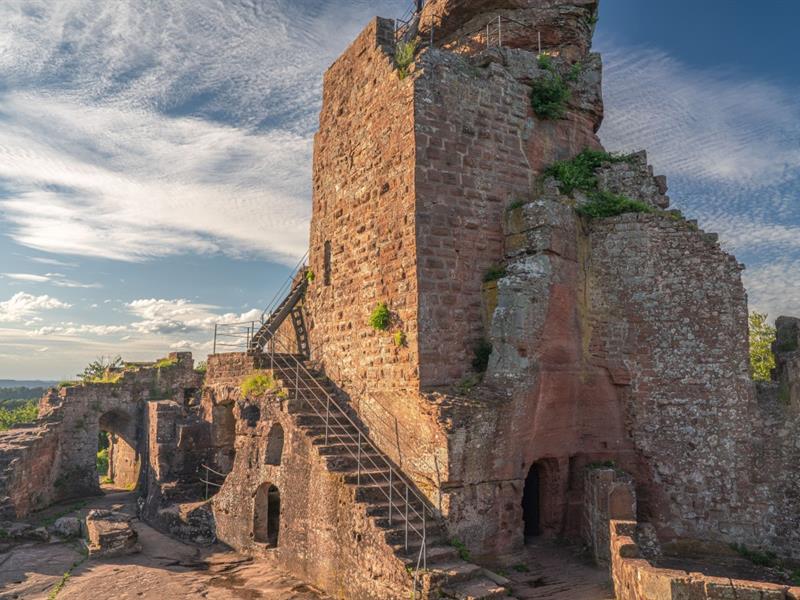
Wingen · 67
Hohenbourg Castle, built in the late 12th century, marked the border with Lorraine. Closed for safety reasons until August 2026, it can be visited after a 35-minute hike from Fleckenstein.
Discover this place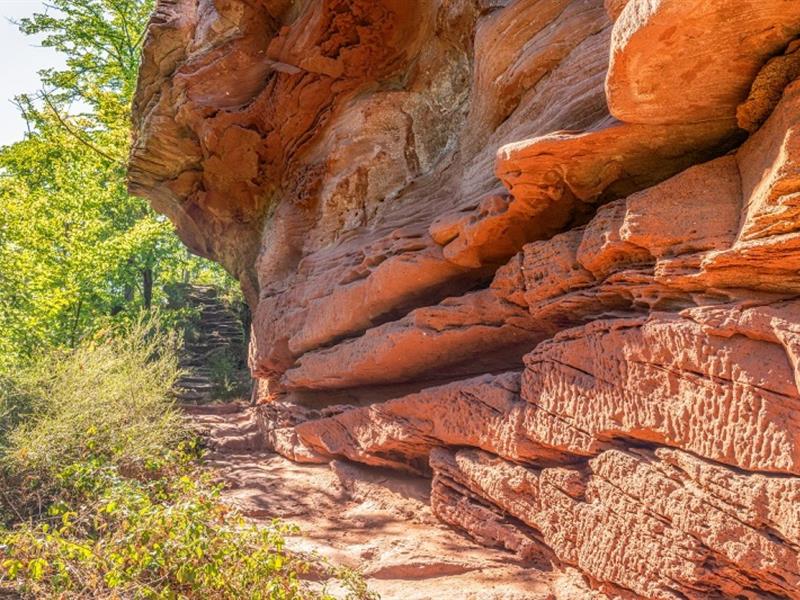
Dambach · 67
This 13th-century castle houses remarkable troglodyte remains of the lordly residence, mentioned as early as 1293.
Discover this place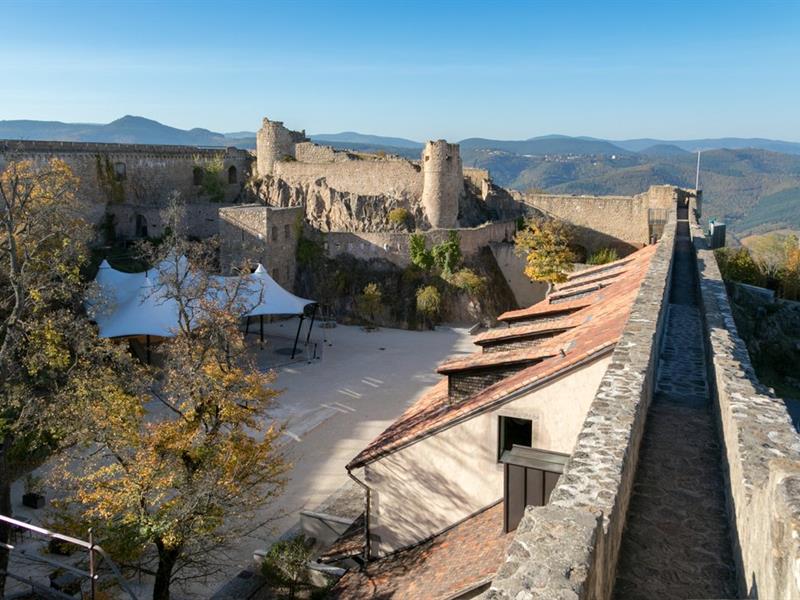
Wintzenheim · 68
Perched at 620 meters altitude, Hohlandsbourg Castle offers an exceptional panoramic view. This historic site, built by the Habsburgs between the 13th and 17th centuries, features interactive tours and family activities from April 4 to November 1.
Discover this place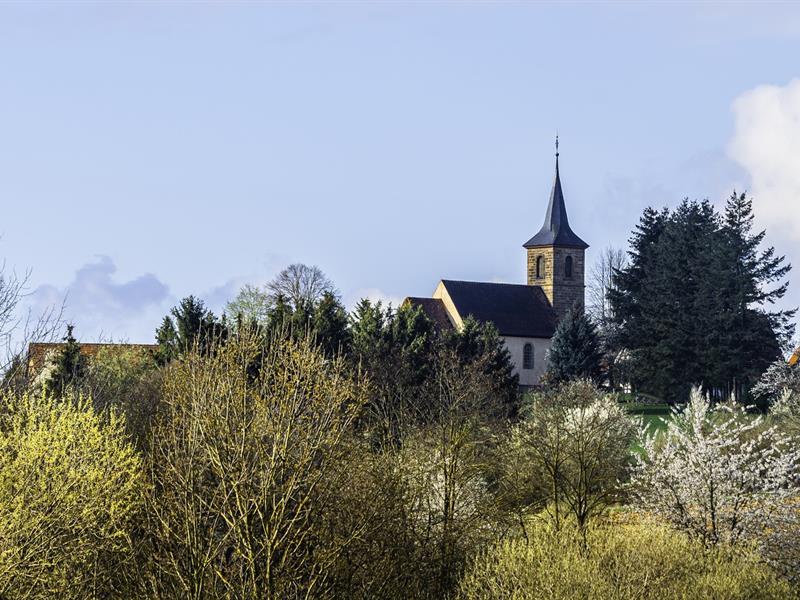
Soultz-sous-Forêts · 67
Hohwiller, an Alsatian village with 18th-century half-timbered houses, charms visitors with its award-winning floral displays (4 flowers). Its Saint John the Baptist Church, shared by Protestants and Catholics, features medieval frescoes including a rare Eucharistic Mill found in only two other Alsa
Discover this place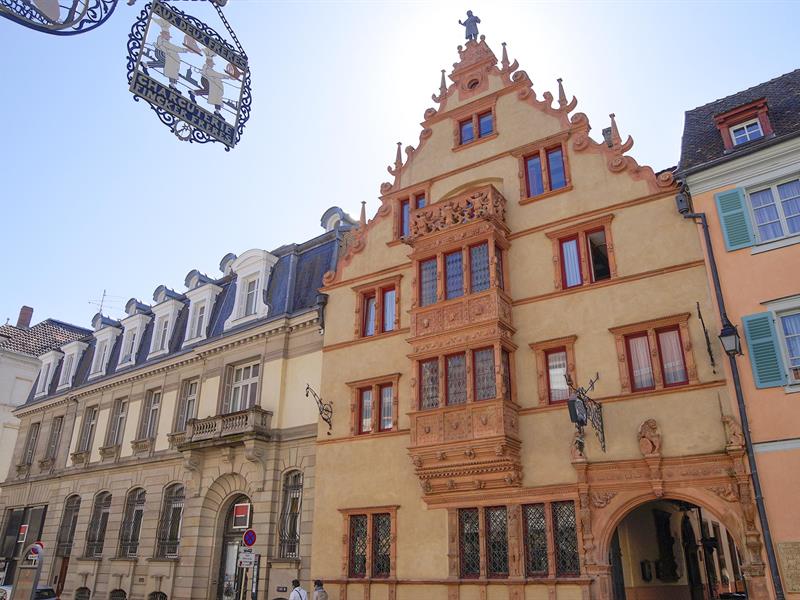
Colmar · 68
Built in 1609 by architect Albert Schmidt for merchant Anton Burger, the House of Heads, a gem of the German Renaissance, features 106 grotesque masks on its façade. Its gable, decorated with scrolls and fins, is topped by Bartholdi's Cooper statue (1902).
Discover this place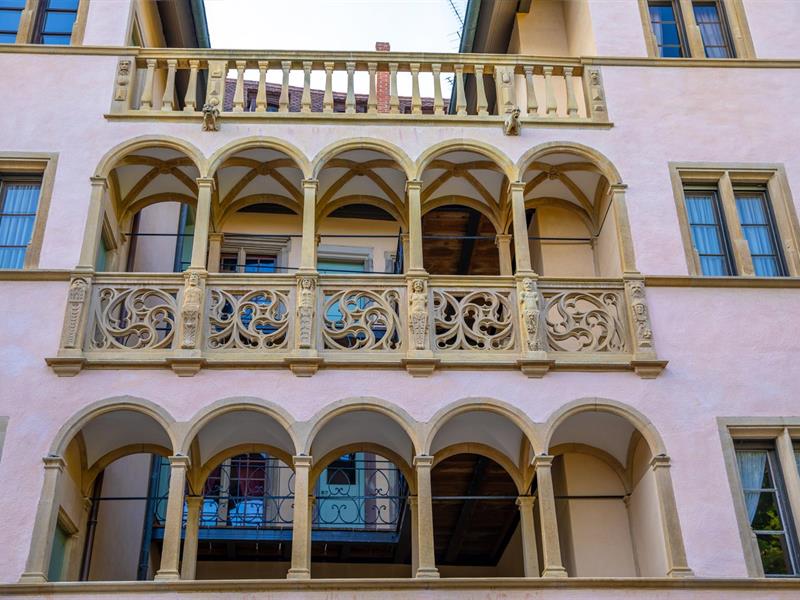
Colmar · 68
This 19th-century house, rebuilt from 17th-century elements, evokes Venetian palaces with its rounded arches and stone balustrade. It connects two buildings around an inner courtyard.
Discover this place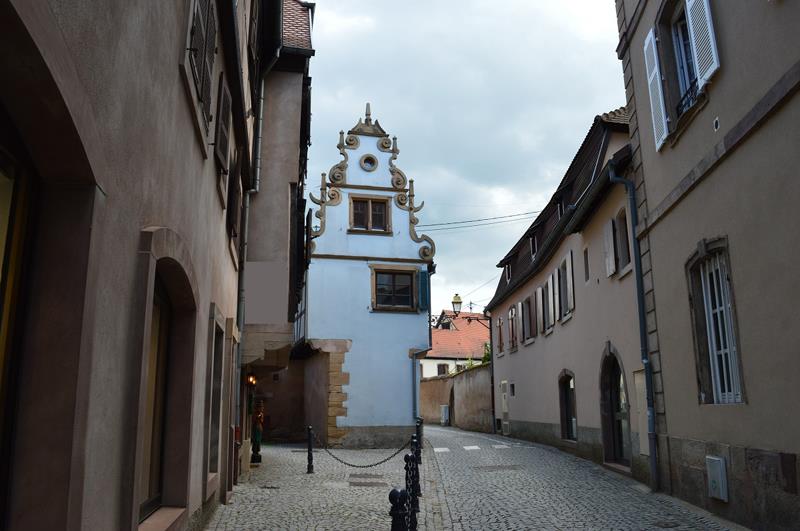
Molsheim · 67
This modest house is the former Girls' school, birthplace of the Congregation of the Sisters of Divine Providence of Ribeauvillé founded in 1783. The building, older than the school, features a Renaissance gable with corbels topped by a sculpted head.
Discover this place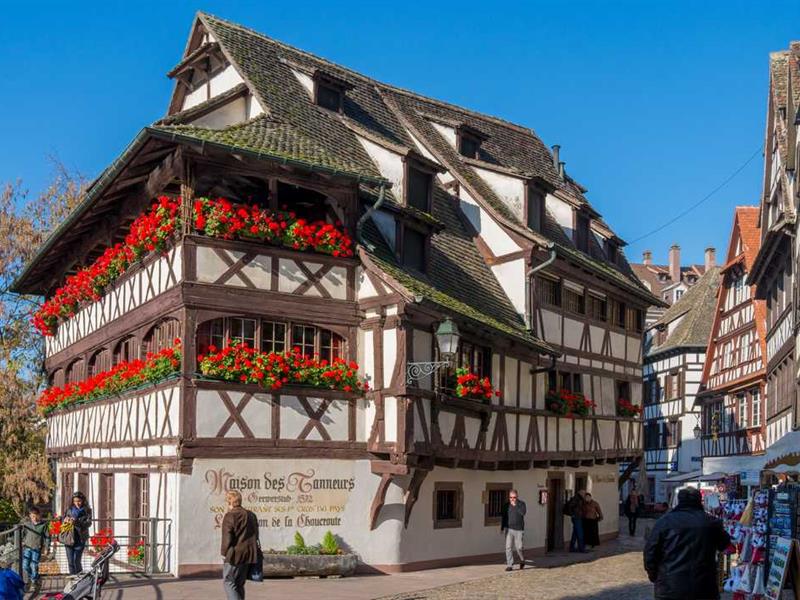
Strasbourg · 67
The House of the Tanners, located in Strasbourg's historic Petite France district, highlights the importance of water for tanner artisans. This medieval building, with ventilated attics, allowed hides to dry thanks to its façade opening onto the Ill River.
Discover this place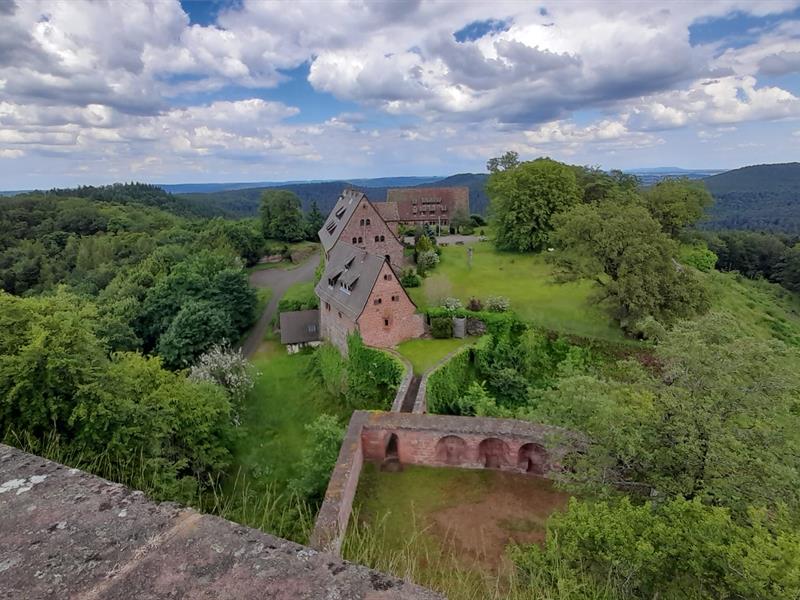
Dossenheim-sur-Zinsel · 67
Perched at 425 meters altitude, Hunebourg Castle overlooks Dossenheim-sur-Zinsel. Although not open to the public, its surroundings offer wonderful walks and remarkable viewpoints like the Love Cave and Sentry Rock.
Discover this place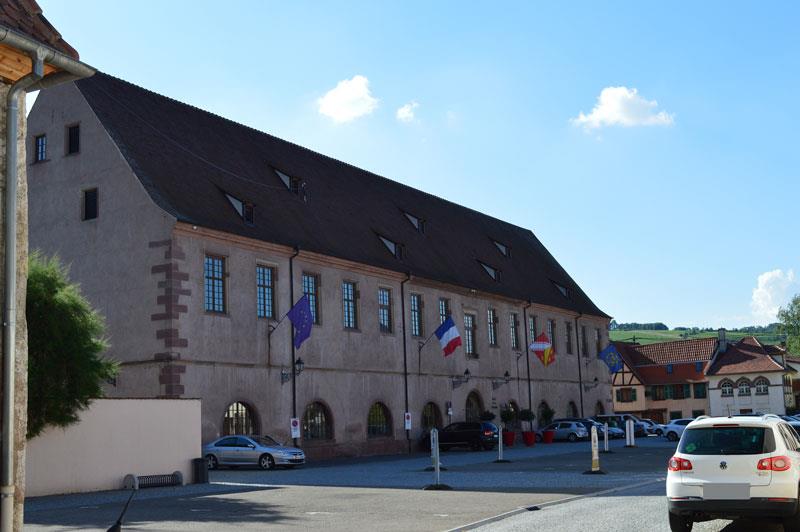
Molsheim · 67
The Hôtel de la Monnaie, a former 16th-century mint workshop in Molsheim, now hosts cultural events. Situated on the Alsace Wine Route, it is 20 km from Strasbourg.
Discover this place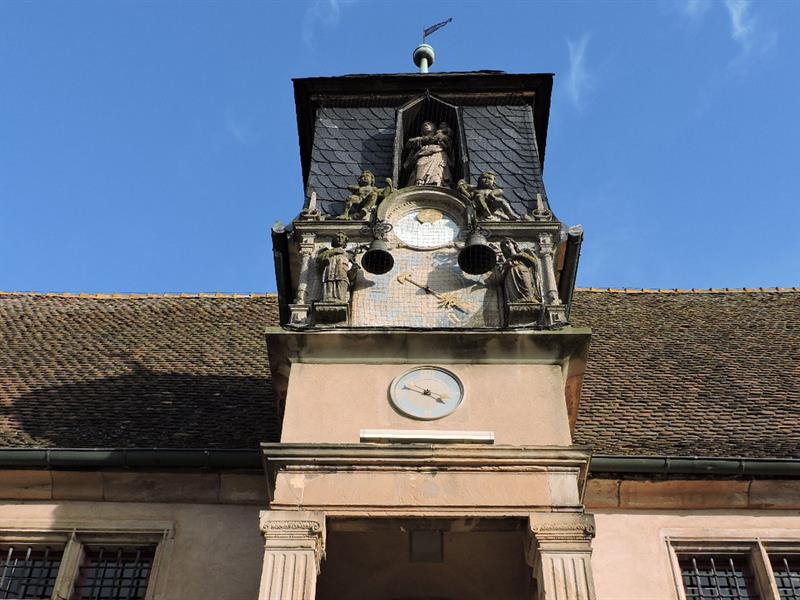
Molsheim · 67
The Metzig of Molsheim, built after 1583, is a Renaissance gem housing a jacquemart clock from 1607. Its dials show hours, quarter hours, and moon phases, while two automata still strike the hour.
Discover this place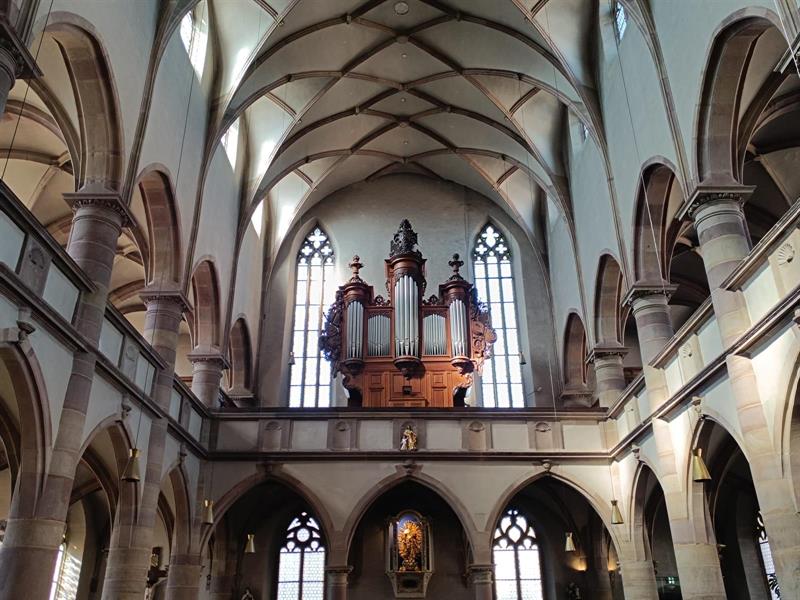
Molsheim · 67
The organ of the Jesuit Church in Molsheim, built by Silbermann in 1781, has 22 stops and a unique echo keyboard in Alsace. Its case, decorated with musical instruments and a finial representing Molsheim's wheel, is a masterpiece classified as a historic monument.
Discover this place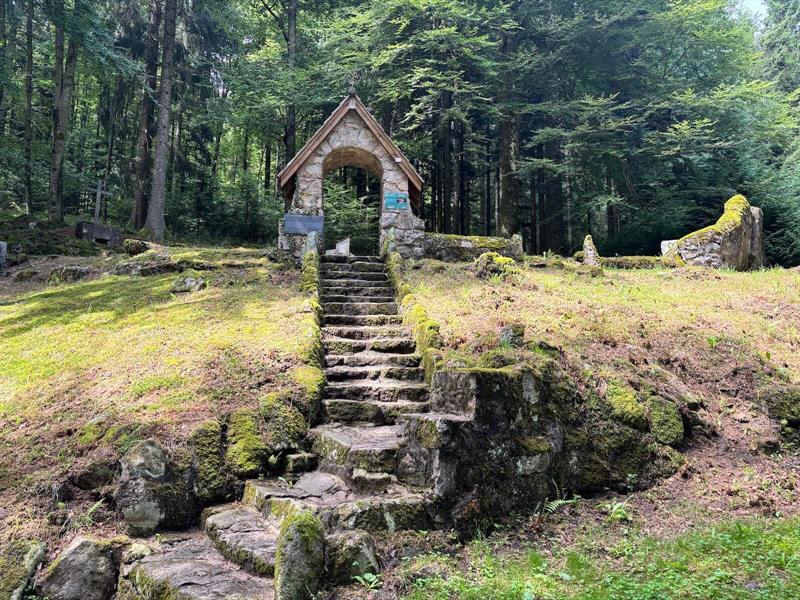
Lapoutroie · 68
Created in January 1916 by Bavarians under Lieutenant Kahm, this military cemetery overlooks the villages of Bonhomme, Lapoutroie, and Orbey. Set in forested terraces on a slope, it gradually expanded and features a central chapel.
Discover this place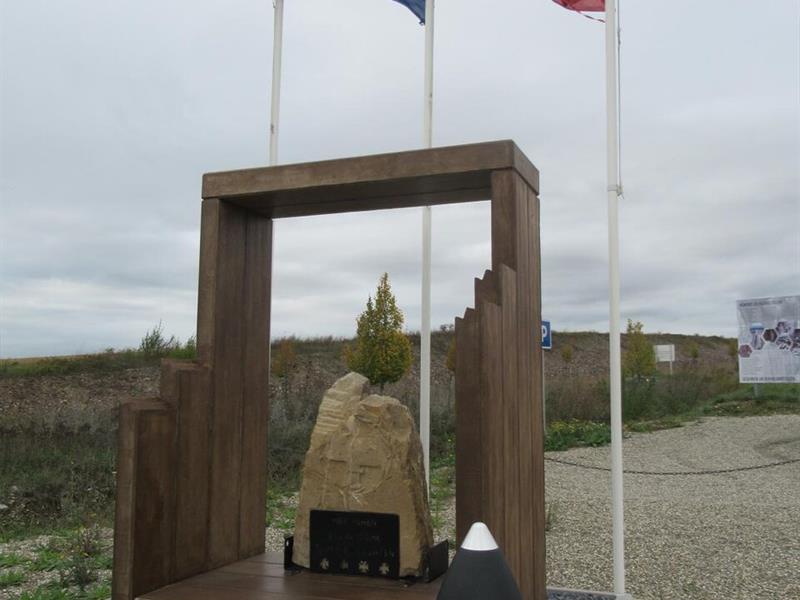
Carspach · 68
The Kilian gallery in Carspach, a World War I relic buried in 1918, was rediscovered in 2011. It houses the remains of 21 German soldiers, 18 identified, and serves as a memorial site for conflicts in Alsace.
Discover this place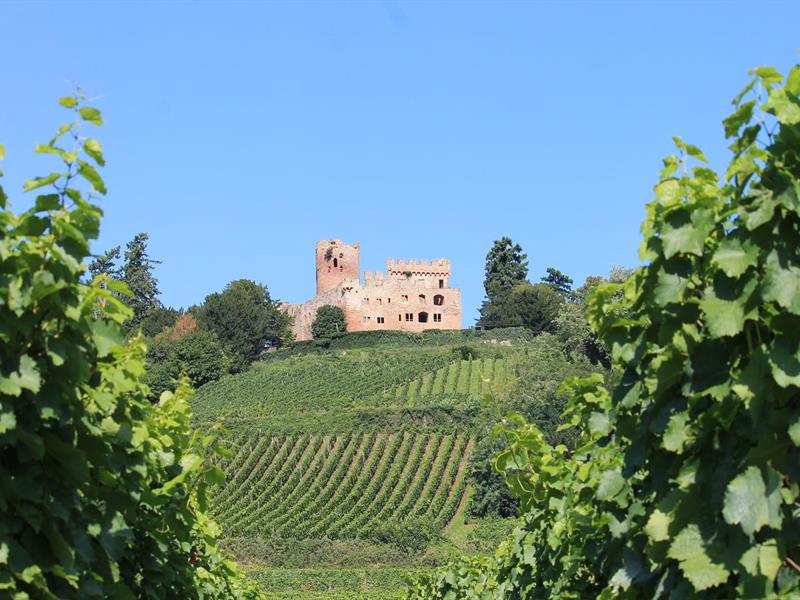
Kintzheim · 67
Kintzheim Castle, a Historic Monument since 1964, now hosts the Volerie des Aigles. Experience an impressive aerial show featuring birds of prey flying freely in this restored medieval setting.
Discover this place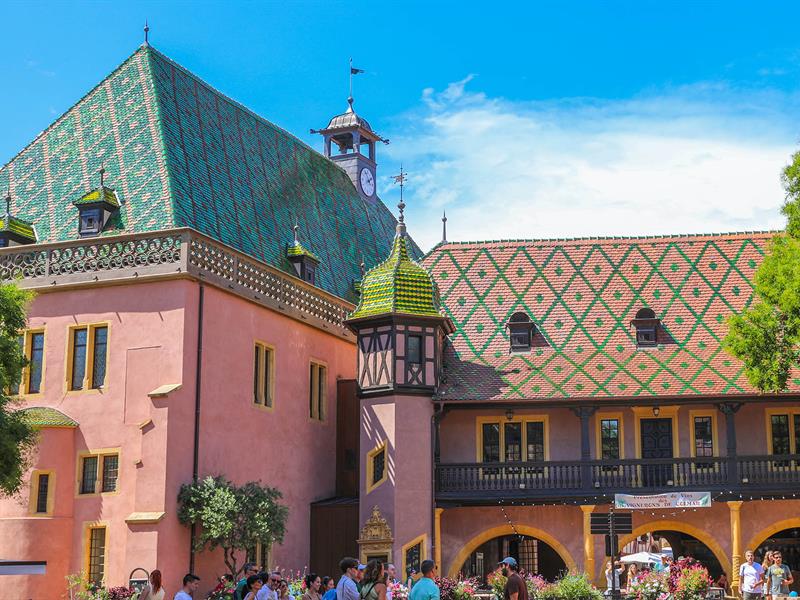
Colmar · 68
Located at the junction of Grand’rue and rue des Marchands, the Koïfhus, or Old Customs House, is the oldest local public building. Built between 1433 and 1480, it served as a warehouse and taxation site before hosting meetings of the Décapole and the Magistrate.
Discover this place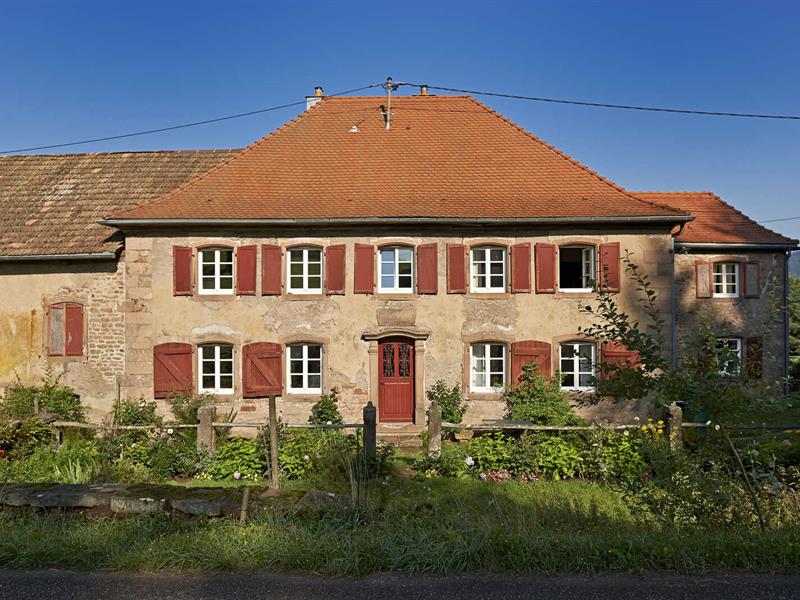
La Broque · 67
This pink sandstone farm from 1791, formerly owned by Mennonites including Jacob Kupferschmitt, is known for securing an exemption from armed service for his co-religionists in 1793. It is only visible from the outside and remains private property.
Discover this place