Colmar · 68
Churches
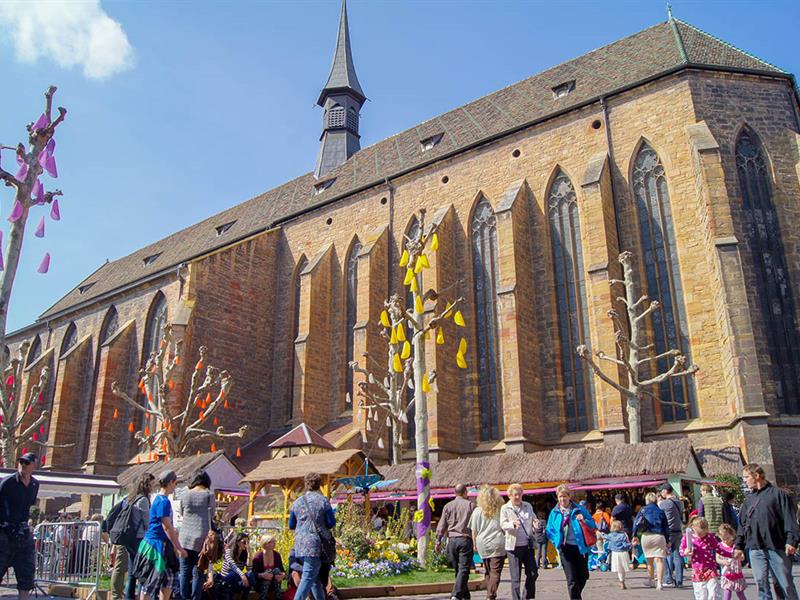
Dominican Church
Built from 1283, this Gothic Dominican church, marked by fires and reconstructions, features Baroque decor since 1720. It now houses Martin Schongauer's Virgin of the Rose Bush.
Discover this place idées.outings in Alsace
337 places
Colmar · 68
Built from 1283, this Gothic Dominican church, marked by fires and reconstructions, features Baroque decor since 1720. It now houses Martin Schongauer's Virgin of the Rose Bush.
Discover this place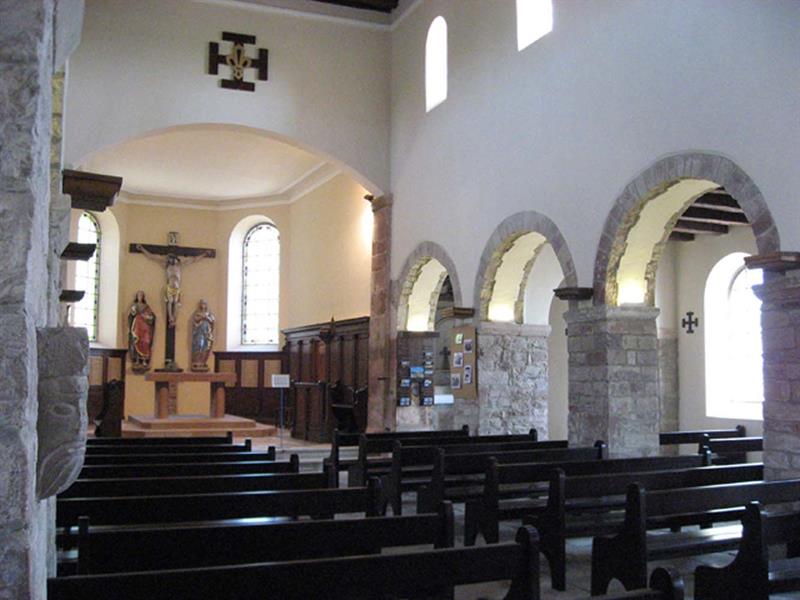
Avolsheim · 67
Dompeter Church, the oldest church in Alsace, is in Avolsheim on the wine route. Dating from the 7th century, it was a medieval pilgrimage site linked to the Camino de Santiago. Restored in 1933, it houses a memorial altar for Alsatian scouts who died for France.
Discover this place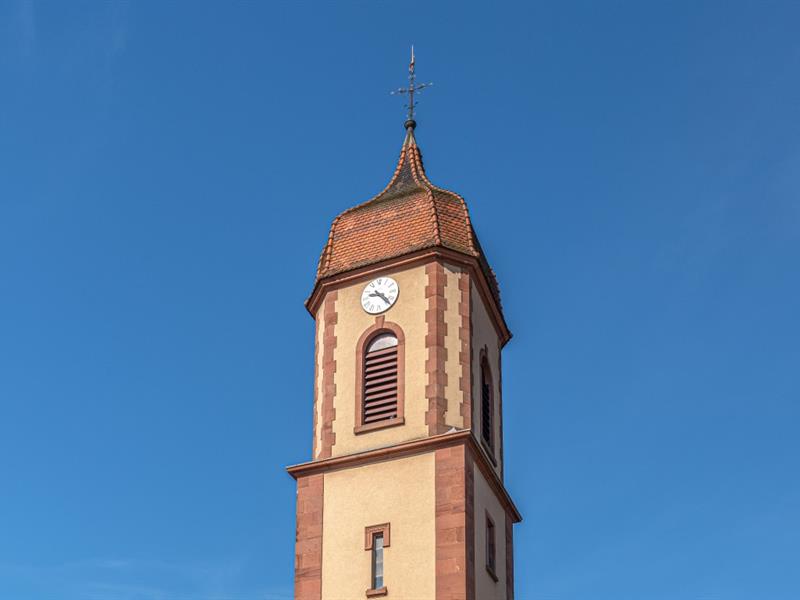
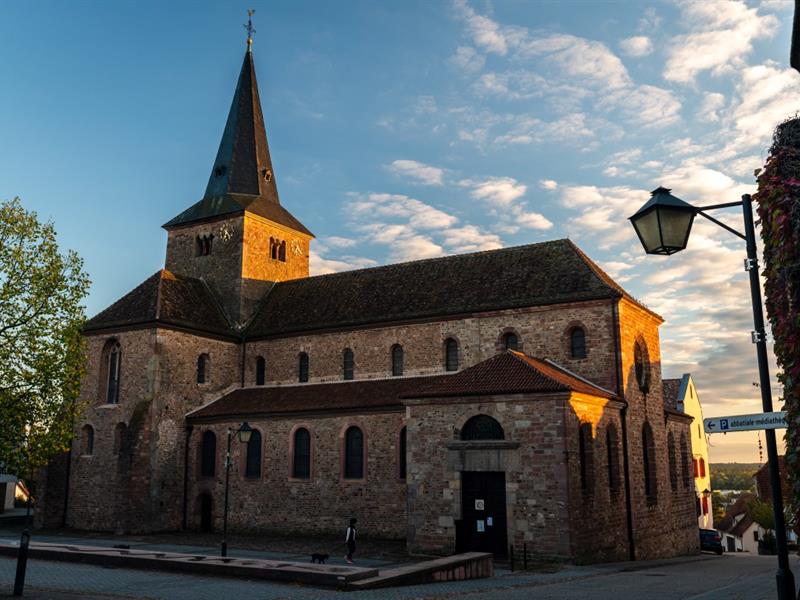
Surbourg · 67
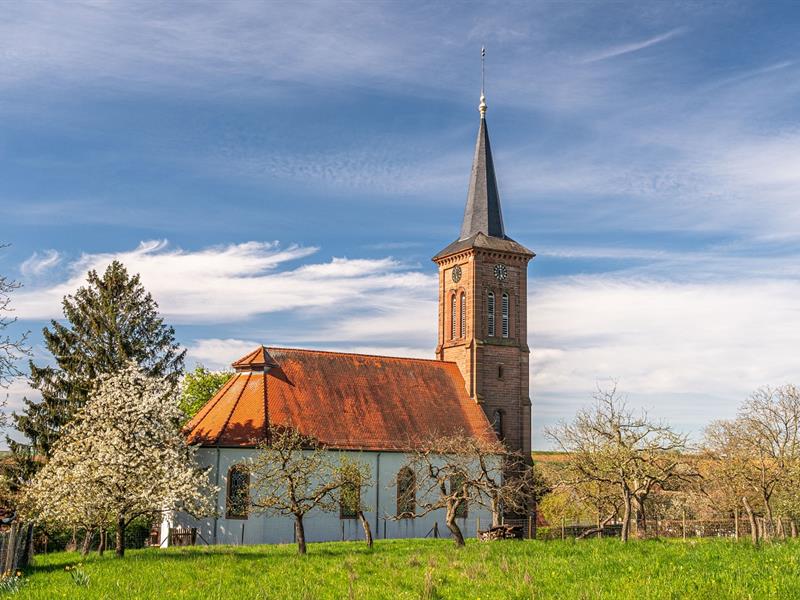
The Saint-Arbogast Church in Surbourg, dedicated to Strasbourg's first bishop, is a gem of 11th-century Alsatian Romanesque art. Listed on the Alsace Romanesque Route, it captivates with its basilica architecture and red and gray sandstone details.
Discover this place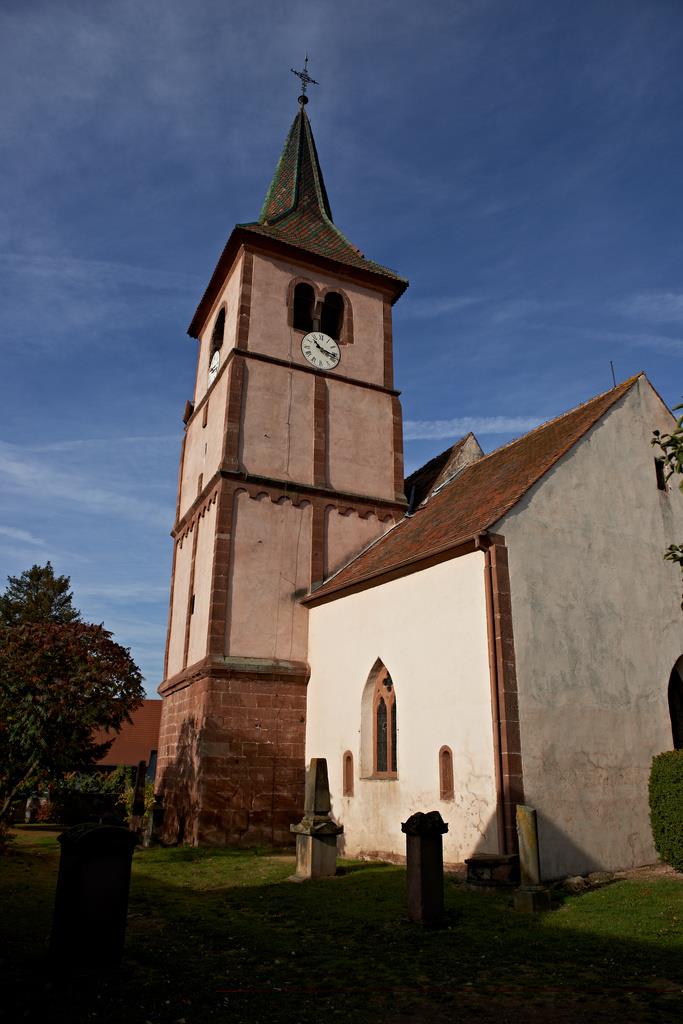
Balbronn · 67
The Protestant church of Balbronn, built in the 11th-12th centuries on a possible pagan sanctuary, was originally Catholic before becoming a simultaneum in 1687. Restored in 1908, it features 15th-century stained glass by Fritz Geiges and furnishings from the same era.
Discover this place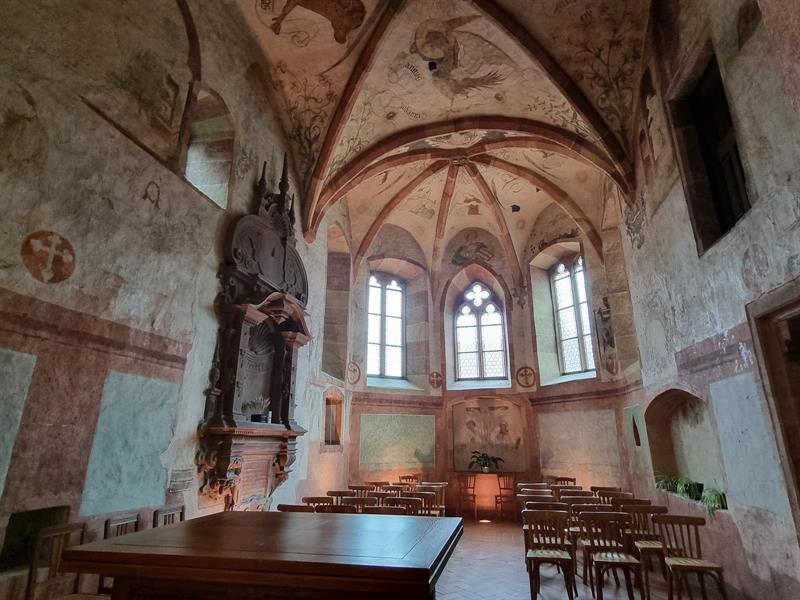
Baldenheim · 67
The church of Baldenheim, built on an ancient necropolis around the late 11th or 12th century, blends Romanesque and Gothic styles. Its medieval frescoes, among the best preserved in Alsace, date from the 14th and 15th centuries, some attributed to Martin Schongauer.
Discover this place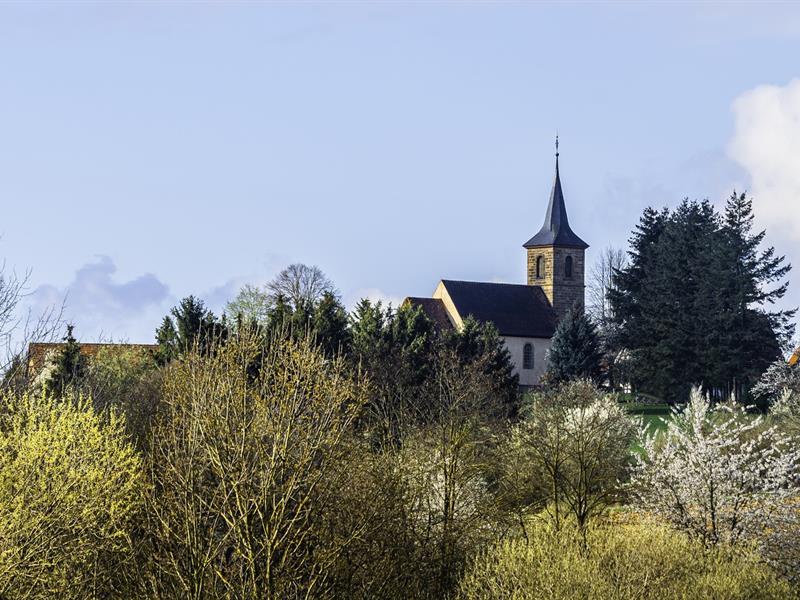
Soultz-sous-Forêts · 67
Hohwiller, an Alsatian village with 18th-century half-timbered houses, charms visitors with its award-winning floral displays (4 flowers). Its Saint John the Baptist Church, shared by Protestants and Catholics, features medieval frescoes including a rare Eucharistic Mill found in only two other Alsa
Discover this place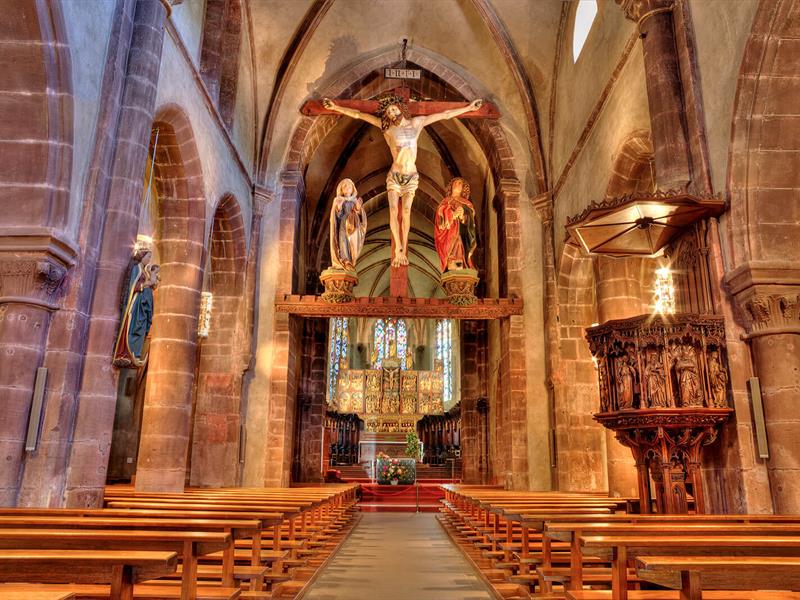
Kaysersberg Vignoble · 68
The church of Kaysersberg, dedicated to the Holy Cross, blends legend and history with its 13th-century Romanesque portal and 1518 altarpiece. It also houses an 18th-century organ and stained glass windows restored after World War II.
Discover this place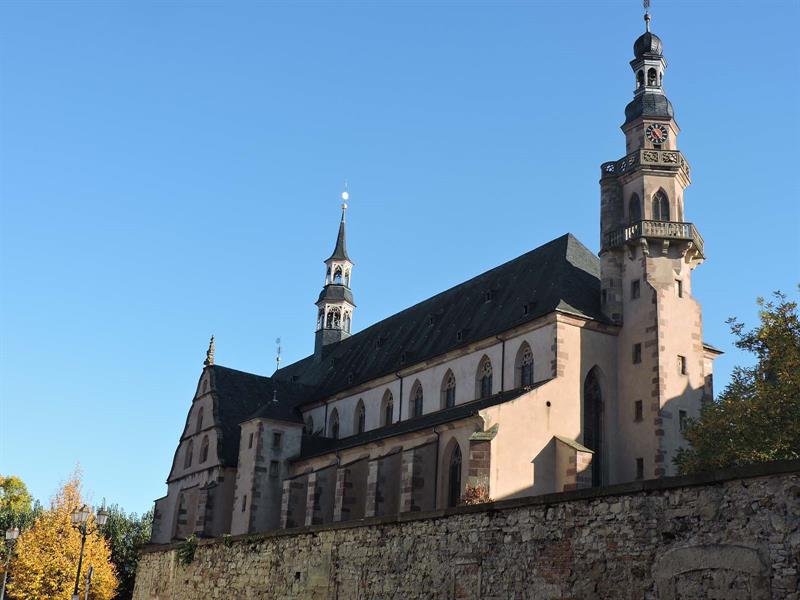
Molsheim · 67
The Jesuit Church of Molsheim, a symbol of the Counter-Reformation in Alsace, impresses with its size (61.5 m long) and light. It houses richly decorated chapels, a Silbermann organ, and historic tombs. Visits available by reservation.
Discover this place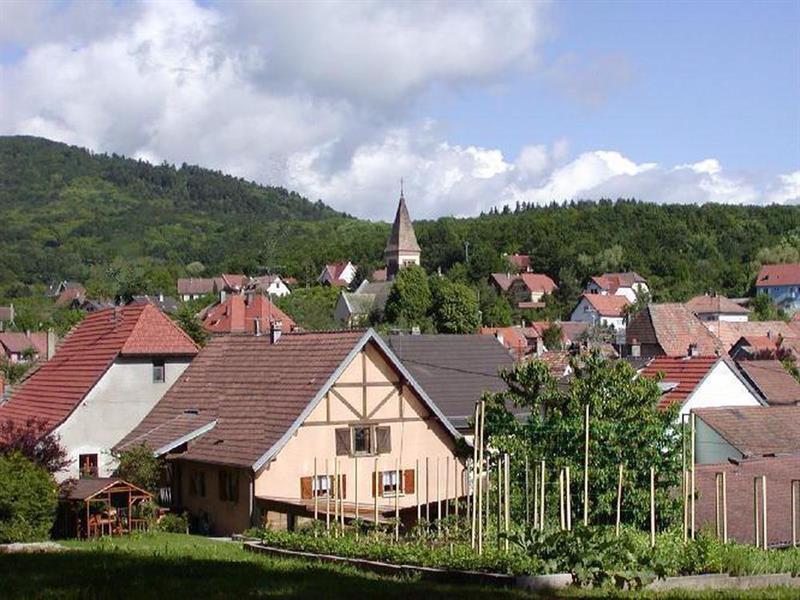
Leimbach · 68
Leimbach is named after clay and a stream. Its 12th-century Saint-Blaise Church, marked by historic destructions, and the Notre-Dame auf der Heiden chapel offer an exceptional panorama of Alsace and the Black Forest.
Discover this place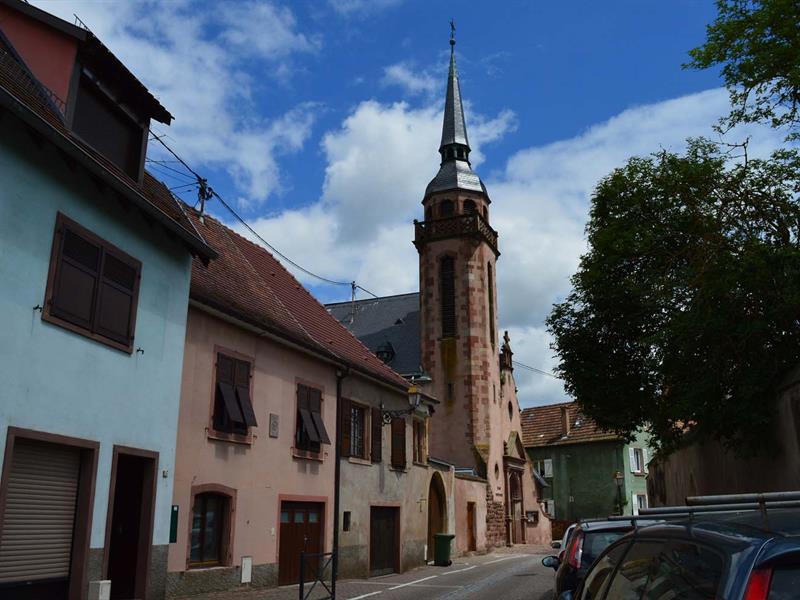
Molsheim · 67
The Protestant church of the Augsburg Confession, built in 1900-1901 in a neo-Renaissance style, is an iconic building of the local Lutheran community. It houses a stained glass window dedicated to Martin Bucer and remains an active place of worship.
Discover this place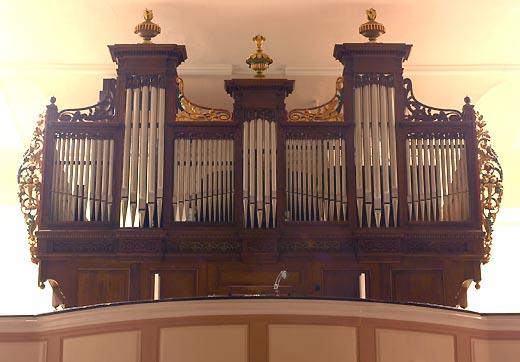
Duttlenheim · 67
The organ of Saint-Louis church, attributed to Michel Stiehr (1817), was extensively modified by Koulen (1882), Kriess (1920), and the Steinmetz brothers (1983). Its oak case, with four flat fronts and three turrets, partly dates from 1920.
Discover this place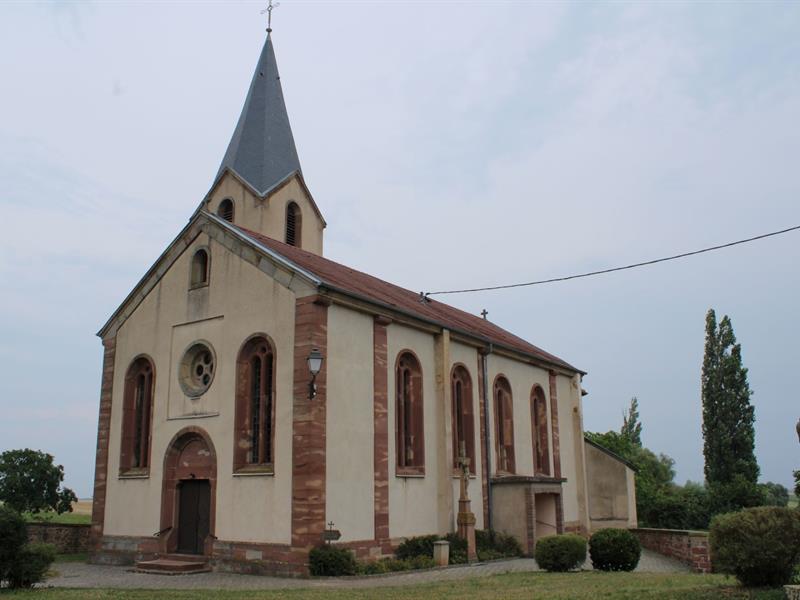
Zehnacker · 67
Zehnacker, part of Strasbourg since 1513, has housed a shared church since 1686. Built around a 12th-century tower, it has separated Catholic and Protestant worship since 1851 by a transverse wall, with distinct entrances.
Discover this place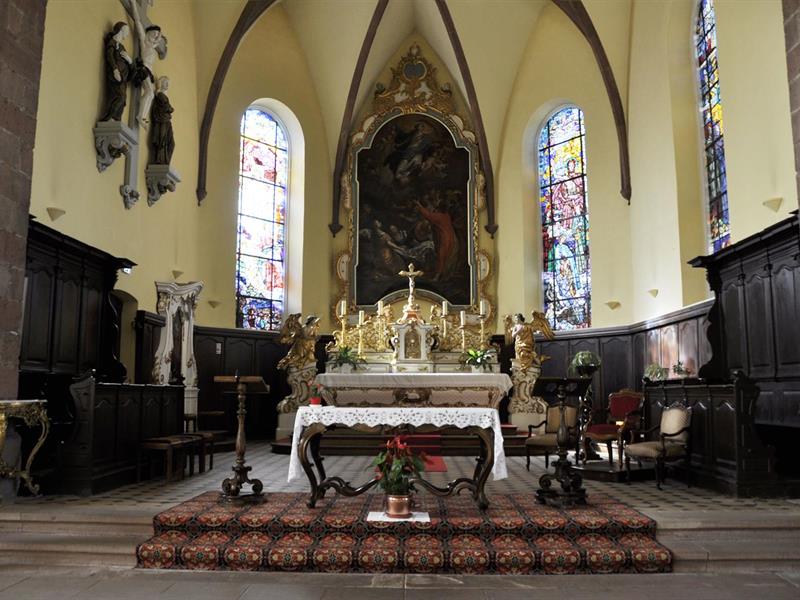
Villé · 67
The Villé church, built 1754-1758 in Baroque style, impresses with its 40 x 19.6 m nave and Neo-Gothic choir. It houses notable works like a statue of the Curé d'Ars, Kuder stained glass, and a 1913 Rinckenbach organ.
Discover this place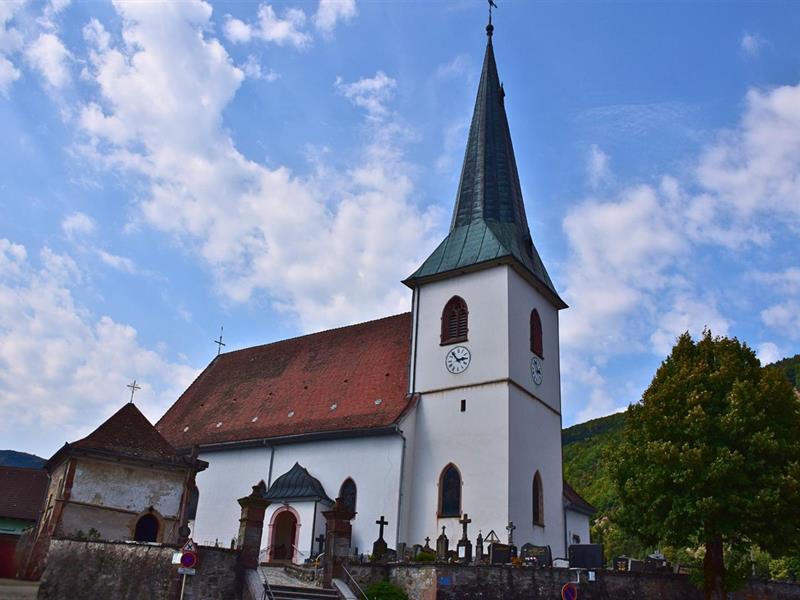
Sewen · 68
The Notre-Dame Church of Sewen, perched on a glacial ridge within a fortified cemetery, combines a Gothic choir and a 13th-century bell tower. Its history, marked by flourishing pilgrimages in the 16th-17th centuries, is linked to figures like Father Baumuller.
Discover this place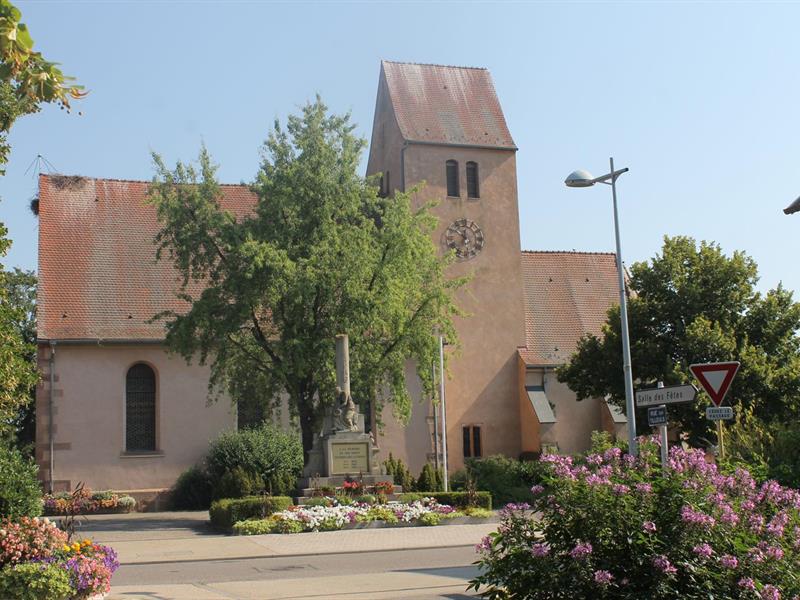
Muttersholtz · 67
The Protestant church of Muttersholtz, with a Romanesque bell tower from the 13th century and a Gothic choir from the 14th, has undergone many changes. Burned in 1670, restored, it became a Temple of Reason in 1793 before returning to religious use in 1795.
Discover this place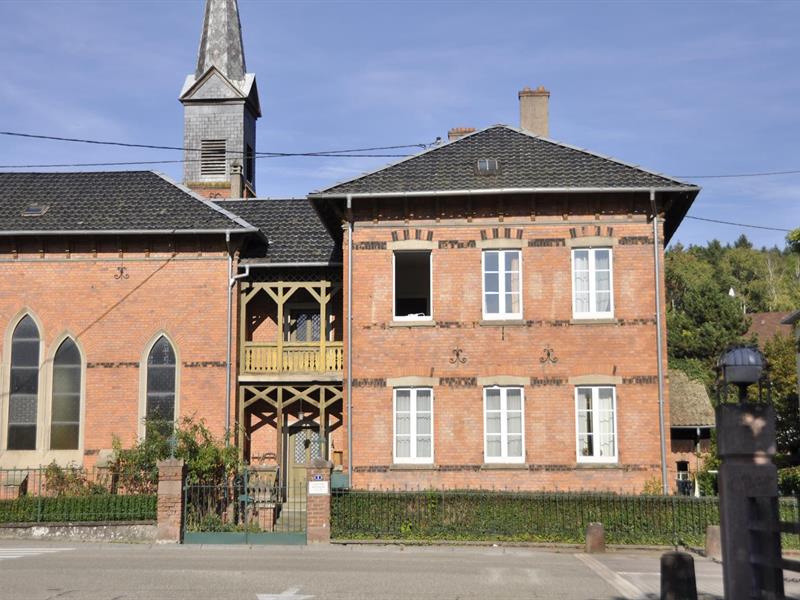
Villé · 67
Facing the old station, the Protestant church and its presbytery, built of red bricks with gray sandstone frames, feature a slate bell tower and pointed-arch windows. Inside, the simple, bright space includes a wooden altar, a pulpit, and a harmonium.
Discover this place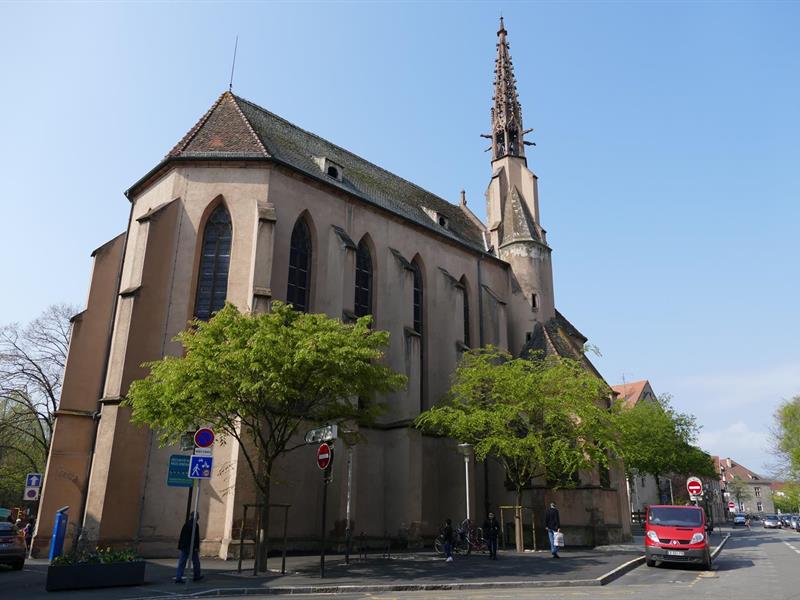
Sélestat · 67
The Protestant church of Sélestat occupies the former choir of a 13th-century Franciscan convent. Converted into a Protestant place of worship in 1881 after renovations, it houses a Rinckenbach organ and modern stained glass windows depicting biblical figures.
Discover this place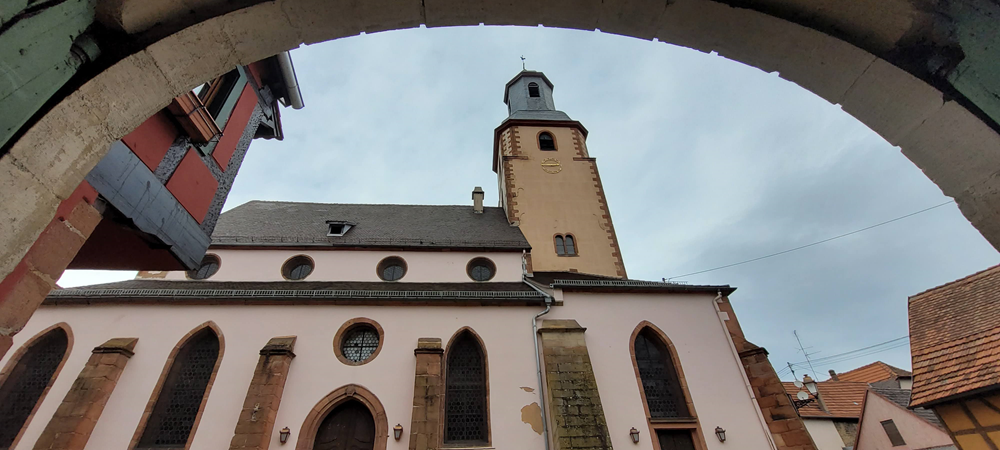
Bouxwiller · 67
This 1614 church features a classified 1778 Silbermann organ, a carved Renaissance pulpit, 17th-century biblical panels, and a lordly lodge. The Protestant cemetery chapel houses a stained glass window by Ehrismann in the tones of Bleu de Bouxwiller.
Discover this place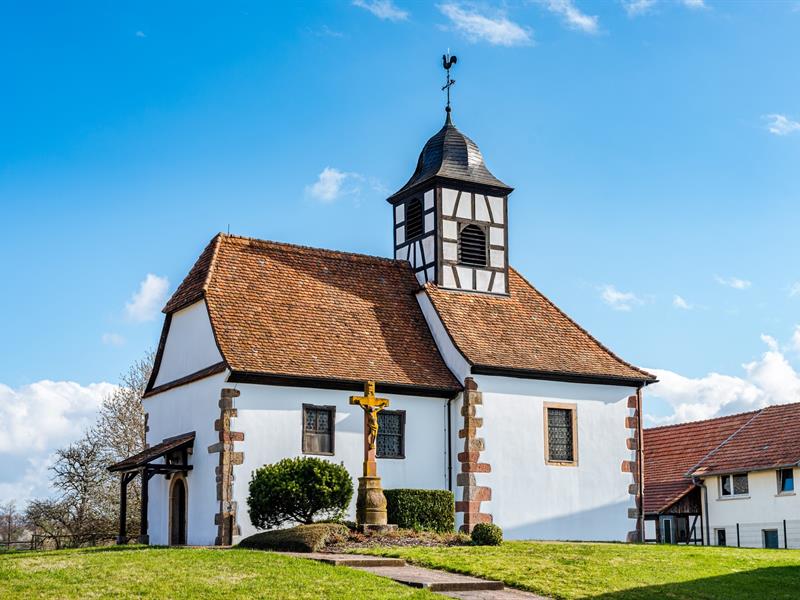
Hoffen · 67
The Protestant church of Leiterswiller, an associated commune of Hoffen in Outre-Forêt, is the oldest in the region. Its half-timbered bell tower and monumental cross from 1784 make it a remarkable site, classified as a historic monument since 1924.
Discover this place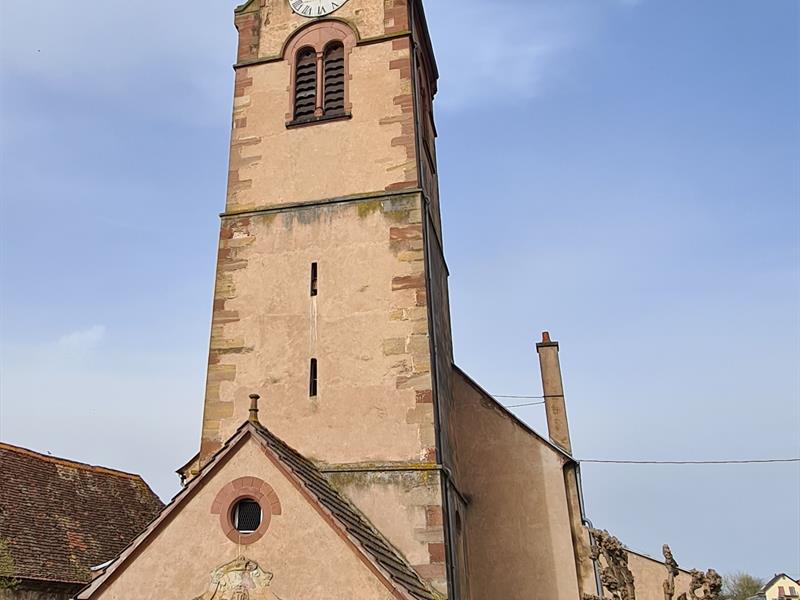
Romanswiller · 67
This village, which became property of Strasbourg in 1489, adopted the Reformation in 1526. Its church, marked by a simultaneum from 1690 to 1899, houses a tower likely from the 12th century and a nave rebuilt in 1611, remodeled in the 18th, 19th centuries and in 1900 in a neo-Romanesque style.
Discover this place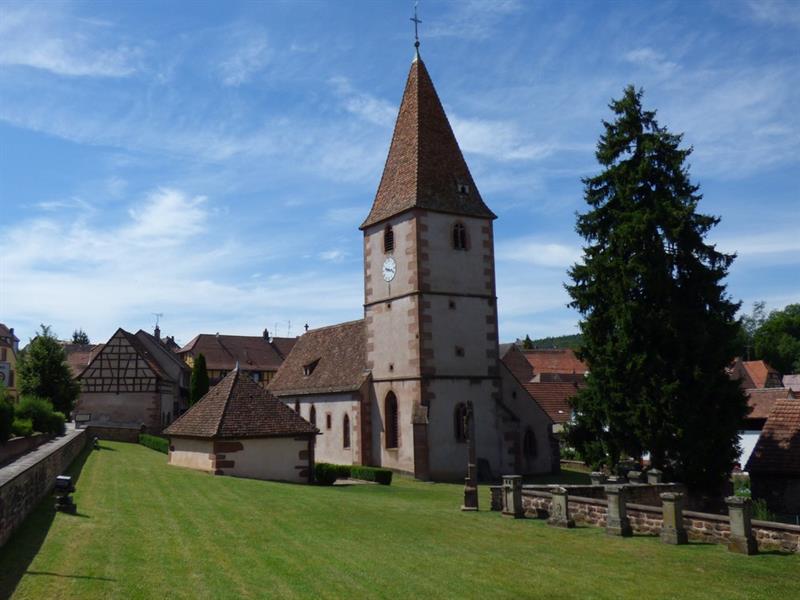
Weiterswiller · 67
This Gothic church, built between 1338 and 1346, is dedicated to Saint Michael. It housed a simultaneum from 1727 to 1874 before becoming exclusively Protestant. Its 15th-century frescoes, hidden until 1906, depict scenes from the Old Testament.
Discover this place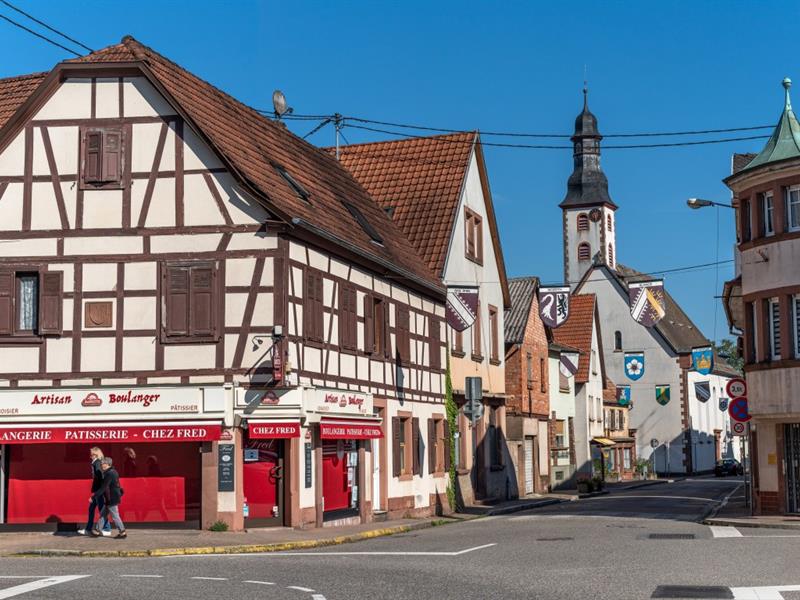
Wœrth · 67
Woerth once had two places of worship: a mother church dedicated to Saint-Laurent near the cemetery and a chapel in the town center, mentioned as early as 1550. Enlarged in 1754 and 1788, it became Protestant before giving way to a Catholic church in 1896.
Discover this place