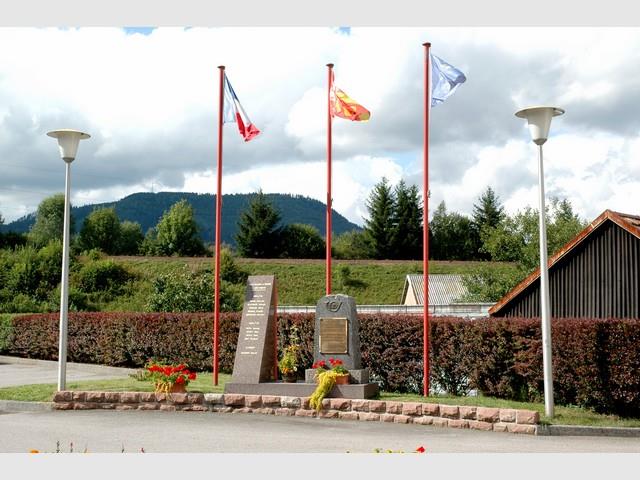
Saint-Blaise-la-Roche · 67
Commemorative Stele
A stele in the heart of the village recalls the battle of August 14, 1914, where the 1st Battalion of Foot Chasseurs captured 500 German soldiers, along with their flags and cannons.
Discover this place866 places
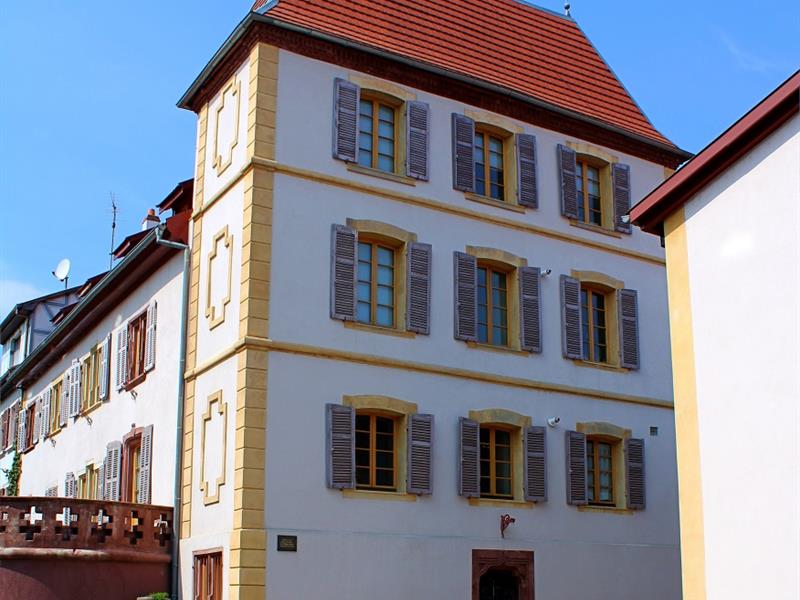
Saint-Blaise-la-Roche · 67
A stele in the heart of the village recalls the battle of August 14, 1914, where the 1st Battalion of Foot Chasseurs captured 500 German soldiers, along with their flags and cannons.
Discover this place
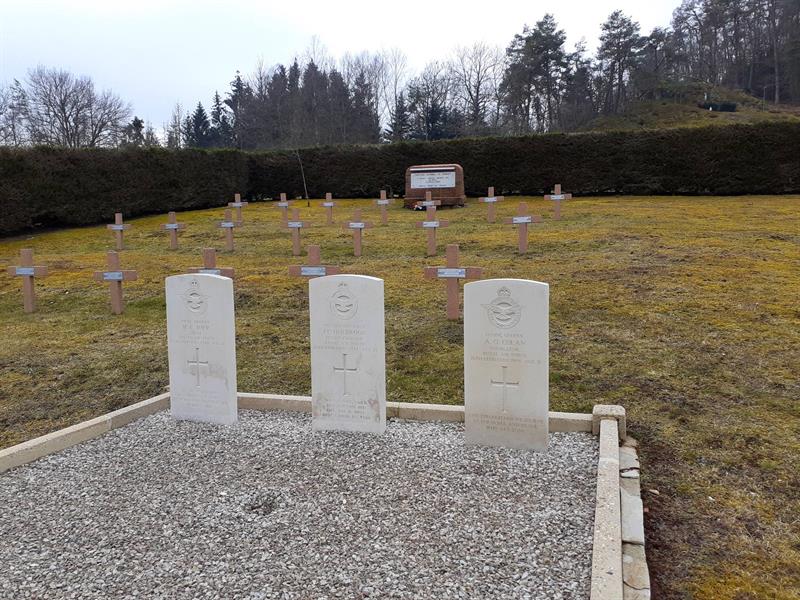
Cernay · 68
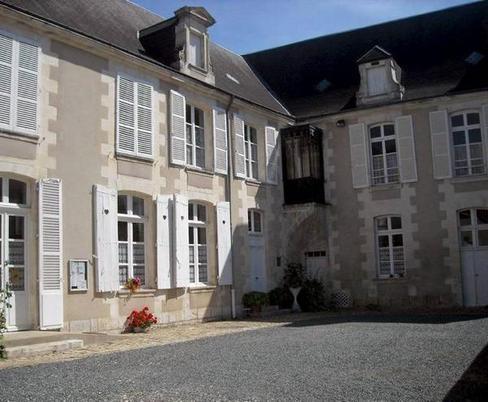
This historic building, constructed in 1619, was the residence of the city bailiffs. Louis XIV stayed here on the night of June 22-23, 1683, during a military inspection tour in Alsace.
Discover this place
Ranrupt · 67
This monument honors French and German soldiers who died in the 1870 and 1914-1918 wars. The military cemetery contains two ossuaries and 24 individual graves.
Discover this place
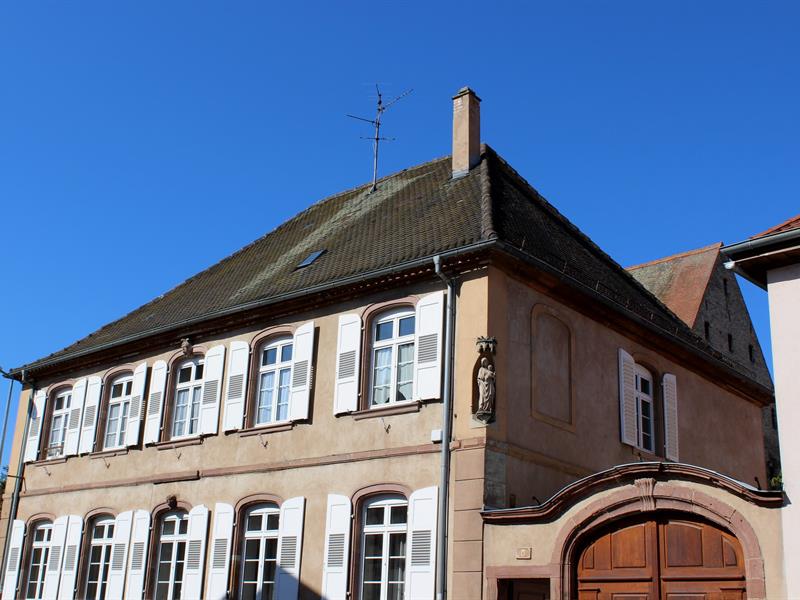
Albé · 67
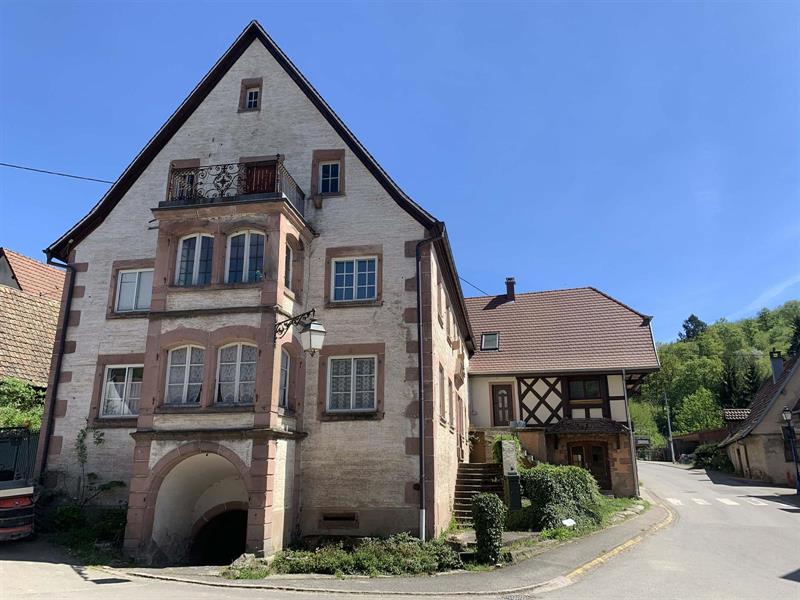
Built in 1726, this small local castle called "Schloessel" impresses with its two-story oriel window and carved medallions. Its architecture blends religious symbols and historical details, like straight or curved lintels from different periods.
Discover this place
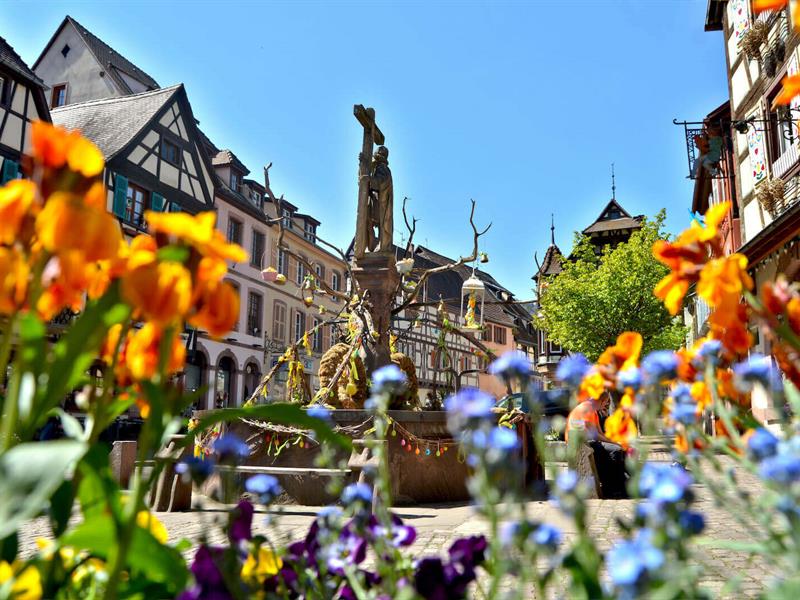
Strasbourg · 67
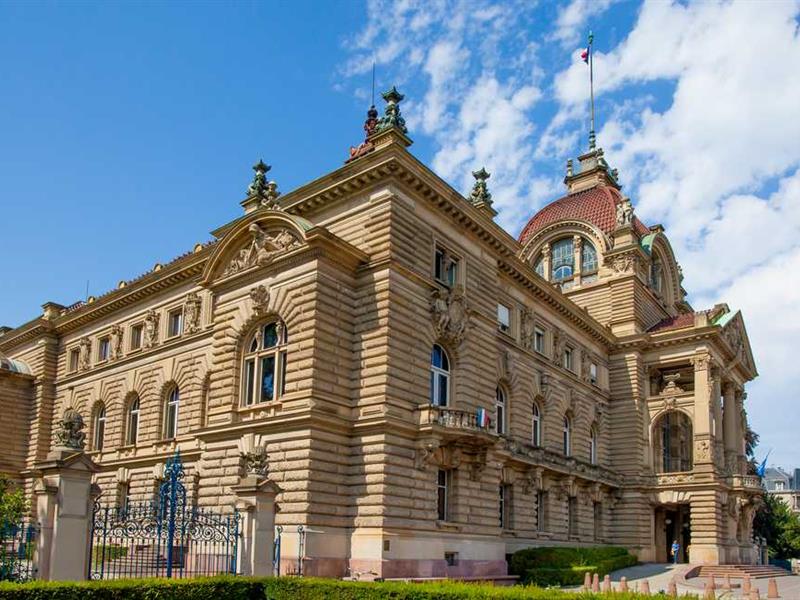
After the destruction of 1870, Strasbourg was rebuilt with a large urban expansion plan approved in 1880. Led by architect J.-G. Conrath, it created a grand official district and residential neighborhoods blending historicist styles and Art Nouveau around wide, tree-lined avenues.
Discover this place
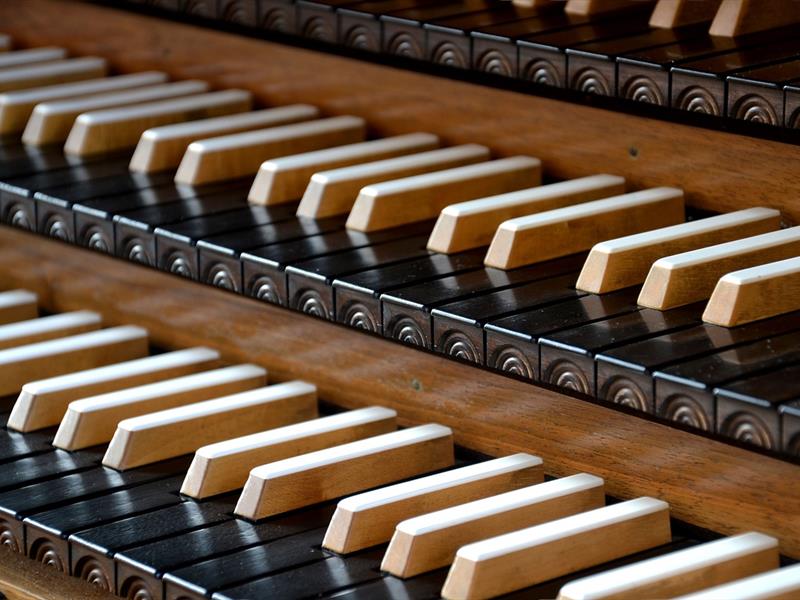
Molsheim · 67
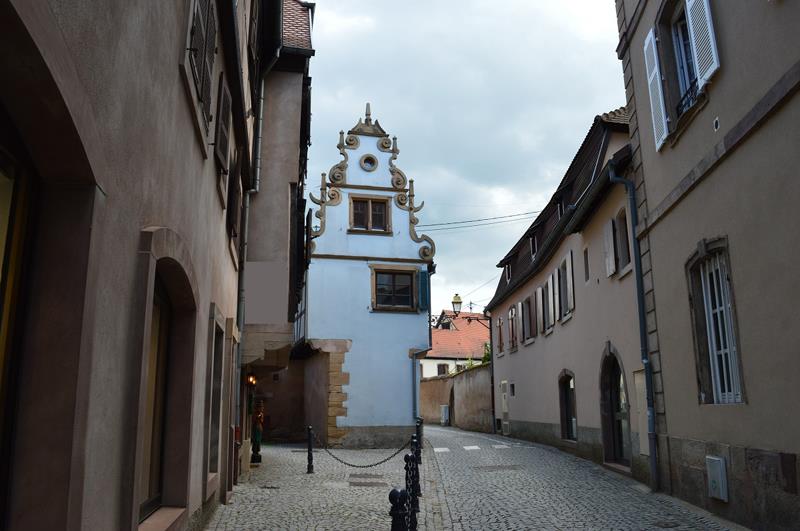
This modest house is the former Girls' school, birthplace of the Congregation of the Sisters of Divine Providence of Ribeauvillé founded in 1783. The building, older than the school, features a Renaissance gable with corbels topped by a sculpted head.
Discover this place
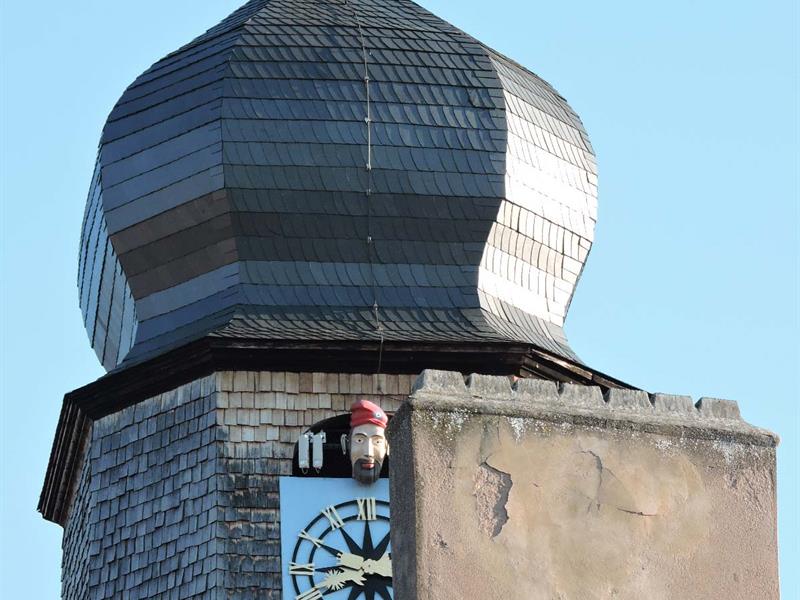
Scherwiller · 67
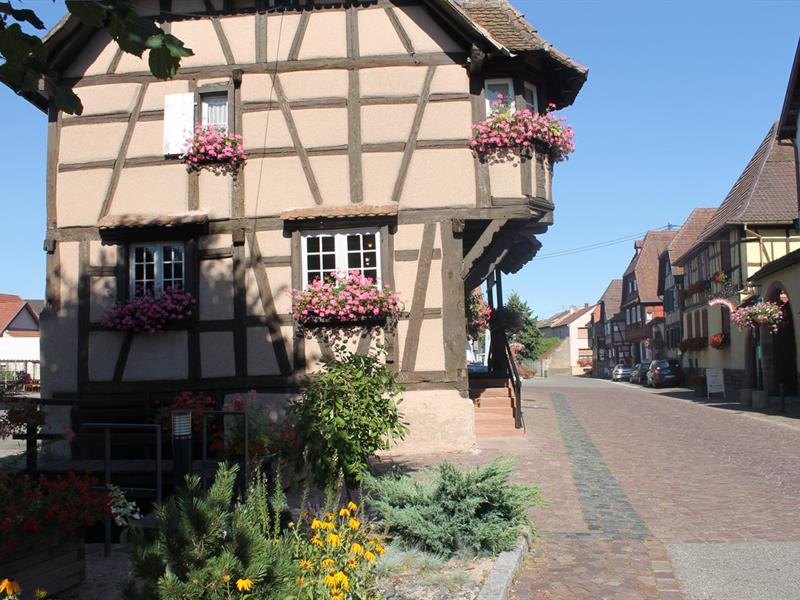
This timber-framed house, built in 1700 by a cooper, features emblematic tools and initials on its oriel. Classified as a historic monument since 1924, it combines Renaissance style with its function as a guardhouse from 1861.
Discover this place
Colmar · 68
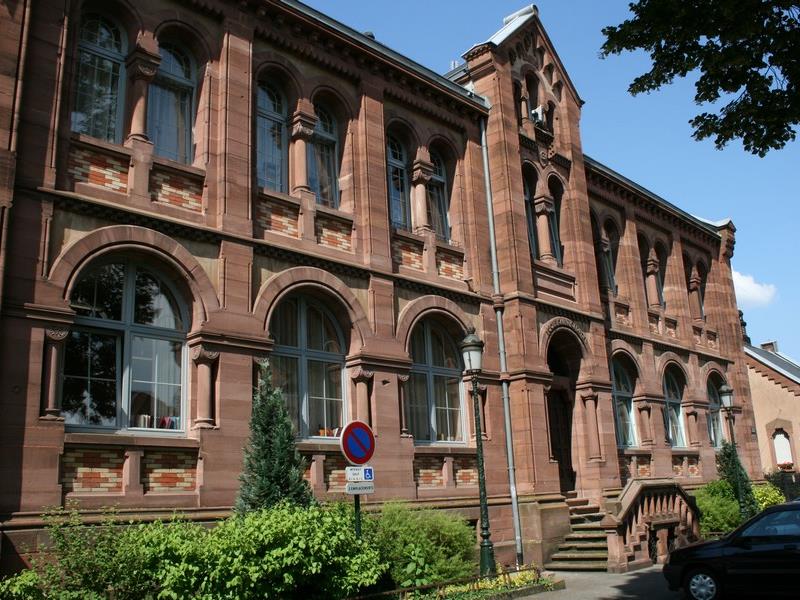
Founded in 1880 and revived in 1890 by Father Etienne Frey, the Saint-Martin Circle in Colmar was a major cultural and sports venue. Its 72-meter building, completed in 1895, blends neo-Romanesque and neo-Gothic styles.
Discover this place
Haguenau · 67
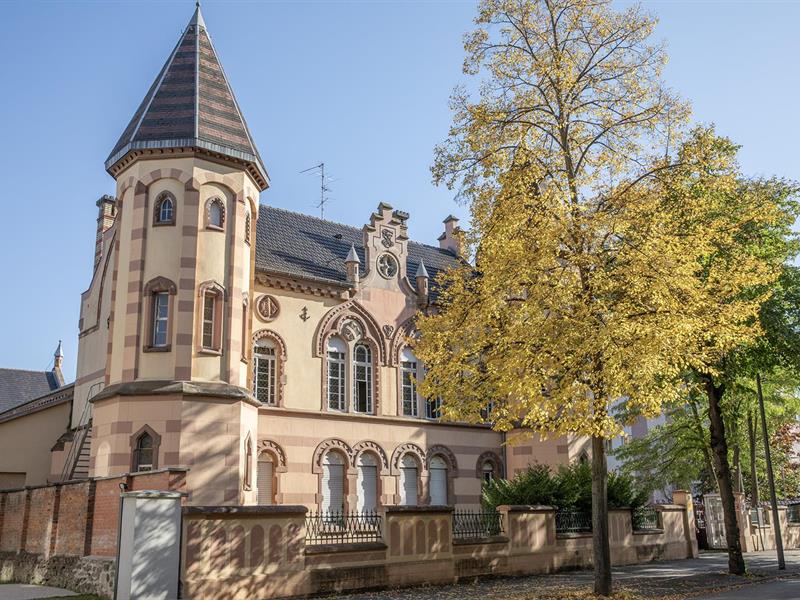
Built in 1880 during Mayor Nessel's term in a neo-Romanesque style, this building draws inspiration from the 12th-century imperial chapel. It evokes the former grandeur of the medieval imperial residence for the people of Haguenau.
Discover this place
Thann · 68
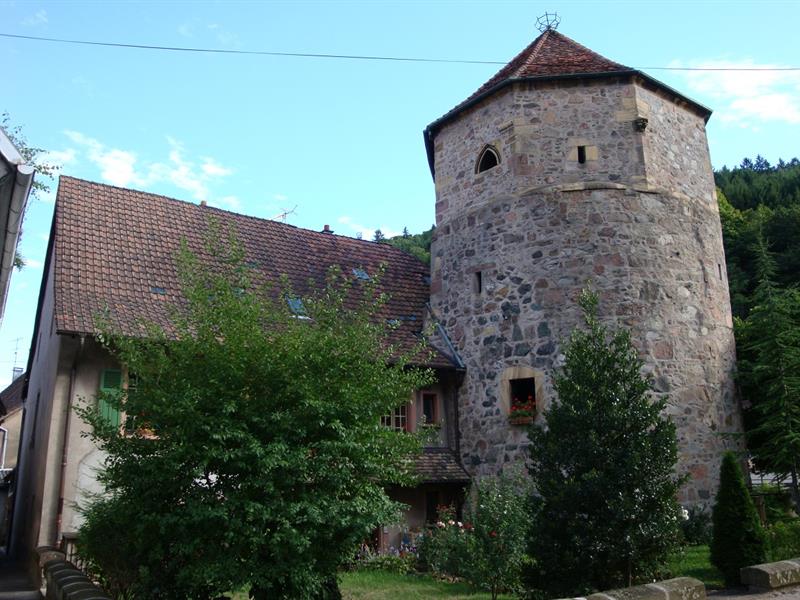
Old rampart tower built in 1360, restored in 1572 and damaged during World War I, it is named after the storks that once nested at its top. Now privately owned, it offers a rare remnant of the city's second defensive wall.
Discover this place

Thann · 68
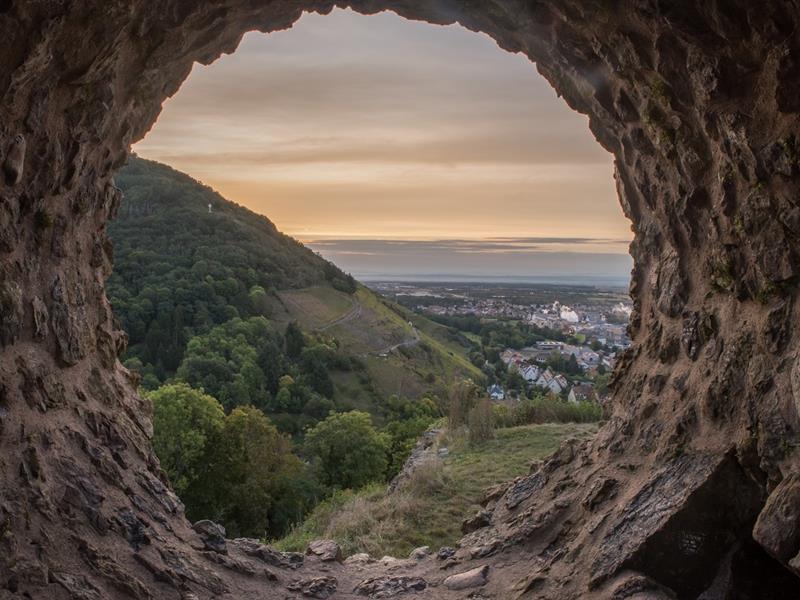
Built from 1224 to oversee a toll, this Alsatian castle was partially destroyed in 1673 by order of Louis XIV. Its ruins, nicknamed "the Witch's Eye," offer a panoramic view of the town and its hills.
Discover this place
Epfig · 67
The presbytery, formerly the Rohan Castle built around 1725 in sandstone, served as a hunting residence. Its coat of arms is on the door lintel, and it features a two-level cellar and a balustraded staircase across three floors.
Discover this place
Kirchheim · 67
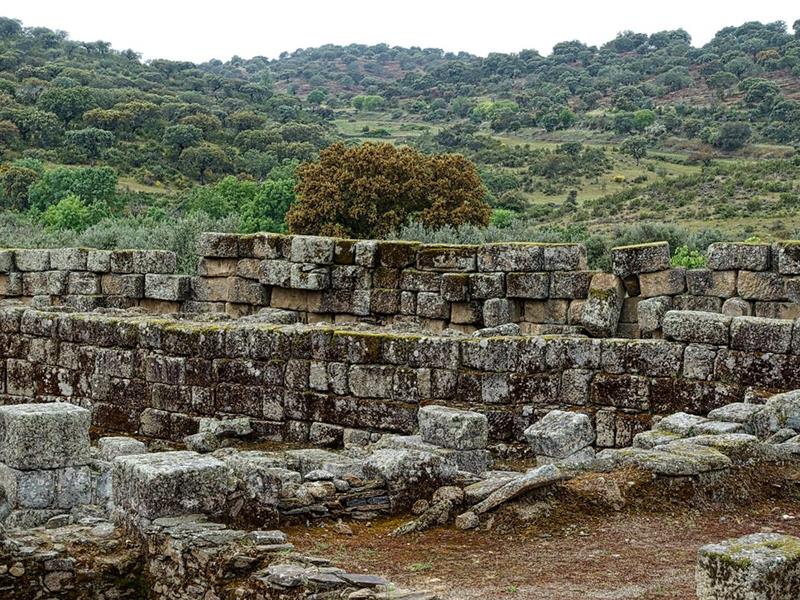
Kirchheim housed a Merovingian palace in the 7th century where Dagobert II and Charles the Fat stayed. Excavations revealed a 100m by 83m quadrilateral with remains now covered and an ancient fresco depicting grape harvesting.
Discover this place
Dambach-la-Ville · 67
The 1547 Town Hall combines Gothic and Renaissance styles with its bell tower and stepped gables. The Bear Fountain, or Stockbrunnen (1543), and the Nartz vault, a medieval house of clog maker Sermonet, complete this historic heritage.
Discover this place
Dingsheim · 67
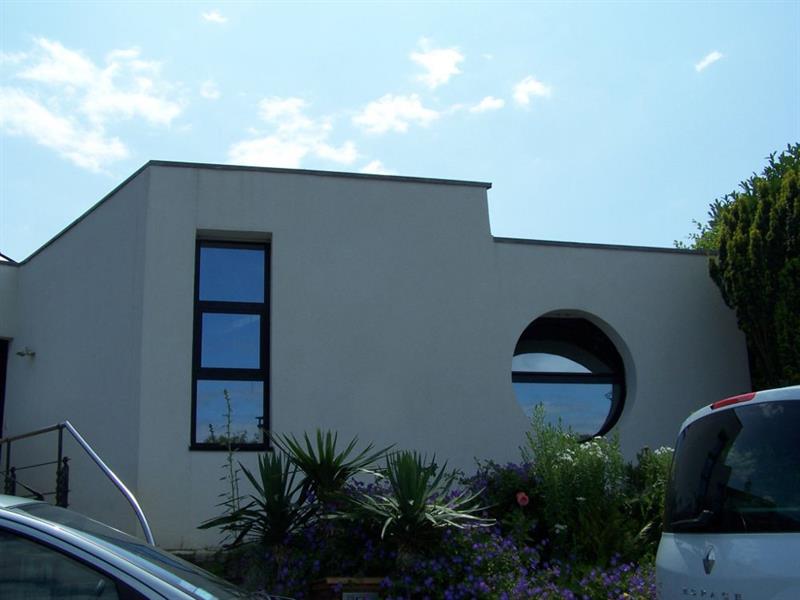
Between 1968 and 1972, Dingsheim saw its first housing development inspired by Le Corbusier. Architect Présenté designed 83 houses, some with roof terraces or central patios, arranged around a shared lawn.
Discover this place
Thann · 68
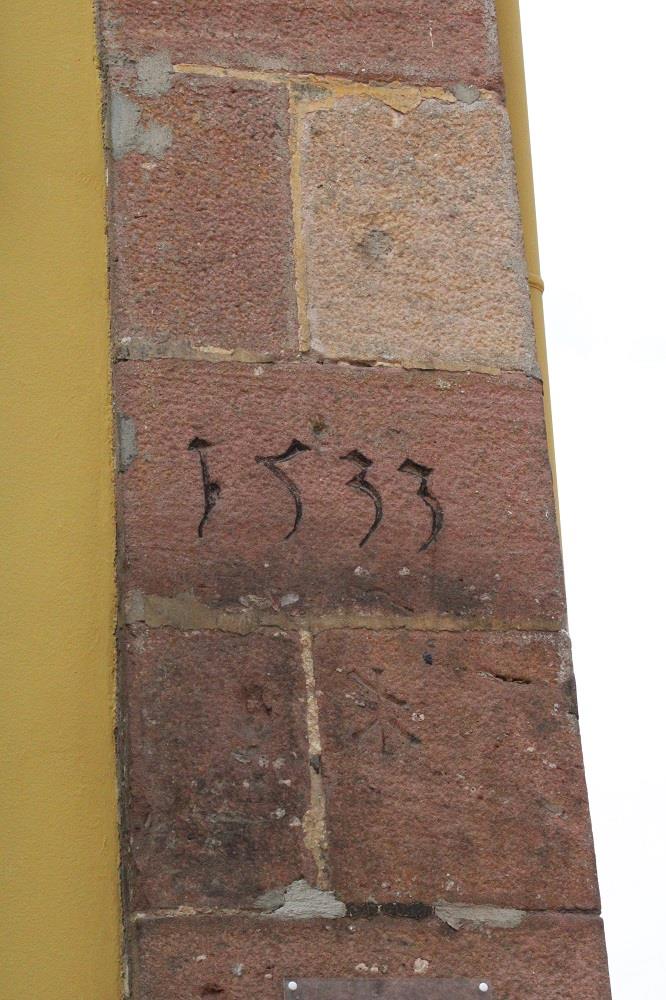
Thann gained the right to mint silver coins in 1387. The city used its own emblem, visible on the facade of a building dated 1533, before extending it to the entire Holy Roman Empire. A replica of the Pilgerthaler, a famous local coin, is displayed at the Tourist Office.
Discover this place
Wissembourg · 67
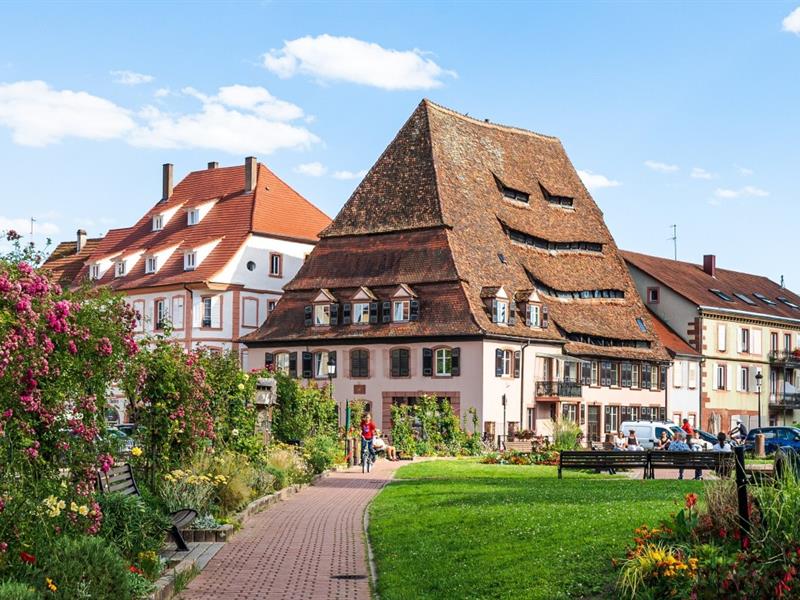
The Maison du Sel, recognizable by its four-level roof, was first a hospital, then a salt depot, and later a slaughterhouse. This private building is not open to the public.
Discover this place

Haguenau · 67
The presbytery of Saint George parish, built in 1754, is notable for its sculptures: a child's head on the ground floor, a helmeted man on the upper floor, and a neo-Gothic statue of the Virgin and Child in a corner niche.
Discover this place
Kaysersberg Vignoble · 68
The Emperor Constantine Fountain, a historic monument since 1932, stands on the church square in Sélestat. Built in 1521 from pink and yellow sandstone, it depicts the Roman Emperor Constantine, known for the Edict of Milan in 313.
Discover this place
Niederhaslach · 67
The organ of St-Florent Collegiate Church, built in 1903 by Martin and Joseph Rinckenbach, has two parts: the grand organ on the right and the choir organ on the left. Several instruments preceded it, including one destroyed in 1633 by the Swedes.
Discover this place
Mutzig · 67
In Mutzig, the Rothüssmann, a 70 cm wooden sculpture in the town hall belfry, has watched over residents since 1972. Once grimacing, it now sticks out its tongue on the hour and moves its ears since 1934.
Discover this placeMulhouse · 68
In 2009, Rue du Sauvage was redesigned with distinctive paving and water jets evoking an old city gate and the vanished waterways of the city.
Discover this place