Rosheim · 67
Remarkable historic buildings
The Town Hall
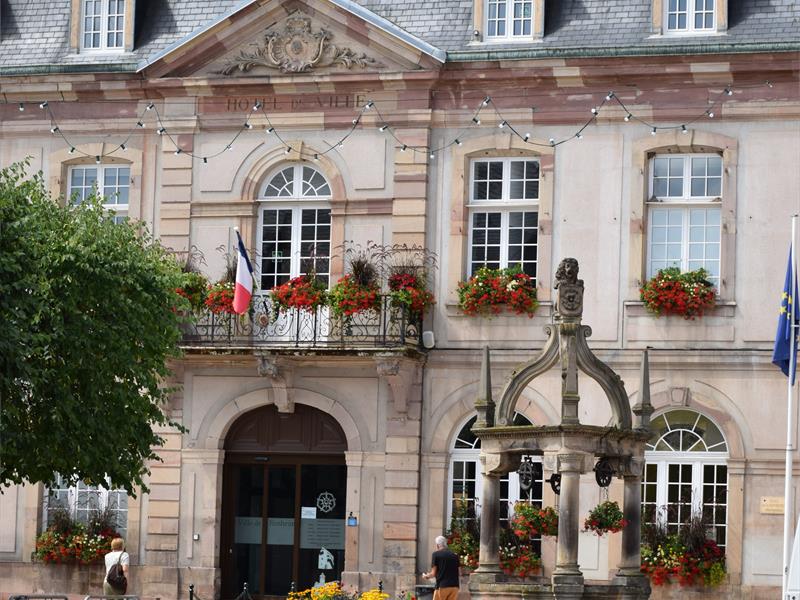
This town hall, built in 1760 in the Regency style and expanded in 1884 with the bailiwick court, stands out for its architectural sobriety and symmetry.
Discover this place idées.outings in Alsace
498 places
Rosheim · 67
This town hall, built in 1760 in the Regency style and expanded in 1884 with the bailiwick court, stands out for its architectural sobriety and symmetry.
Discover this place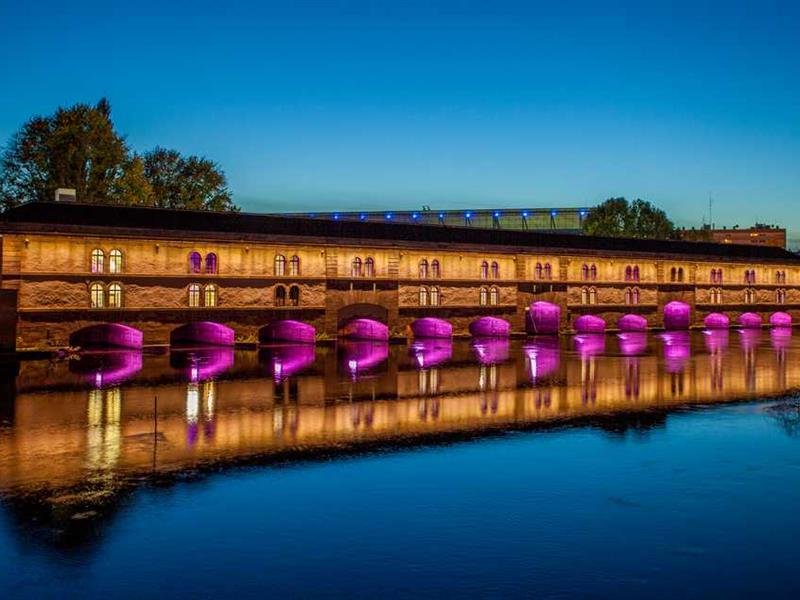
Strasbourg · 67
A few steps from the Covered Bridges, the Vauban Dam, built around 1690, offers a panoramic terrace with views of the city's layout and its canals.
Discover this place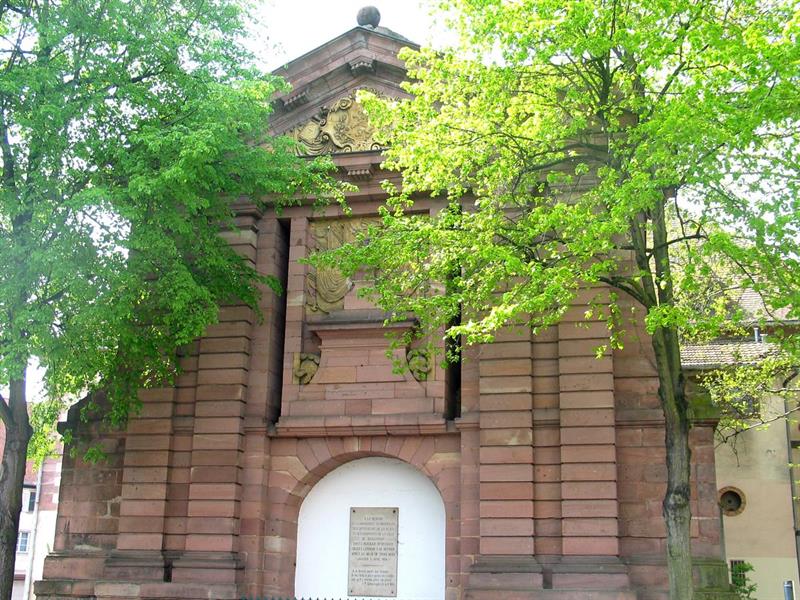
Sélestat · 67
Built in 1679 by Vauban and Tarade, this fortified gate of pink sandstone and bricks is the last remnant of the city's ramparts. A plaque commemorates the 1814 siege, placed in 1919.
Discover this place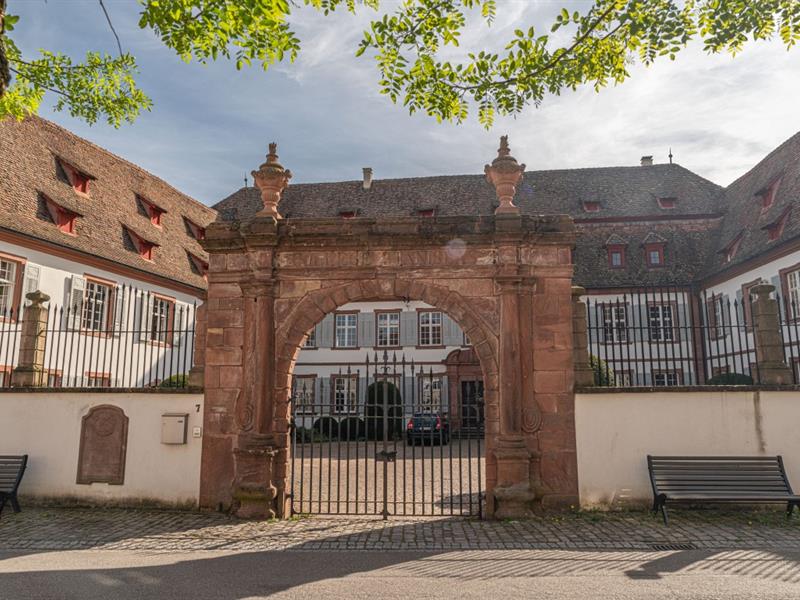
Wissembourg · 67
Stanislas Palace was the residence of King Stanislas Leszczynski from 1719 to 1725, the year his daughter Marie married Louis XV.
Discover this place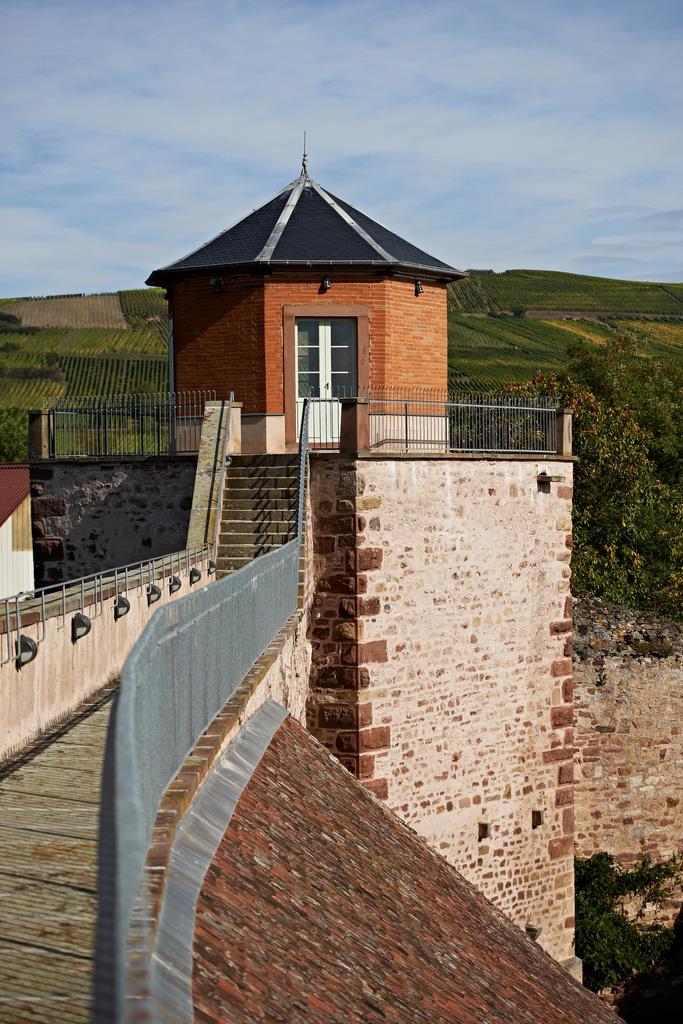
Westhoffen · 67
Founded in 1332, Westhoffen features medieval ramparts 520 m long, six towers, and two gates. A red brick gloriette and the old Saint-Erhard Church, integrated into the walls, make it an iconic site. Visits by appointment or free access until the end of September.
Discover this place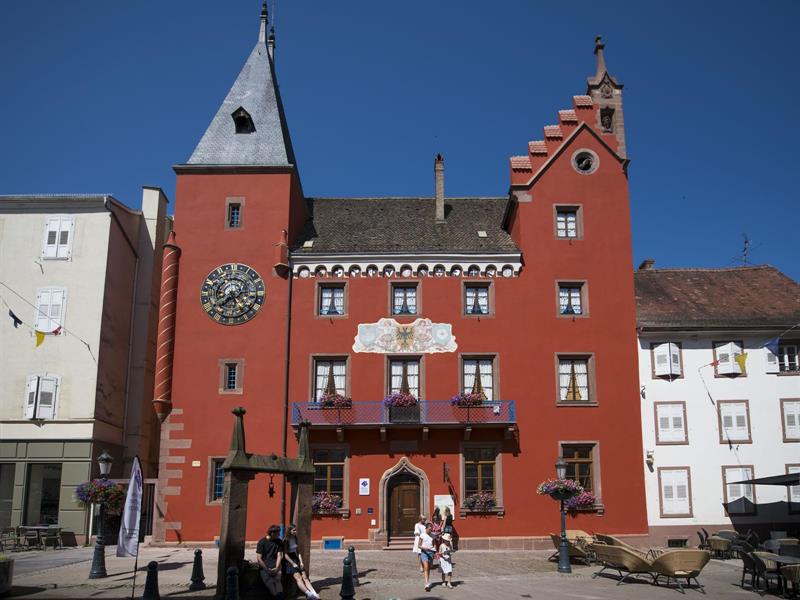
Haguenau · 67
The Old Chancellery of Haguenau, a 15th-century architectural gem, features a neo-Gothic facade adorned with coats of arms and elegant towers. It now houses the Tourist Office and the Alsatian Museum, rich in traditional costumes, objects, and typical interior reconstructions.
Discover this place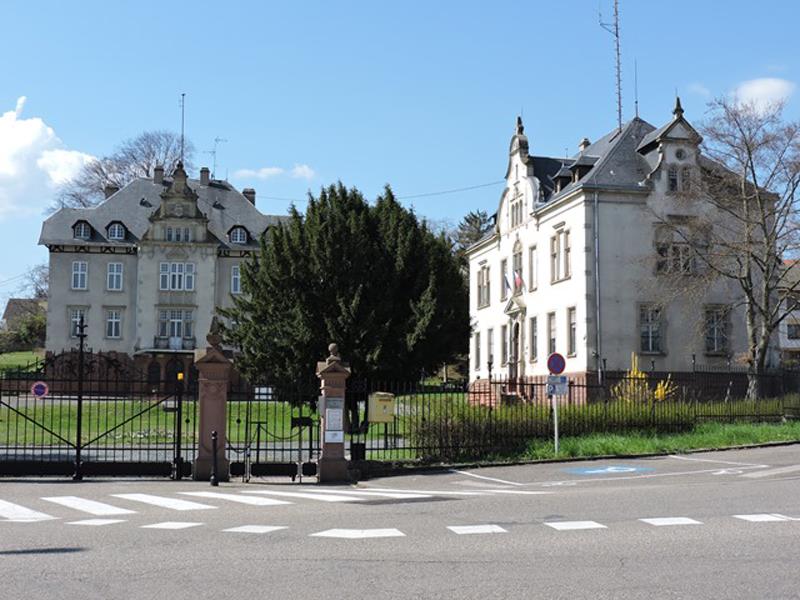
Molsheim · 67
Molsheim, district capital after the 1870-1871 war, houses several buildings from the Wilhelm era, including its sub-prefecture.
Discover this place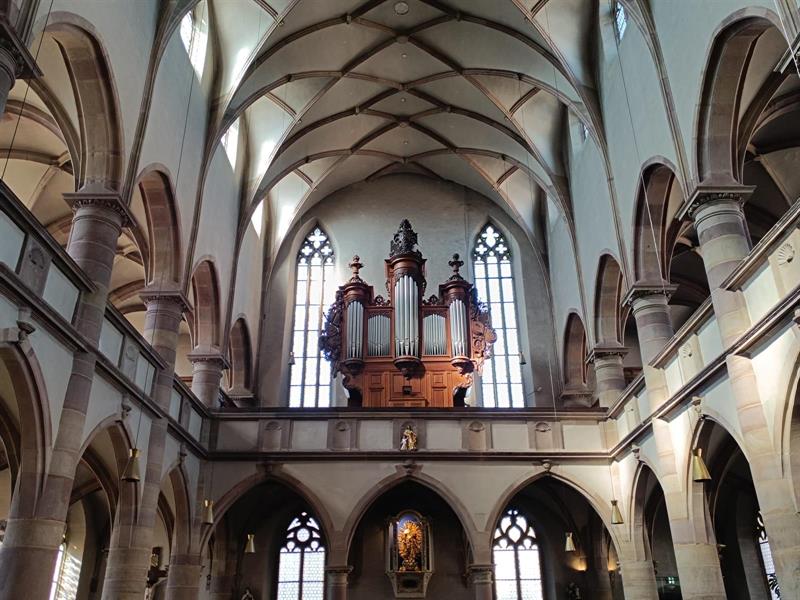
Molsheim · 67
The organ of the Jesuit Church in Molsheim, built by Silbermann in 1781, has 22 stops and a unique echo keyboard in Alsace. Its case, decorated with musical instruments and a finial representing Molsheim's wheel, is a masterpiece classified as a historic monument.
Discover this place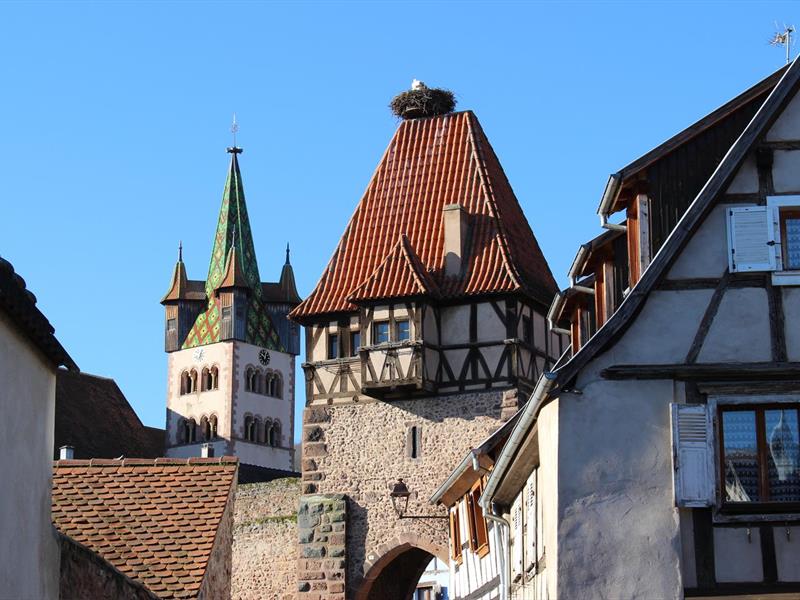
Châtenois · 67
The Witches' Tower, a 15th-century Gothic gate remodeled in 1830, is a historic symbol of Châtenois marked by witch trials. Visible from the outside, it withstood a cannonball in 1870.
Discover this place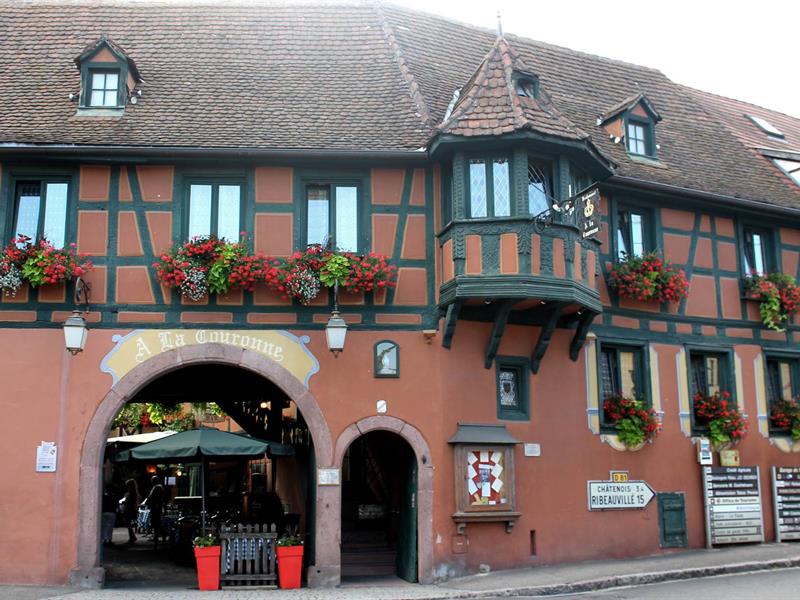
Scherwiller · 67
Former 18th-century cooper's farmhouse turned restaurant, featuring a listed watchtower and carved emblems. Only visible from the outside.
Discover this place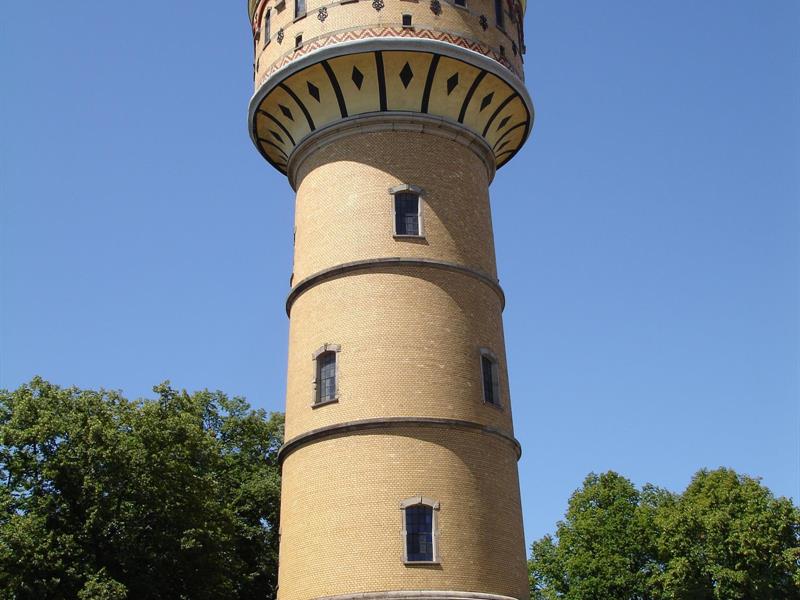
Sélestat · 67
Built in 1906 to meet military needs, this water tower is the first link in Sélestat's drinking water network. Still in use, it can only be visited from the outside.
Discover this place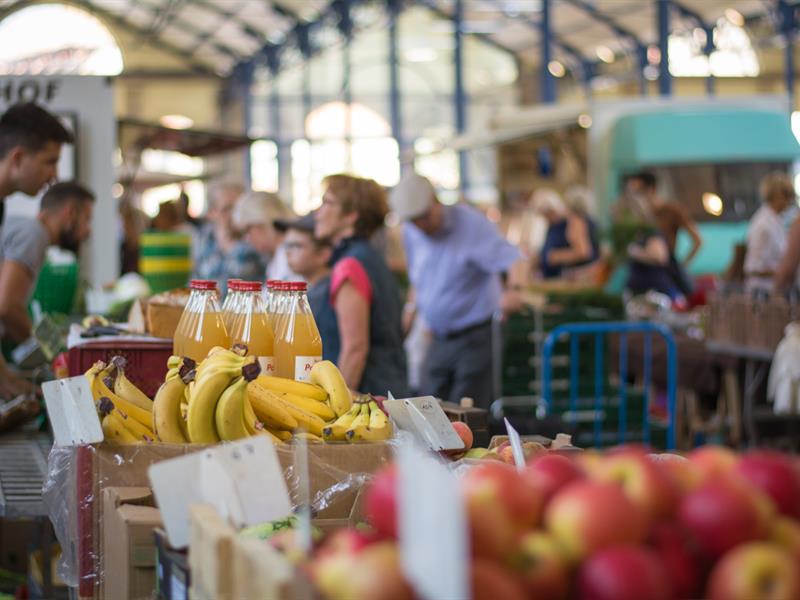
Haguenau · 67
La Halle aux Houblons, built in 1867 and expanded in 1881, is a landmark covered market in Haguenau. It now hosts a weekly market and cultural events, including dinner shows during the Hop Festival.
Discover this place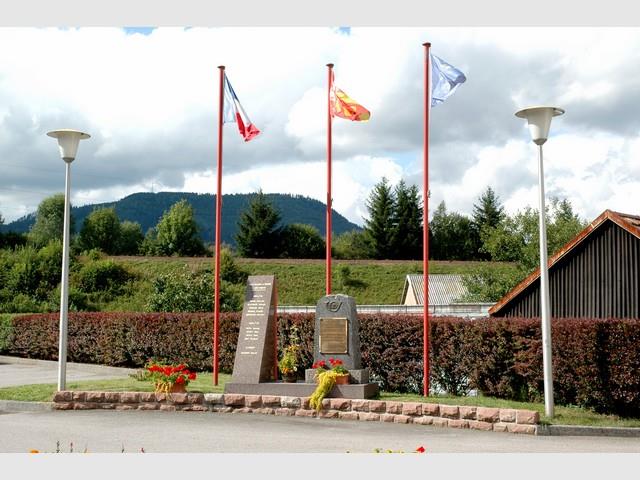
Saint-Blaise-la-Roche · 67
A stele in the heart of the village recalls the battle of August 14, 1914, where the 1st Battalion of Foot Chasseurs captured 500 German soldiers, along with their flags and cannons.
Discover this place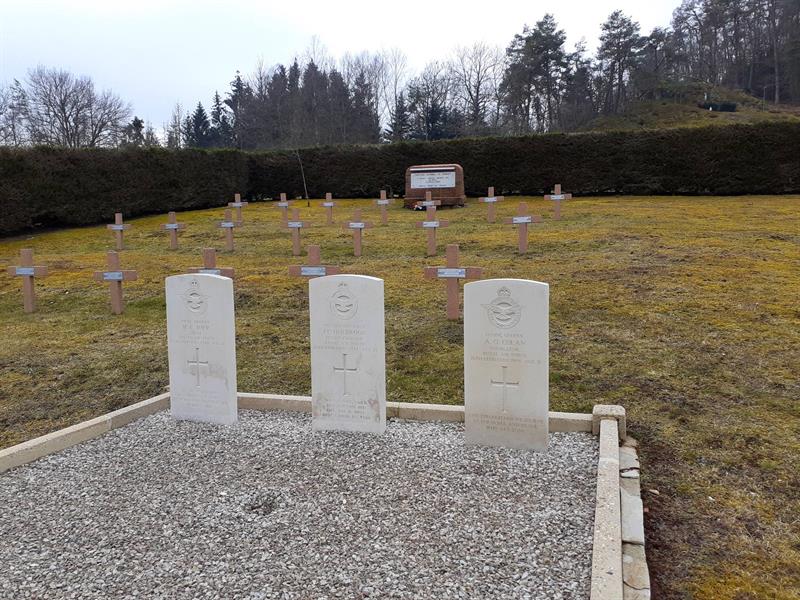
Ranrupt · 67
This monument honors French and German soldiers who died in the 1870 and 1914-1918 wars. The military cemetery contains two ossuaries and 24 individual graves.
Discover this place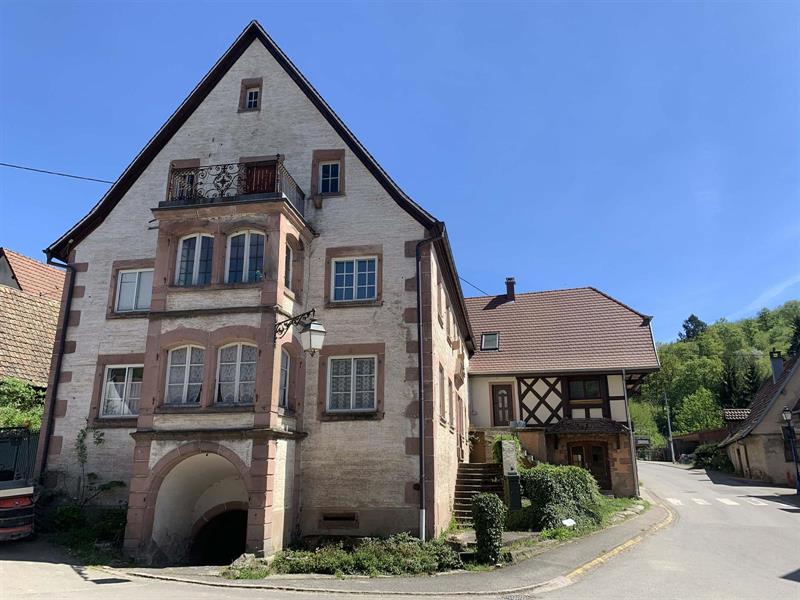
Albé · 67
Built in 1726, this small local castle called "Schloessel" impresses with its two-story oriel window and carved medallions. Its architecture blends religious symbols and historical details, like straight or curved lintels from different periods.
Discover this place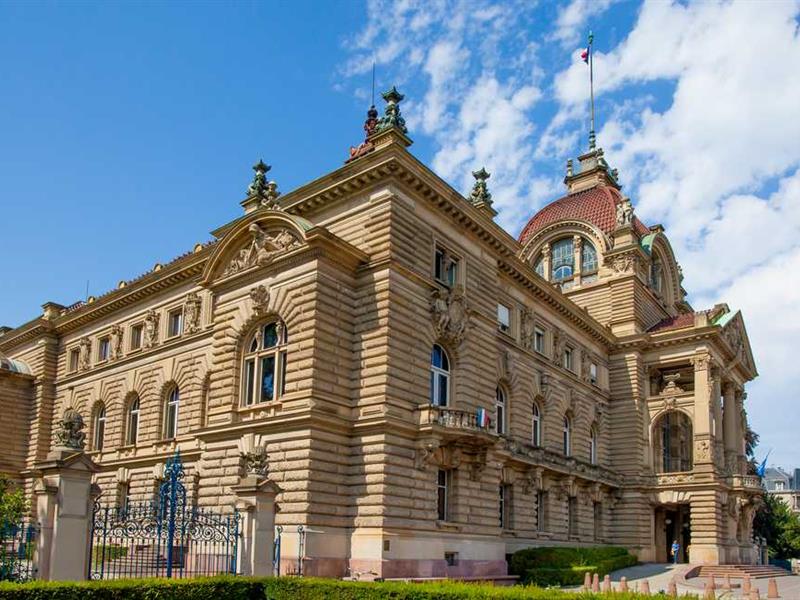
Strasbourg · 67
After the destruction of 1870, Strasbourg was rebuilt with a large urban expansion plan approved in 1880. Led by architect J.-G. Conrath, it created a grand official district and residential neighborhoods blending historicist styles and Art Nouveau around wide, tree-lined avenues.
Discover this place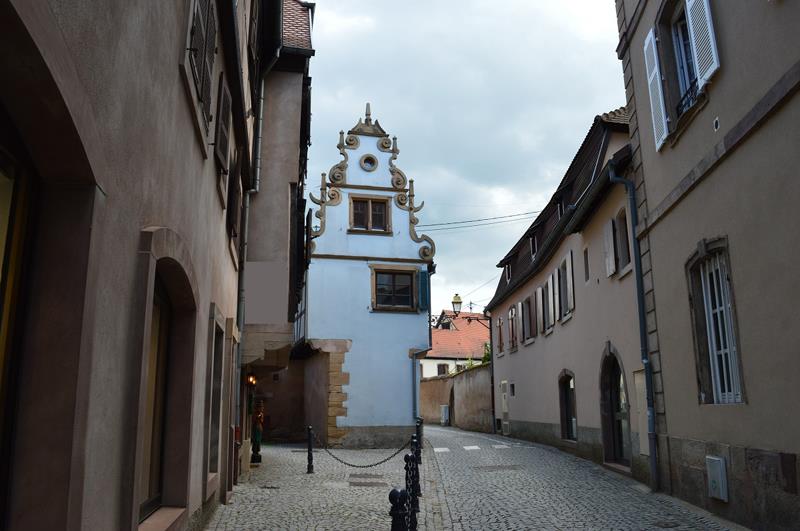
Molsheim · 67
This modest house is the former Girls' school, birthplace of the Congregation of the Sisters of Divine Providence of Ribeauvillé founded in 1783. The building, older than the school, features a Renaissance gable with corbels topped by a sculpted head.
Discover this place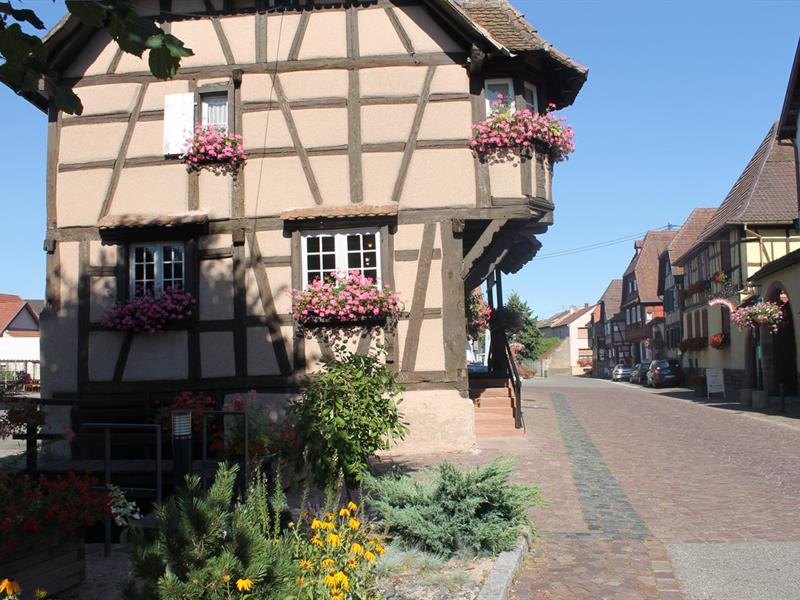
Scherwiller · 67
This timber-framed house, built in 1700 by a cooper, features emblematic tools and initials on its oriel. Classified as a historic monument since 1924, it combines Renaissance style with its function as a guardhouse from 1861.
Discover this place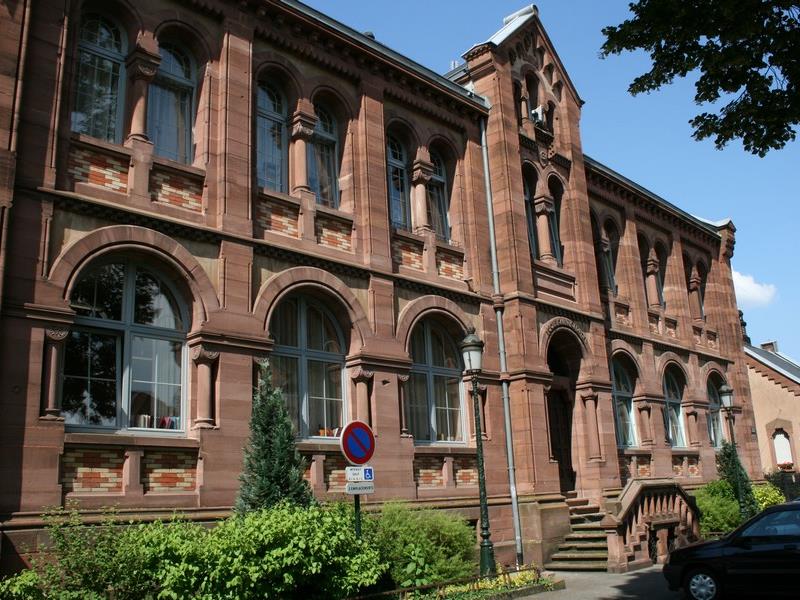
Haguenau · 67
Built in 1880 during Mayor Nessel's term in a neo-Romanesque style, this building draws inspiration from the 12th-century imperial chapel. It evokes the former grandeur of the medieval imperial residence for the people of Haguenau.
Discover this place
Epfig · 67
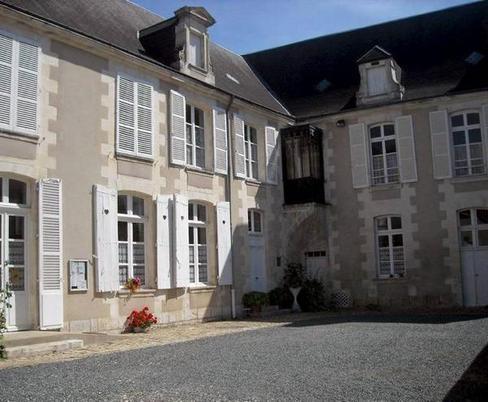
The presbytery, formerly the Rohan Castle built around 1725 in sandstone, served as a hunting residence. Its coat of arms is on the door lintel, and it features a two-level cellar and a balustraded staircase across three floors.
Discover this place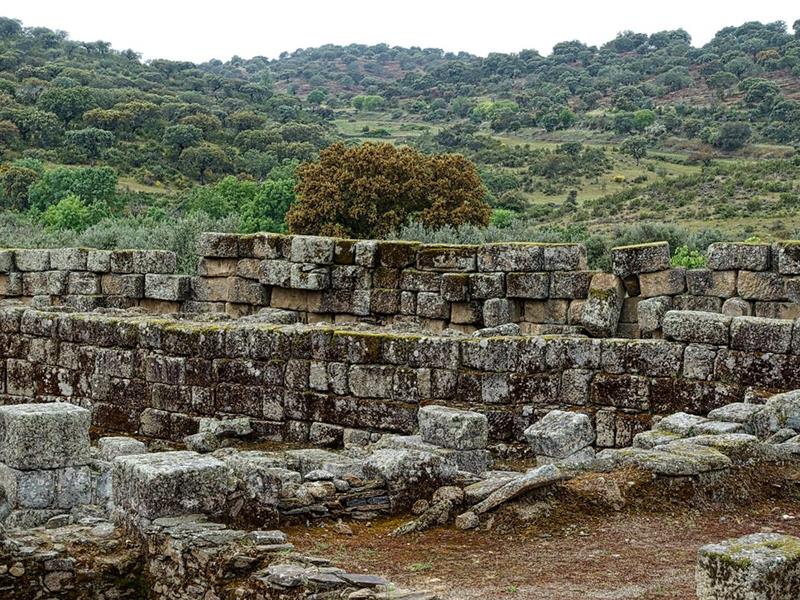
Kirchheim · 67
Kirchheim housed a Merovingian palace in the 7th century where Dagobert II and Charles the Fat stayed. Excavations revealed a 100m by 83m quadrilateral with remains now covered and an ancient fresco depicting grape harvesting.
Discover this place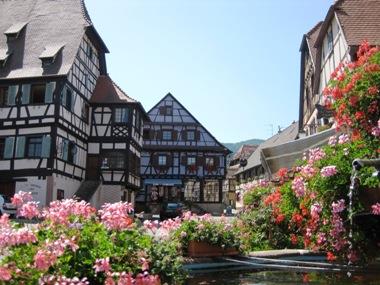
Dambach-la-Ville · 67
The 1547 Town Hall combines Gothic and Renaissance styles with its bell tower and stepped gables. The Bear Fountain, or Stockbrunnen (1543), and the Nartz vault, a medieval house of clog maker Sermonet, complete this historic heritage.
Discover this place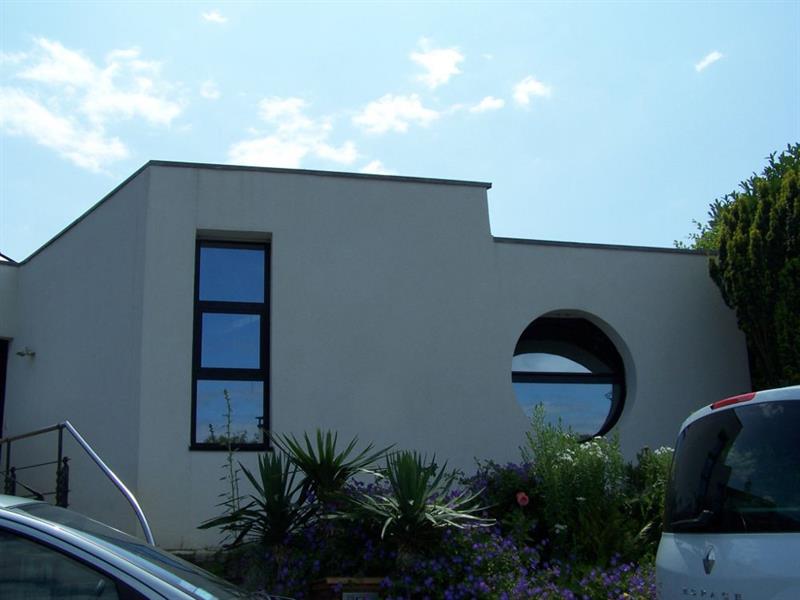
Dingsheim · 67
Between 1968 and 1972, Dingsheim saw its first housing development inspired by Le Corbusier. Architect Présenté designed 83 houses, some with roof terraces or central patios, arranged around a shared lawn.
Discover this place