Molsheim · 67
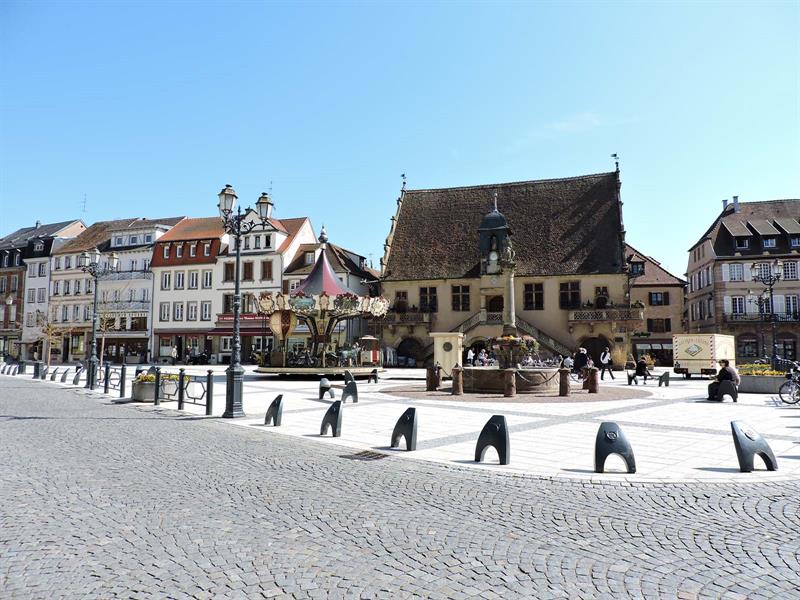
La Metzig - Former Grand Butcher Shop
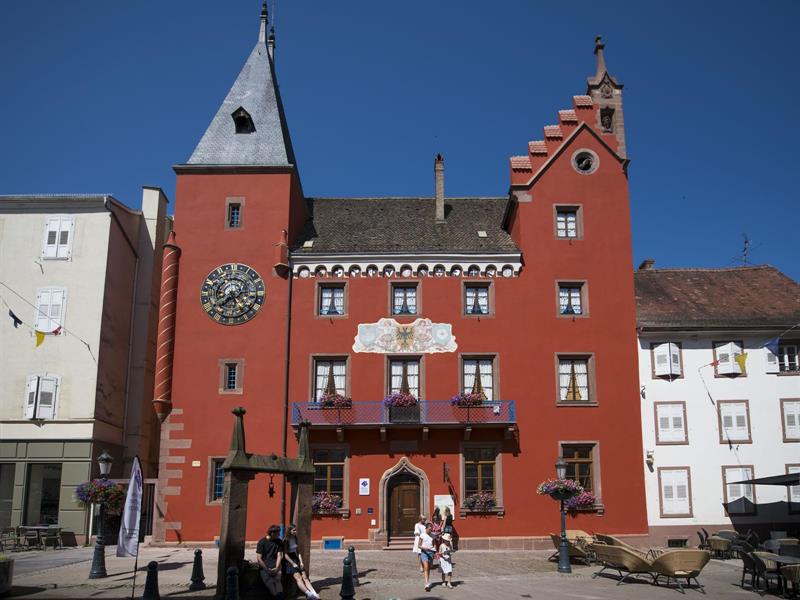
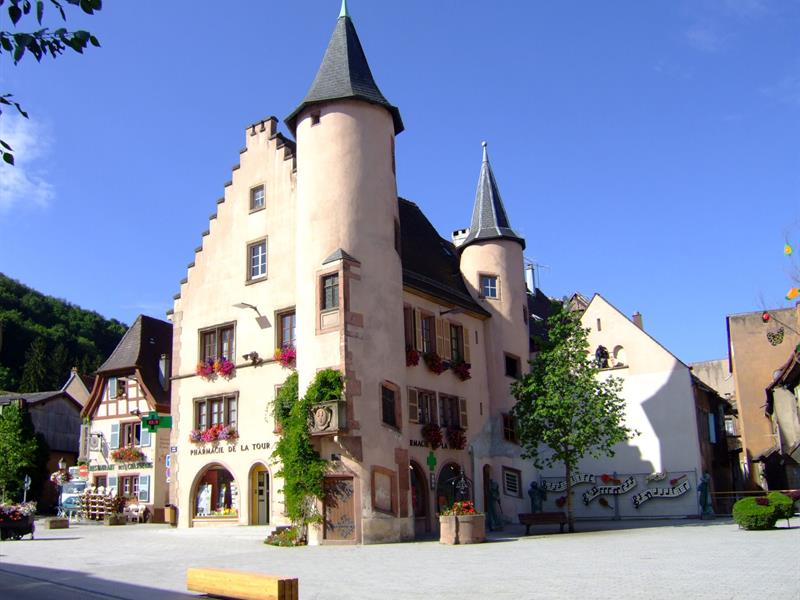
La Metzig, a 16th-century Renaissance butcher shop in Molsheim, is an architectural gem with its turreted staircase façade, jacquemart clock, and colonnaded hall.
Discover this place290 places
Molsheim · 67
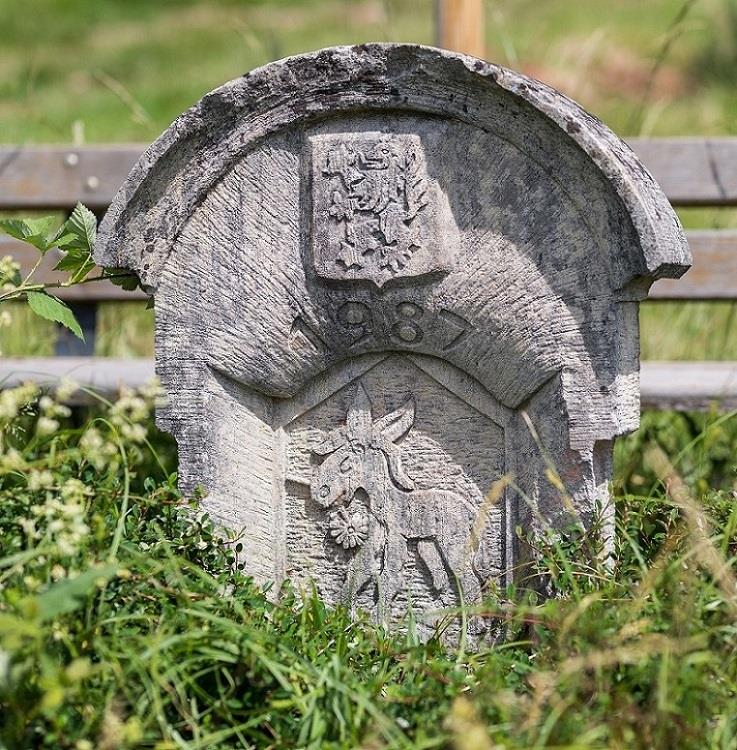
La Metzig, a 16th-century Renaissance butcher shop in Molsheim, is an architectural gem with its turreted staircase façade, jacquemart clock, and colonnaded hall.
Discover this place
Dingsheim · 67
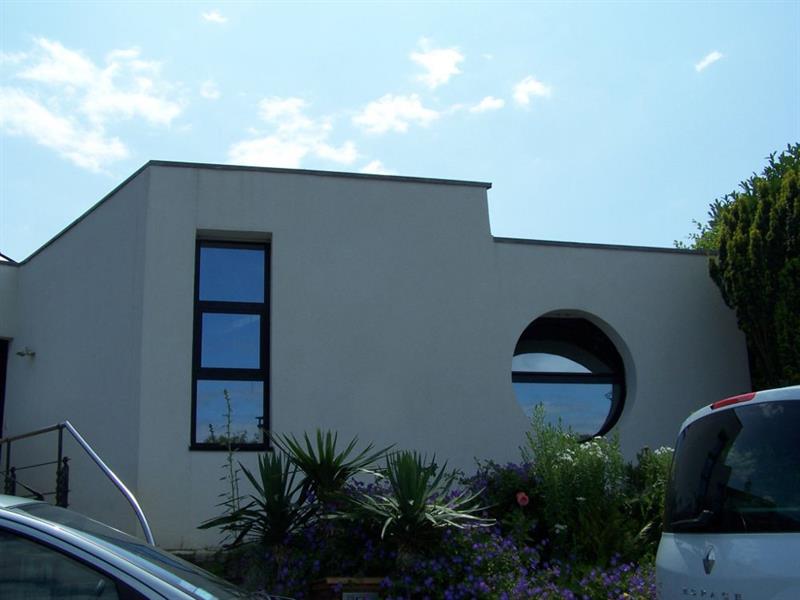
Between 1968 and 1972, Dingsheim saw its first housing development inspired by Le Corbusier. Architect Présenté designed 83 houses, some with roof terraces or central patios, arranged around a shared lawn.
Discover this place
Kembs · 68
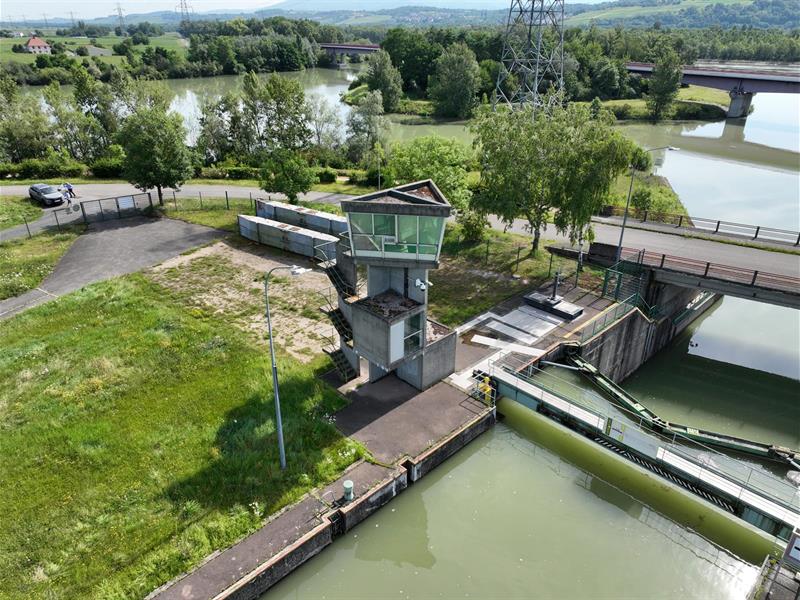
Discover in Kembs the only Alsatian work by Le Corbusier: the Kembs-Niffer lock, a 1960s architectural achievement blending aesthetics and functionality, still operational and open to visitors.
Discover this place
Strasbourg · 67
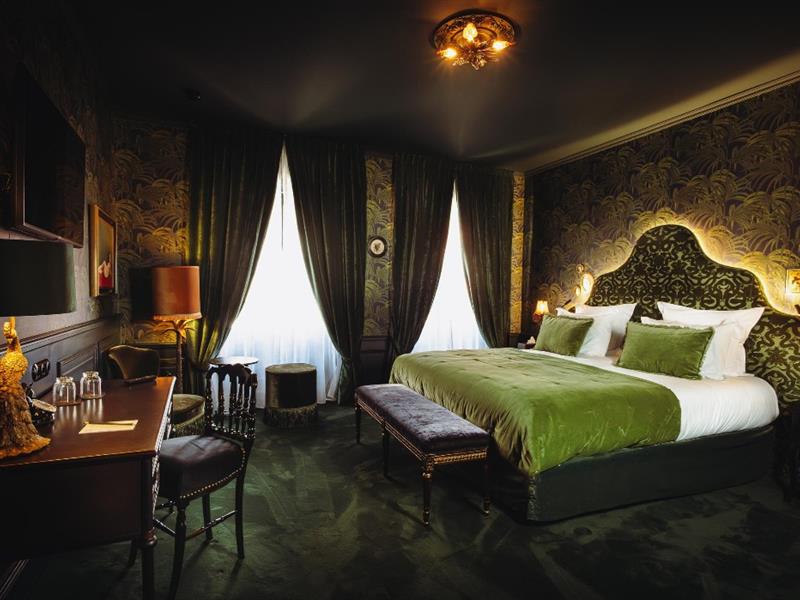
In a discreet private mansion in central Strasbourg, Madame C offers an intimate setting blending a cocktail bar, restaurant, and event spaces inspired by the Belle Époque, where hedonism is cultivated with refinement.
Discover this place
Dambach-la-Ville · 67
The 1547 Town Hall combines Gothic and Renaissance styles with its bell tower and stepped gables. The Bear Fountain, or Stockbrunnen (1543), and the Nartz vault, a medieval house of clog maker Sermonet, complete this historic heritage.
Discover this place
Cernay · 68
This historic building, constructed in 1619, was the residence of the city bailiffs. Louis XIV stayed here on the night of June 22-23, 1683, during a military inspection tour in Alsace.
Discover this place
Duttlenheim · 67
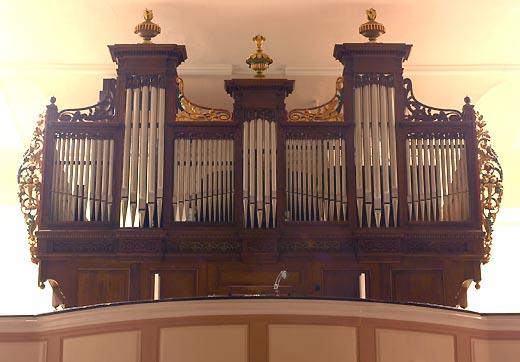
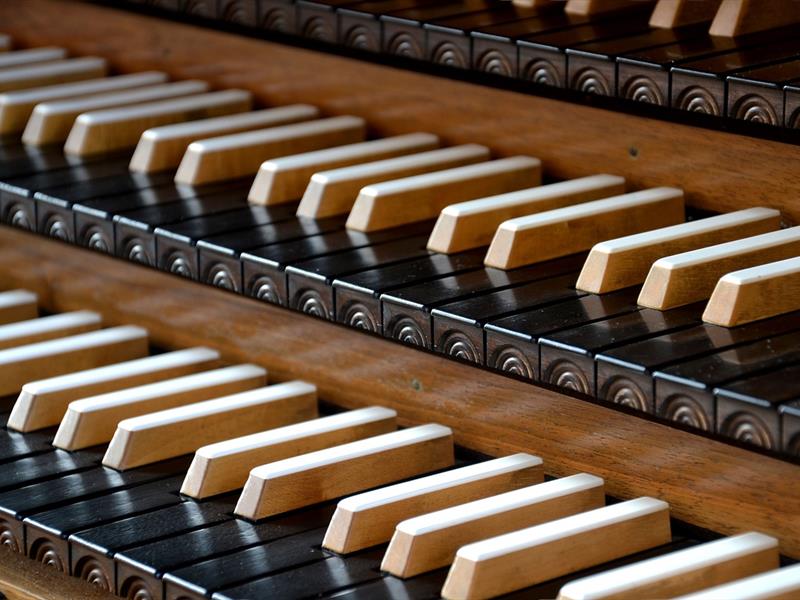
The organ of Saint-Louis church, attributed to Michel Stiehr (1817), was extensively modified by Koulen (1882), Kriess (1920), and the Steinmetz brothers (1983). Its oak case, with four flat fronts and three turrets, partly dates from 1920.
Discover this place

Thann · 68
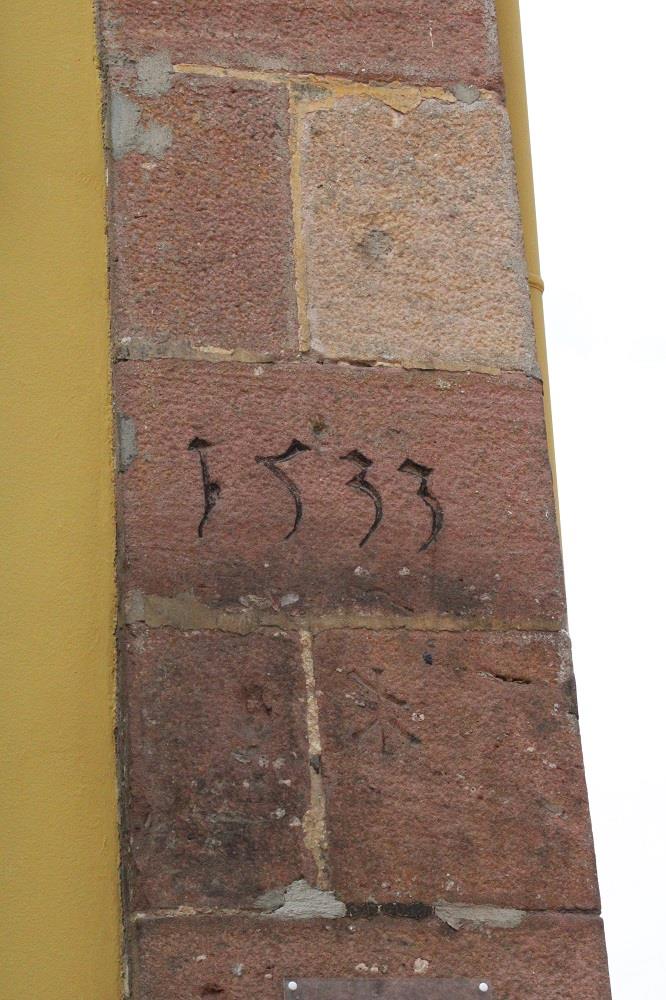
Thann gained the right to mint silver coins in 1387. The city used its own emblem, visible on the facade of a building dated 1533, before extending it to the entire Holy Roman Empire. A replica of the Pilgerthaler, a famous local coin, is displayed at the Tourist Office.
Discover this place
Kaysersberg Vignoble · 68
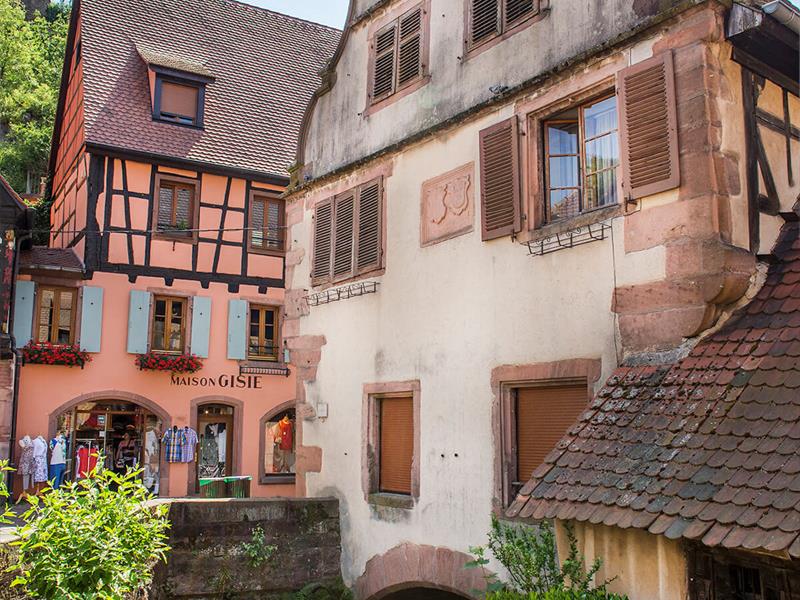
Old public butcher shop rebuilt in 1616, this sandstone and timber-framed trading place overlooked the mill canal. The slaughterhouse was once in the house at the corner of the fortified bridge and Bains Street.
Discover this place
Marckolsheim · 67
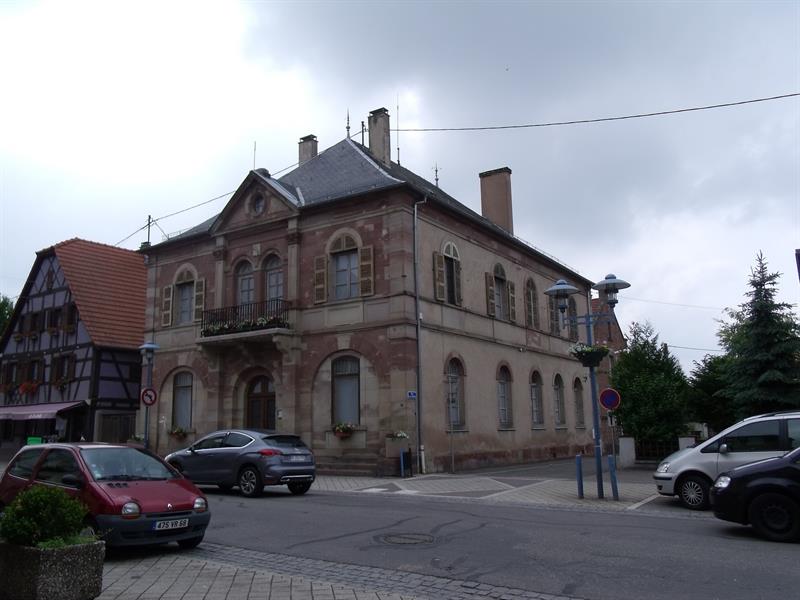
The Marckolsheim cantonal court is housed in a 19th-century stone building. It contains the justice of the peace's office and courtroom, formerly located in the Town Hall. At the back is the old prison from the same era.
Discover this place
Haguenau · 67
The Old Chancellery of Haguenau, a 15th-century architectural gem, features a neo-Gothic facade adorned with coats of arms and elegant towers. It now houses the Tourist Office and the Alsatian Museum, rich in traditional costumes, objects, and typical interior reconstructions.
Discover this place
Cernay · 68
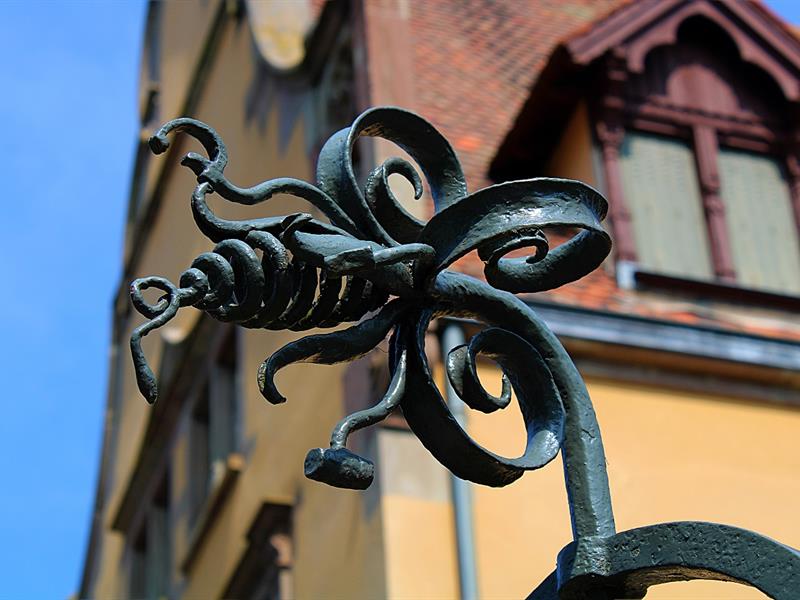
This neo-Renaissance building, constructed around 1900, features wrought iron grilles symbolizing local trades. Its cellars housed an auxiliary hospital during the winter of 1944-1945.
Discover this place
Strasbourg · 67
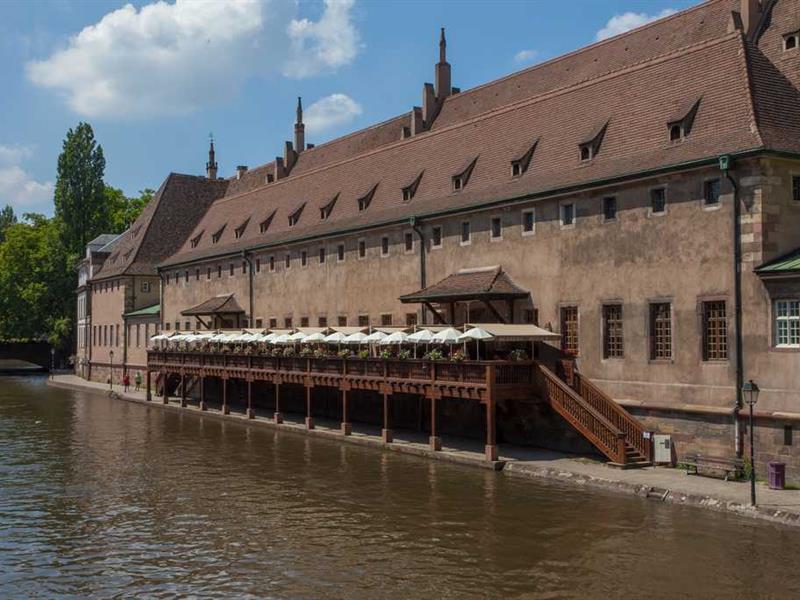
Strasbourg, a major trading hub since the 12th century due to its waterways, houses a medieval warehouse built in 1358 to tax goods. Destroyed in 1944, it was rebuilt in the 1960s, restoring its original appearance.
Discover this place
Haguenau · 67
Built in 1518 on the former Moder River, this customs house controlled goods. Its 19th-century sundial, a "Golden Barrel" sign, and flood marks recall its history. Today, it hosts events.
Discover this place
Colmar · 68
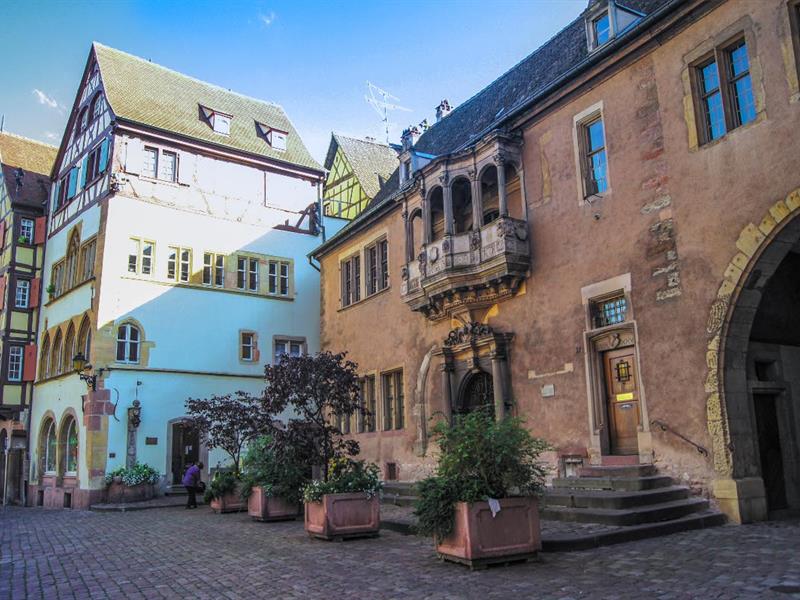
This Upper Rhine Renaissance building, remodeled in 1575, was first a chapel then a town hall. Its decorated loggia and portal form an architectural gem. It housed a market, justice court, and public services.
Discover this place
Ensisheim · 68
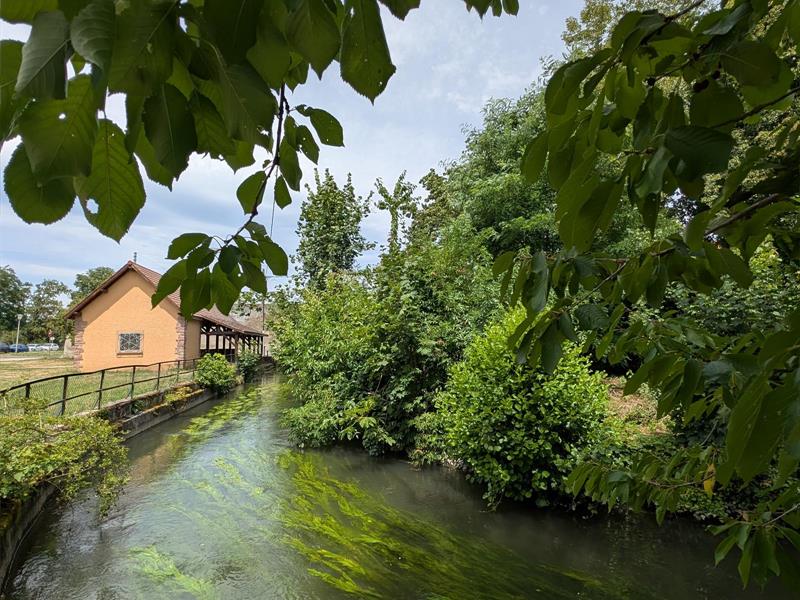
Built in the 19th century, Alsatian washhouses line the rivers. The restored Ensisheim washhouse borders the Quatelbach and opens onto a walk along the town's ramparts.
Discover this place
Siltzheim · 67
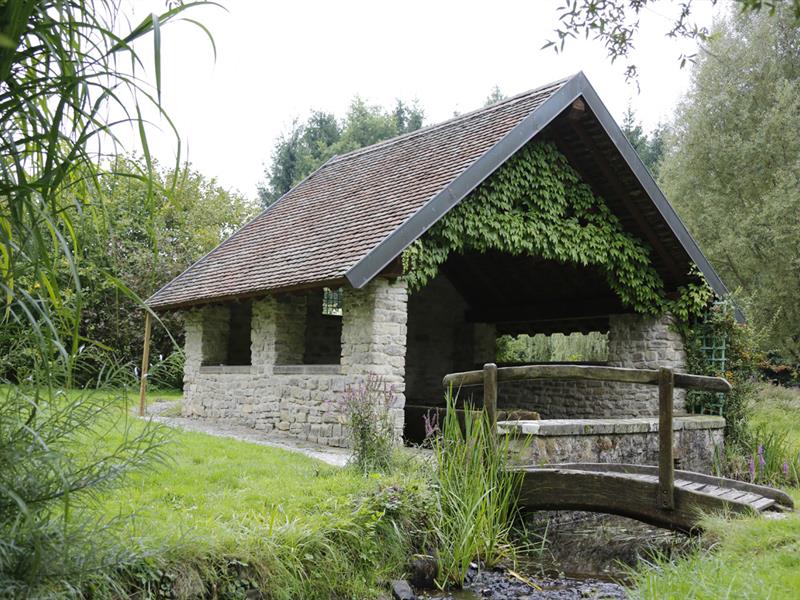
The association Les Amis du Gutebrunne et du Patrimoine de Siltzheim, founded in 1999, restored the old washhouse and its surroundings. It organizes an annual festival in June and ensures the site's upkeep.
Discover this place
Niederhaslach · 67
The organ of St-Florent Collegiate Church, built in 1903 by Martin and Joseph Rinckenbach, has two parts: the grand organ on the right and the choir organ on the left. Several instruments preceded it, including one destroyed in 1633 by the Swedes.
Discover this place
Eguisheim · 68
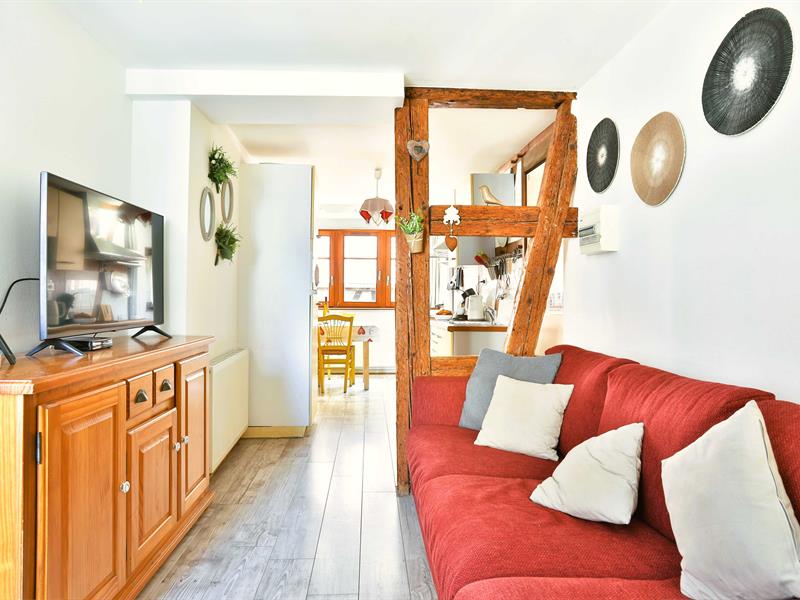
Cottage for 2 to 4 people in Eguisheim on the Alsace Wine Route, with 2 bedrooms, bathroom, equipped kitchen, terrace, and free parking. Hosts speak French, German, or English.
Discover this place
Sainte-Marie-aux-Mines · 68
This Renaissance building with two turrets on Keufer Square in Sainte-Marie-aux-Mines once housed the mining administration and town hall. A central turret contains a silver-bearing galena block commemorating the 16th-century discovery of a 600 kg silver block.
Discover this place
Haguenau · 67
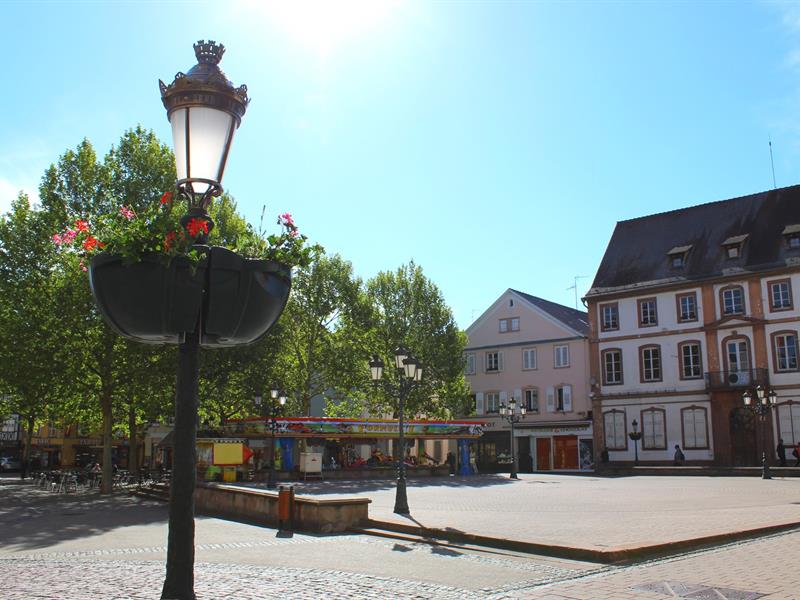
The Hôtel du Préteur Royal, built after Haguenau lost its free city status in the 17th century, housed the town hall and then the court. This iconic site now hosts the city’s major cultural and folk events.
Discover this place