Colmar · 68
Remarkable historic buildings
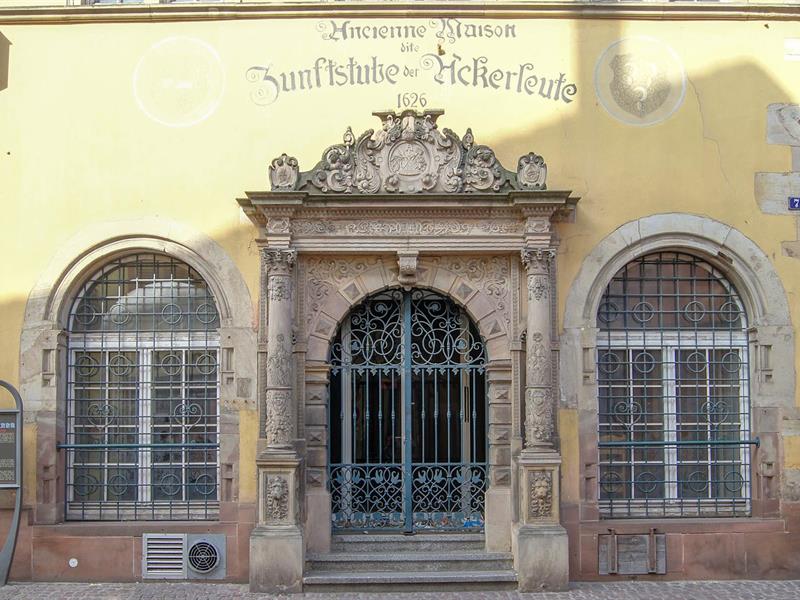
Poêle des Laboureurs
This building, rebuilt in 1626 by the Corporation of Labourers in a late Renaissance style, was used as a synagogue by the Jewish community of Colmar until 1842.
Discover this place idées.outings in Alsace
290 places
Colmar · 68
This building, rebuilt in 1626 by the Corporation of Labourers in a late Renaissance style, was used as a synagogue by the Jewish community of Colmar until 1842.
Discover this place
Scherwiller · 67
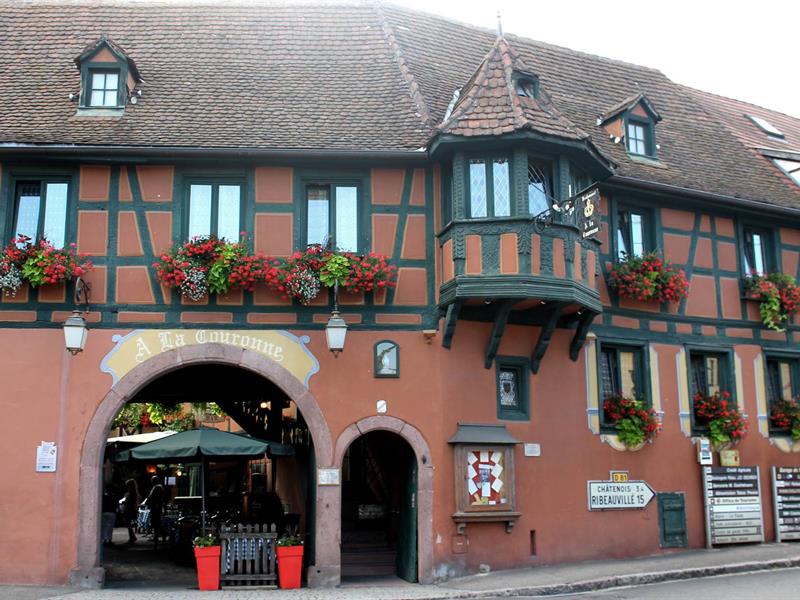
Former 18th-century cooper's farmhouse turned restaurant, featuring a listed watchtower and carved emblems. Only visible from the outside.
Discover this place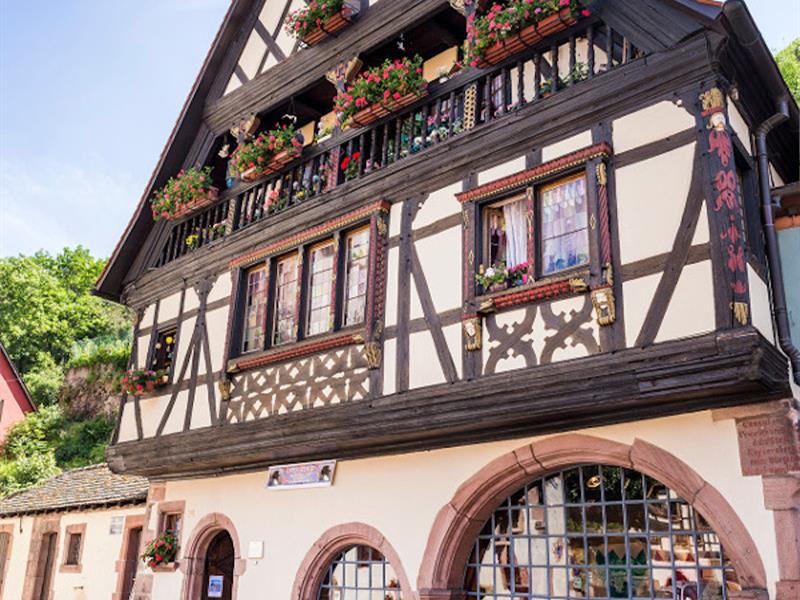
Kaysersberg Vignoble · 68
This 15th-century Alsatian house, once home to a blacksmith, features a German inscription on its window. Acquired by the city in 1907, it housed a museum for 65 years after restoration.
Discover this place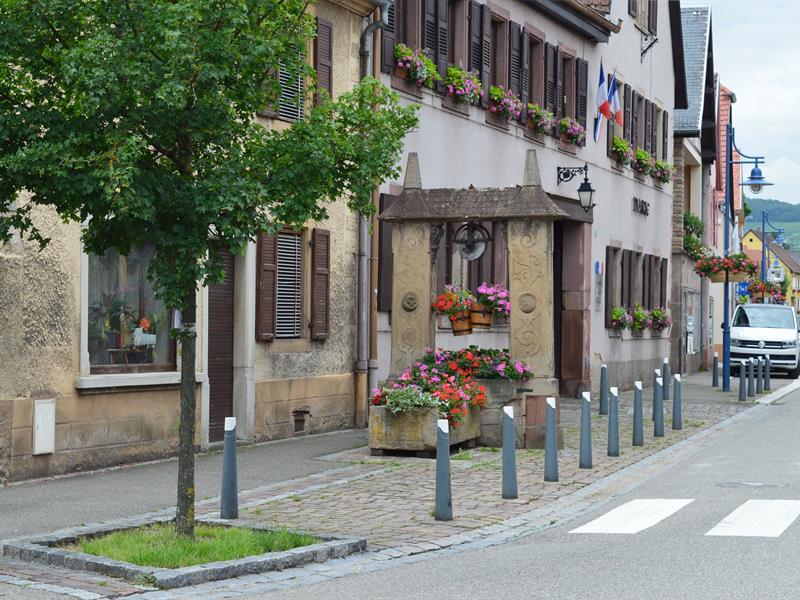
Dorlisheim · 67
This Renaissance well, erected in 1605 in the village square, is distinguished by its lintel resting on two rectangular uprights decorated with period motifs.
Discover this place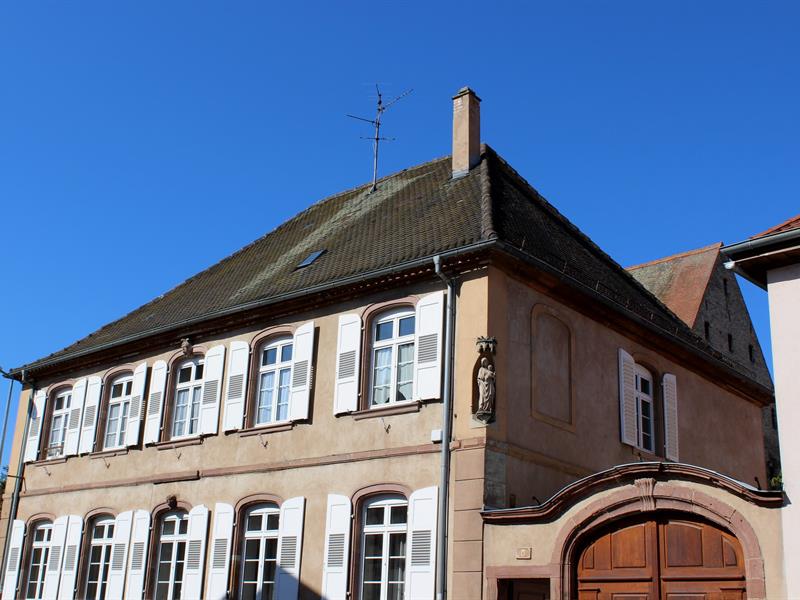
Haguenau · 67
The presbytery of Saint George parish, built in 1754, is notable for its sculptures: a child's head on the ground floor, a helmeted man on the upper floor, and a neo-Gothic statue of the Virgin and Child in a corner niche.
Discover this place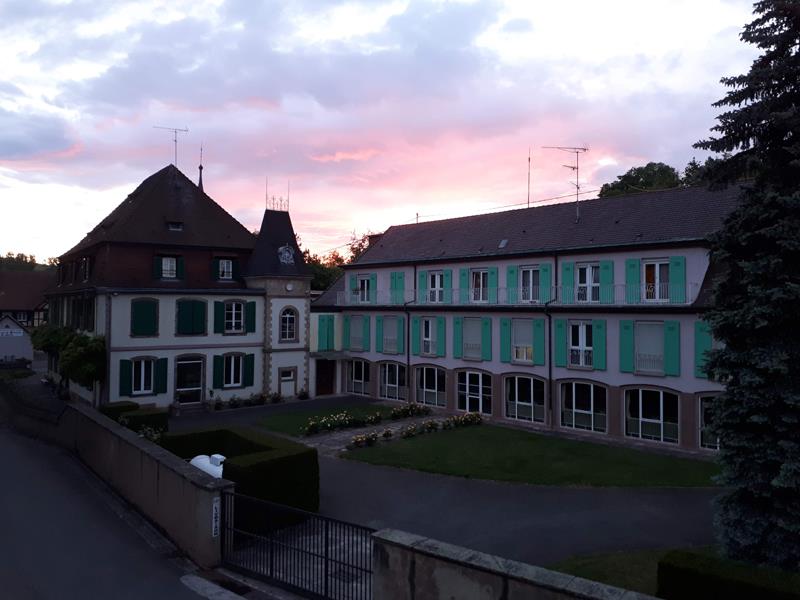
Wolxheim · 67
This 18th-century mansion, built by a local contractor, became a retirement home for missionary priests in 1949. The private estate, visible only from outside, opens onto the Bruche Canal and vineyards.
Discover this place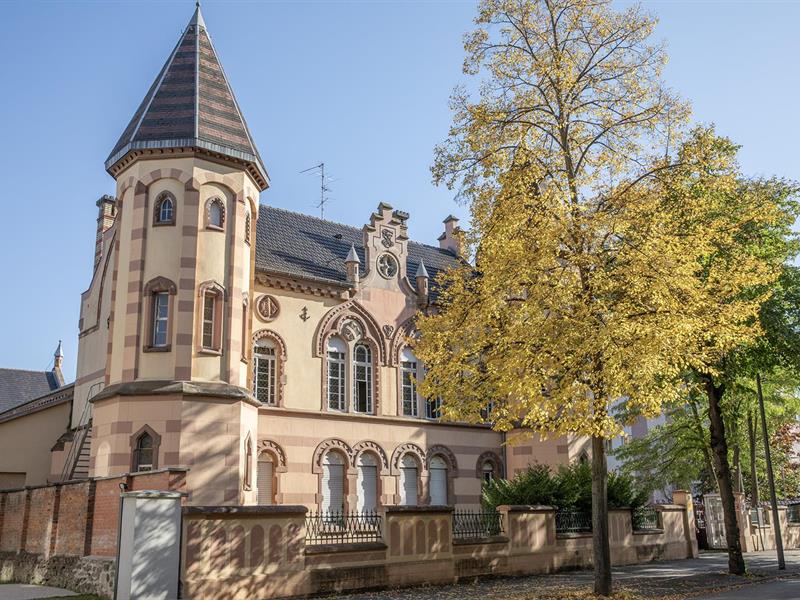
Colmar · 68
Founded in 1880 and revived in 1890 by Father Etienne Frey, the Saint-Martin Circle in Colmar was a major cultural and sports venue. Its 72-meter building, completed in 1895, blends neo-Romanesque and neo-Gothic styles.
Discover this place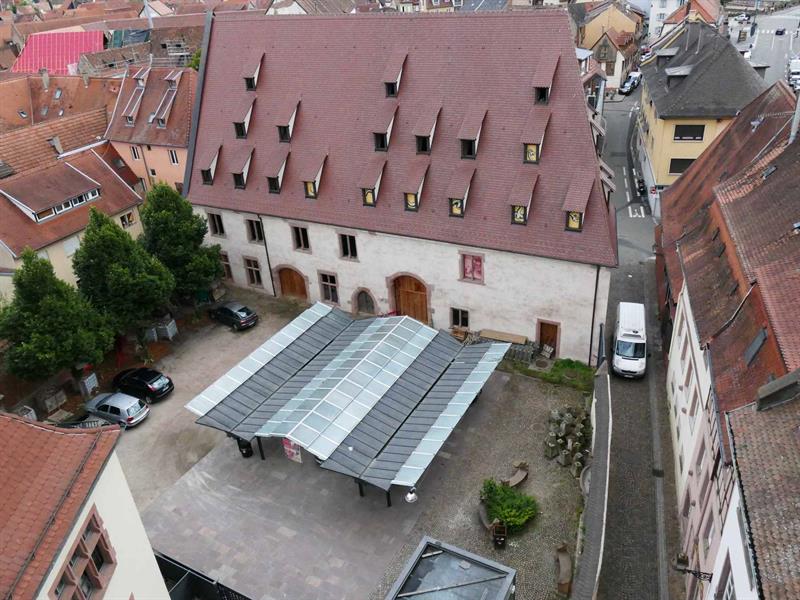
Sélestat · 67
Built in 1518, the three-building arsenal, formerly Zeughaus, has been called Saint-Hilaire since 1785. Its imposing three-level attic framework, covered with terracotta tiles, reflects its role in storing tools, ammunition, and materials.
Discover this place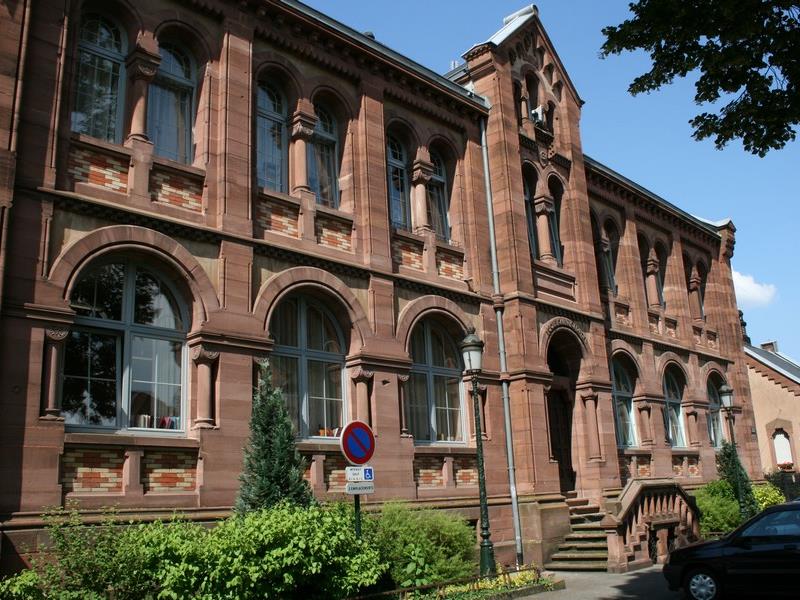
Haguenau · 67
Built in 1880 during Mayor Nessel's term in a neo-Romanesque style, this building draws inspiration from the 12th-century imperial chapel. It evokes the former grandeur of the medieval imperial residence for the people of Haguenau.
Discover this place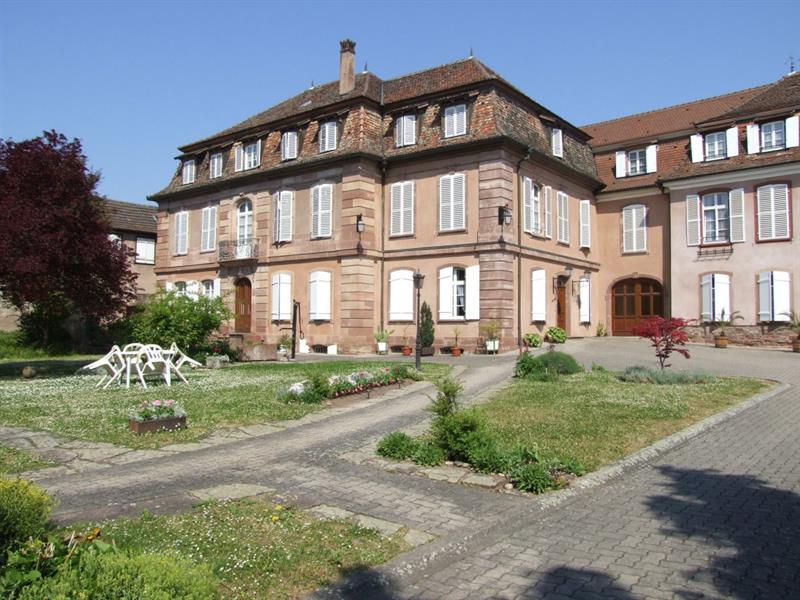
Marlenheim · 67
The Domain Court of the Abbey of Andlau, called "Stadelhof," is a 13th-century medieval site. The park features a 14th-century statue of St. Richarde and an 18th-century manor house.
Discover this place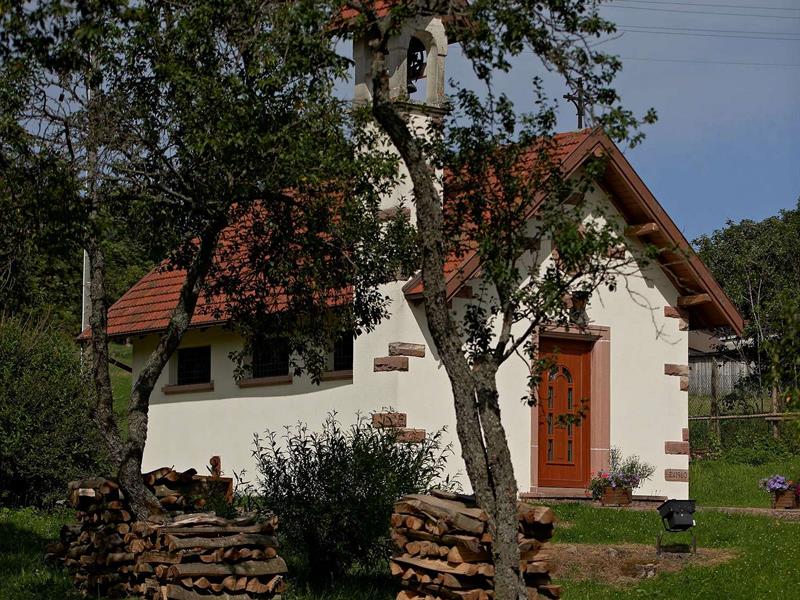
Ranrupt · 67
Ranrupt, Fonrupt, and Stampoumont showcase Vosges rural architecture with their massive farms under unified roofs. These mountain villages, a few kilometers north and west of Ranrupt, feature typical landscapes.
Discover this place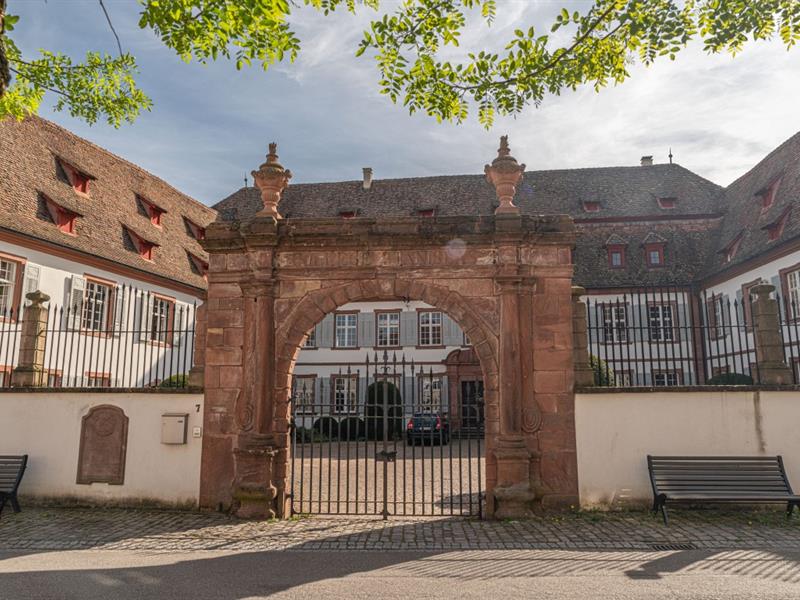
Wissembourg · 67
Stanislas Palace was the residence of King Stanislas Leszczynski from 1719 to 1725, the year his daughter Marie married Louis XV.
Discover this place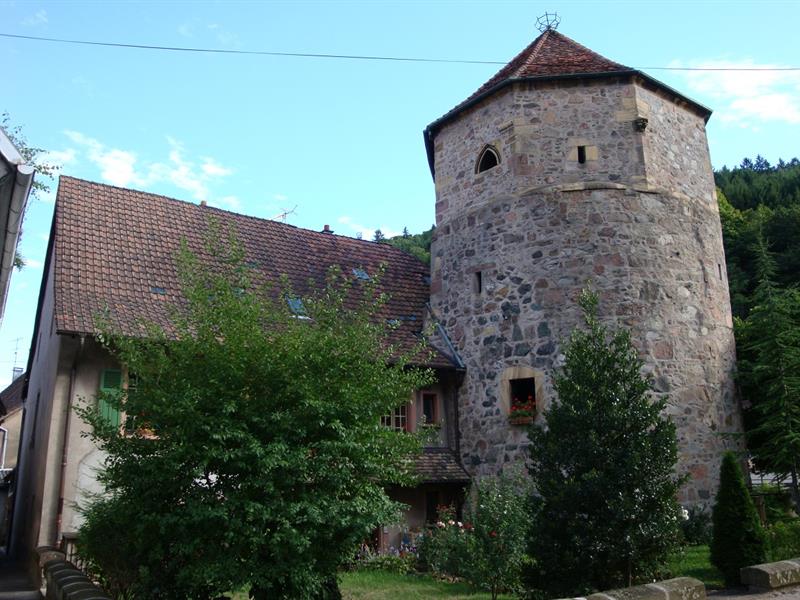
Thann · 68
Old rampart tower built in 1360, restored in 1572 and damaged during World War I, it is named after the storks that once nested at its top. Now privately owned, it offers a rare remnant of the city's second defensive wall.
Discover this place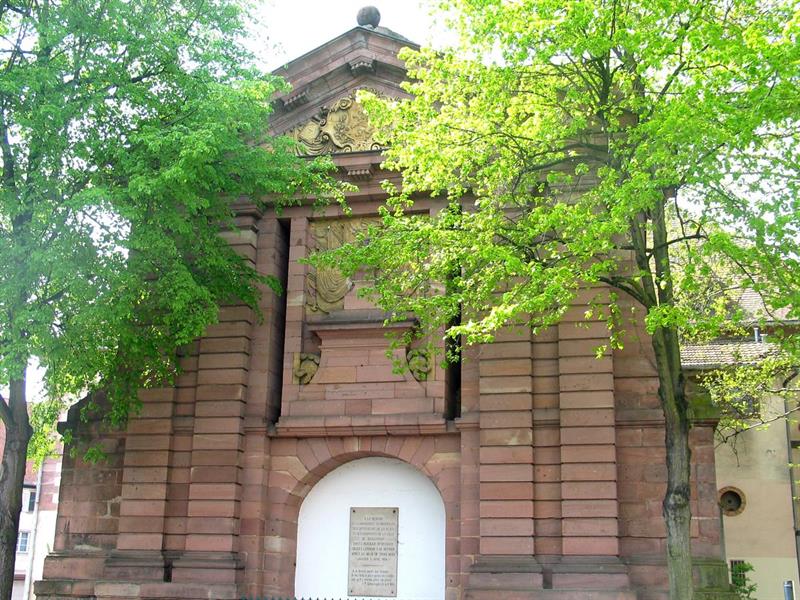
Sélestat · 67
Built in 1679 by Vauban and Tarade, this fortified gate of pink sandstone and bricks is the last remnant of the city's ramparts. A plaque commemorates the 1814 siege, placed in 1919.
Discover this place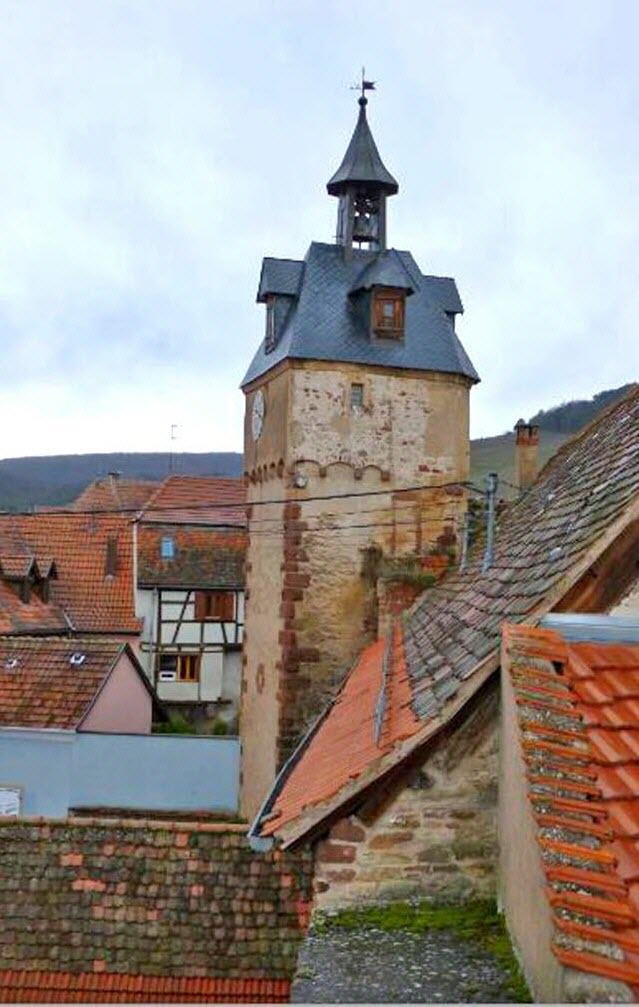
Westhoffen · 67
The Städtelglöckelturm, the belfry's bell tower, warned villagers of dangers or major events. A legend links it to a silver bell ringing nightly at 10 p.m., once used for important announcements or alerts.
Discover this place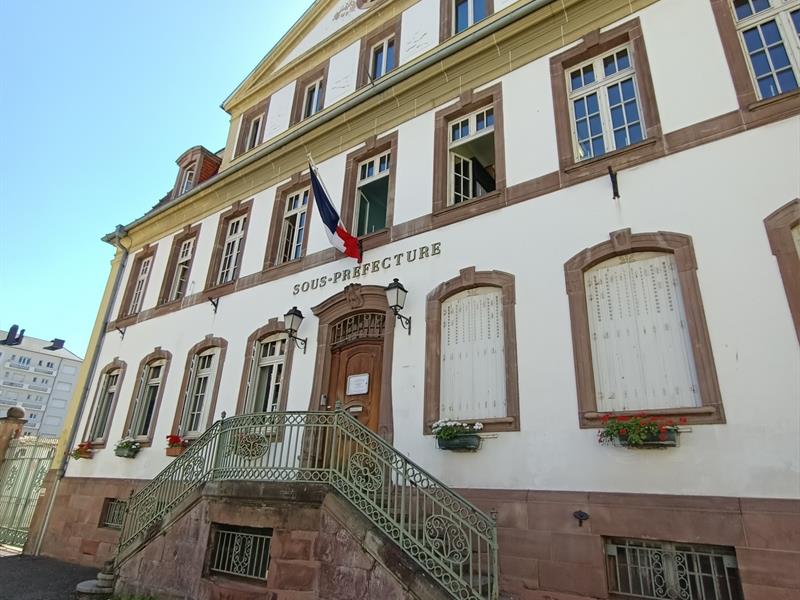
Haguenau · 67
Built in 1810 under Napoleon, this building served as cantonal administration and has been a sub-prefecture since 1871. Today, it houses the offices of the Haguenau-Wissembourg sub-prefecture.
Discover this place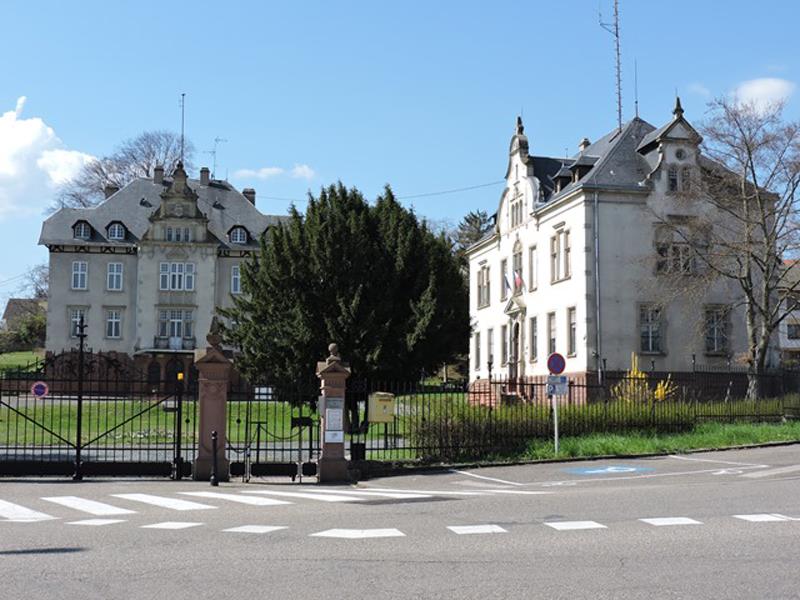
Molsheim · 67
Molsheim, district capital after the 1870-1871 war, houses several buildings from the Wilhelm era, including its sub-prefecture.
Discover this place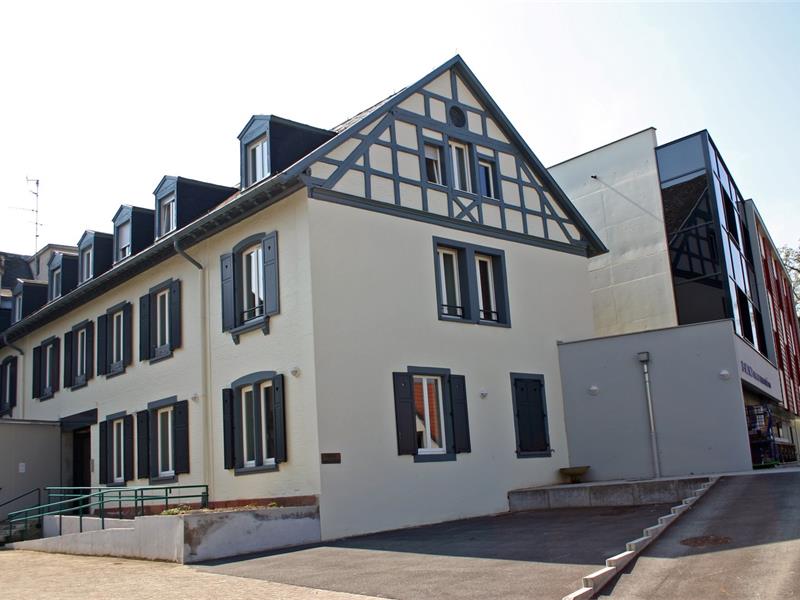
Bischwiller · 67
This 19th-century house, formerly owned by a family of wool merchants, was converted into a retirement home in the early 20th century after being founded in 1721.
Discover this place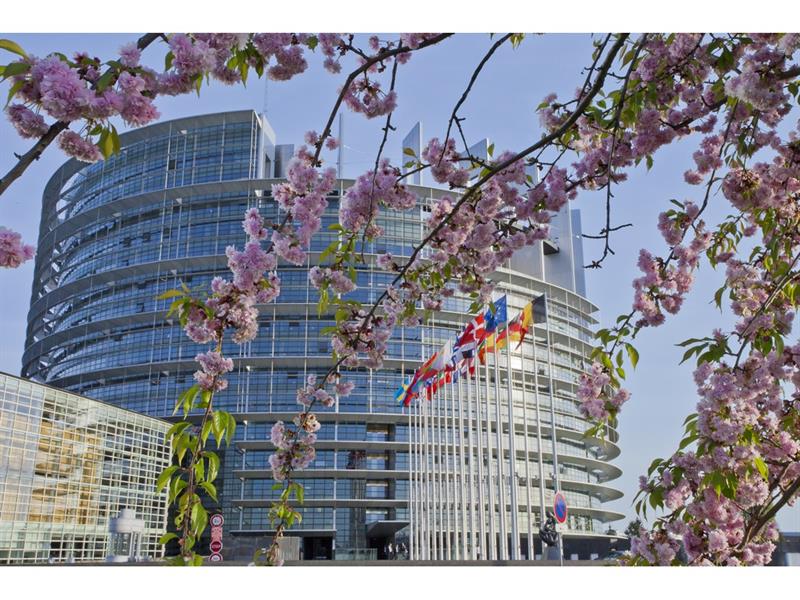
Strasbourg · 67
Strasbourg, a European symbol since 1949, hosts the European Parliament in an impressive glass and metal architectural building. Visit its hemicycle, the largest in Europe, and discover its central role in the European Union.
Discover this place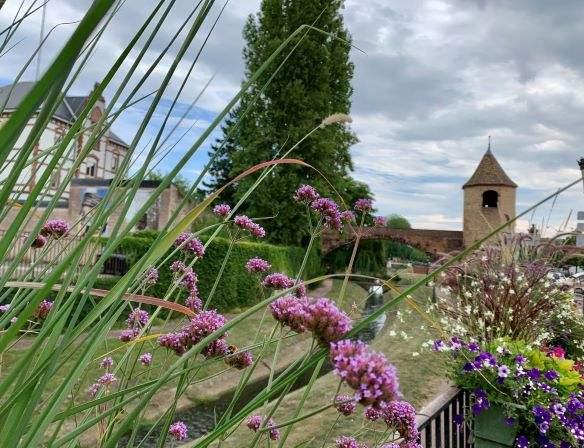
Haguenau · 67
This octagonal tower, built between 1228 and 1235 and remodeled in the 16th century, overlooks the Moder River. Its first level of brick and sandstone dates from the 13th century, with upper floors from the 17th. An arch with a portcullis once spanned the river to control city access.
Discover this place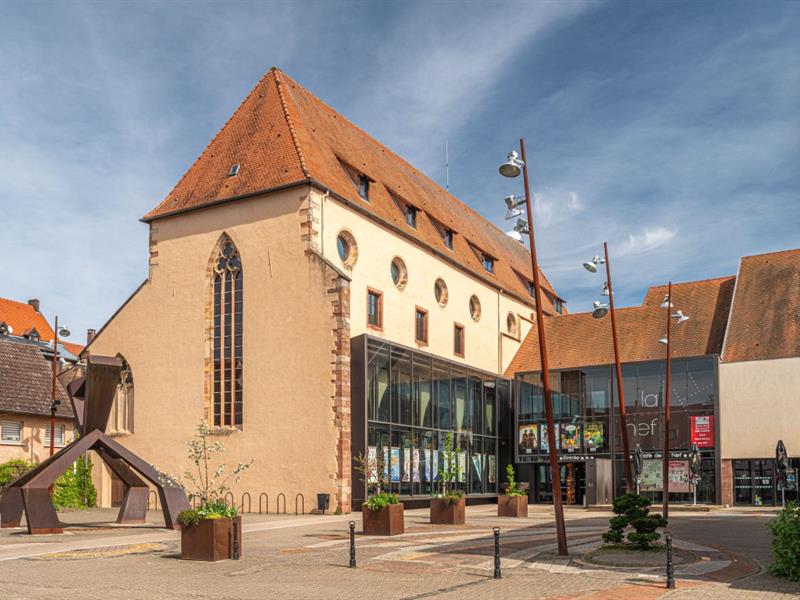
Wissembourg · 67
Abandoned by monks during the Reformation in 1547, this Wissembourg convent served as a hospital, stables, then a barracks, and now houses the Relais Culturel.
Discover this place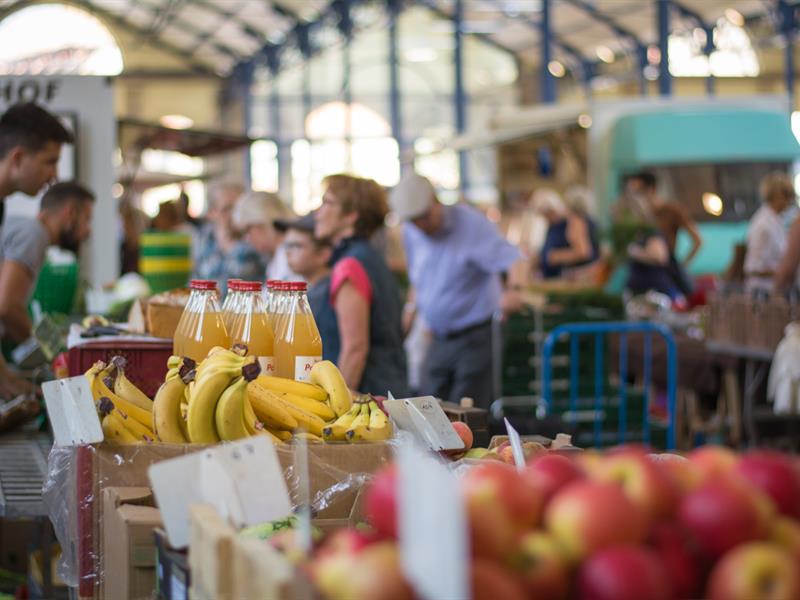
Haguenau · 67
La Halle aux Houblons, built in 1867 and expanded in 1881, is a landmark covered market in Haguenau. It now hosts a weekly market and cultural events, including dinner shows during the Hop Festival.
Discover this place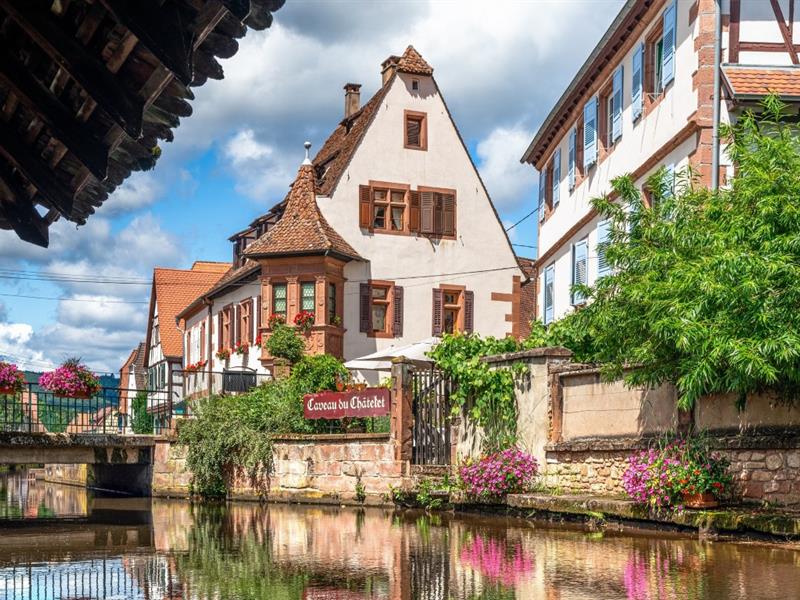
Wissembourg · 67
In Wissembourg, the House of Ami Fritz, a former tanners' house from 1550, is famous for being the set of the 1932 film inspired by Erckmann-Chatrian's character. Don't miss its portal and oriel window, symbols of Alsatian Renaissance architecture.
Discover this place