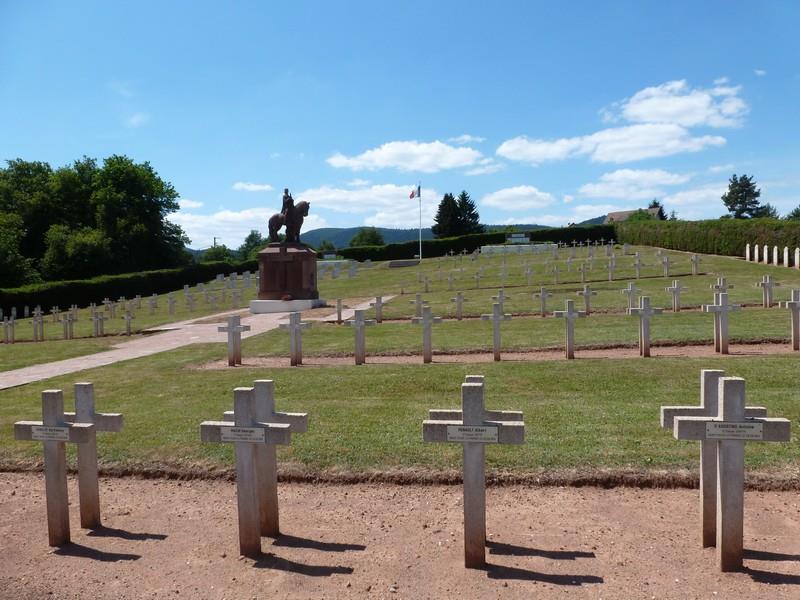
Plaine · 67
Monuments and remembrance sites
Military Cemetery (1939-1945)
This site holds the graves of soldiers, including those of Muslim and Jewish faiths, honoring their memory.
Discover this place idées.outings in Alsace
527 places
Plaine · 67
This site holds the graves of soldiers, including those of Muslim and Jewish faiths, honoring their memory.
Discover this place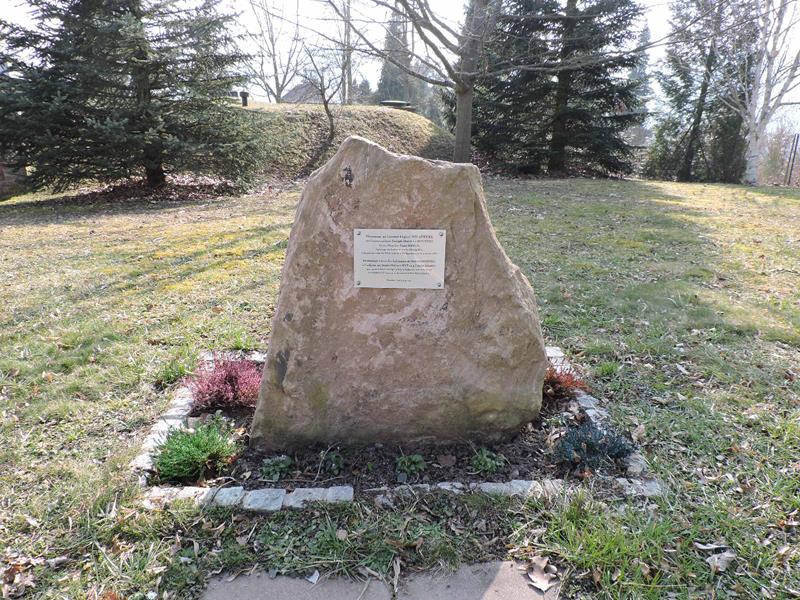
Heiligenberg · 67
In Heiligenberg, a stele commemorates the perilous landing of the Montgolfier balloon in 1870, saved by locals from the Prussians. A mural at the town hall tells this feat.
Discover this place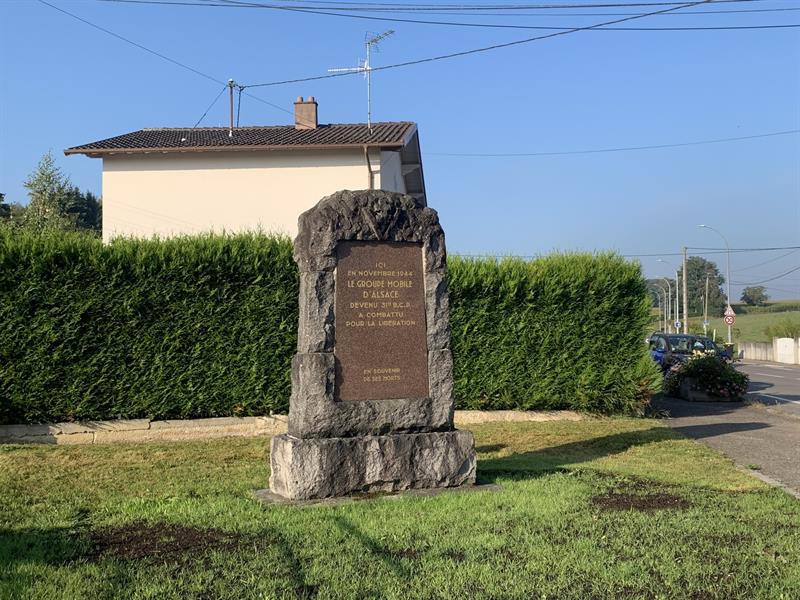
Seppois-le-Bas · 68
During World War II, the Alsatian Resistance organized in Alsace and abroad, notably in the Southwest of France and Switzerland, to unite Alsatians who were scattered or in refuge.
Discover this place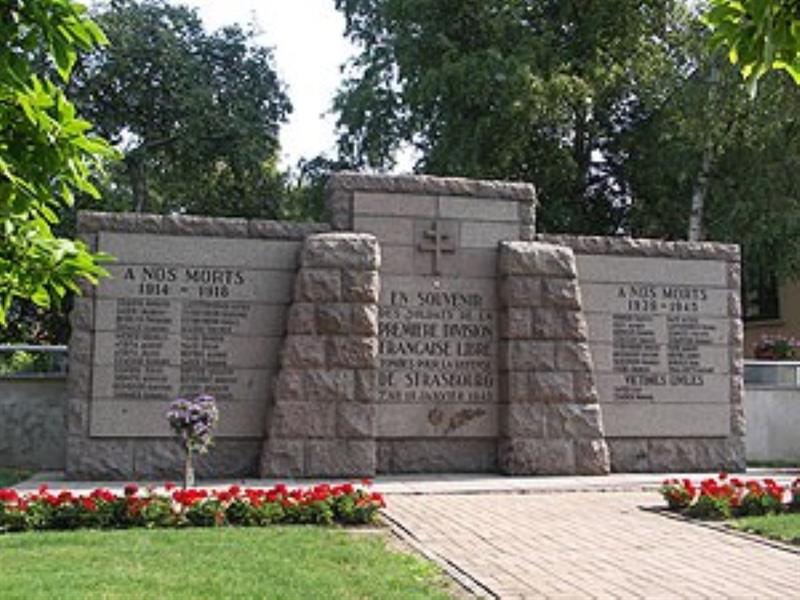
Obenheim · 67
In December 1944, the 1st Free French Division defended Strasbourg against a German counter-offensive. Despite extreme conditions, the city was saved, but a battalion was wiped out at Obenheim.
Discover this place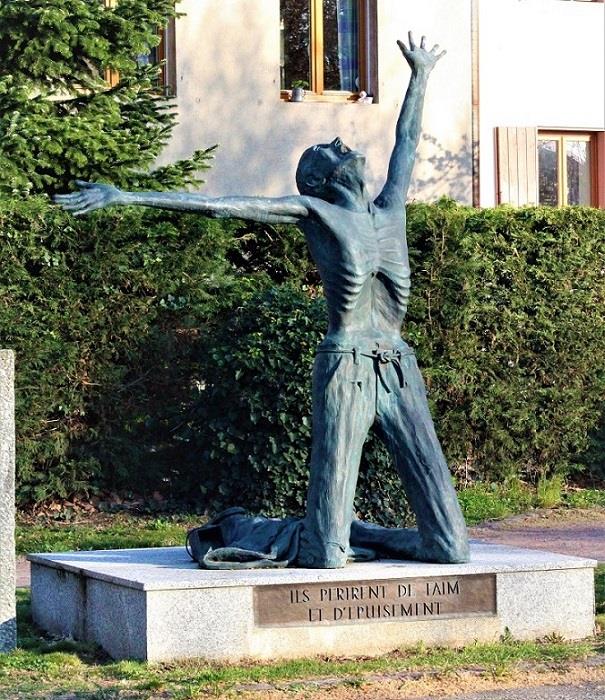
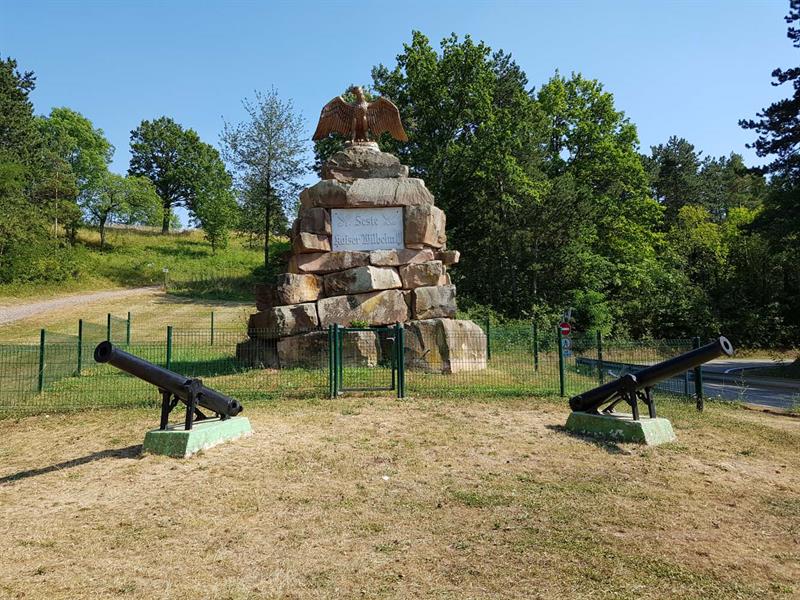
Dinsheim-sur-Bruche · 67
The Namensstein, erected in 1896 for the inauguration of the Mutzig fortress, has been restored and moved to the public area. It once again features the imperial eagle and the original plaque, accompanied by two cannons.
Discover this place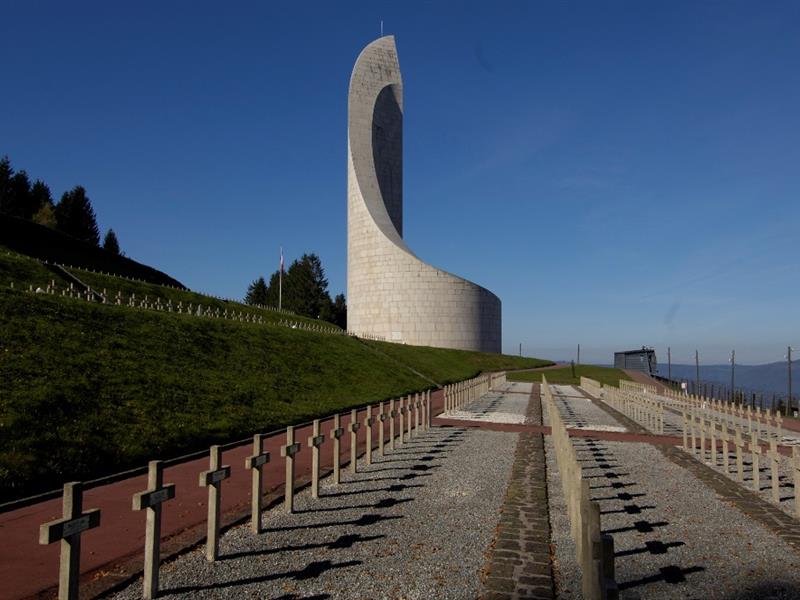
Natzwiller · 67
This site houses 1,120 graves of deportees from six major Nazi camps, including Buchenwald and Dachau, bearing witness to the horror of deportation.
Discover this place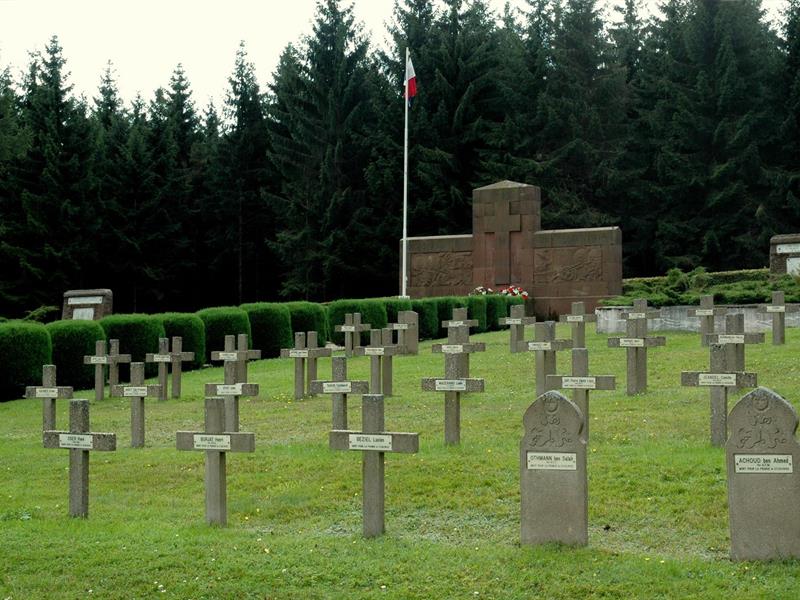
Grandfontaine · 67
The Donon national necropolis honors 181 soldiers from the First World War, with two ossuaries and 108 individual graves, inaugurated in 1920.
Discover this place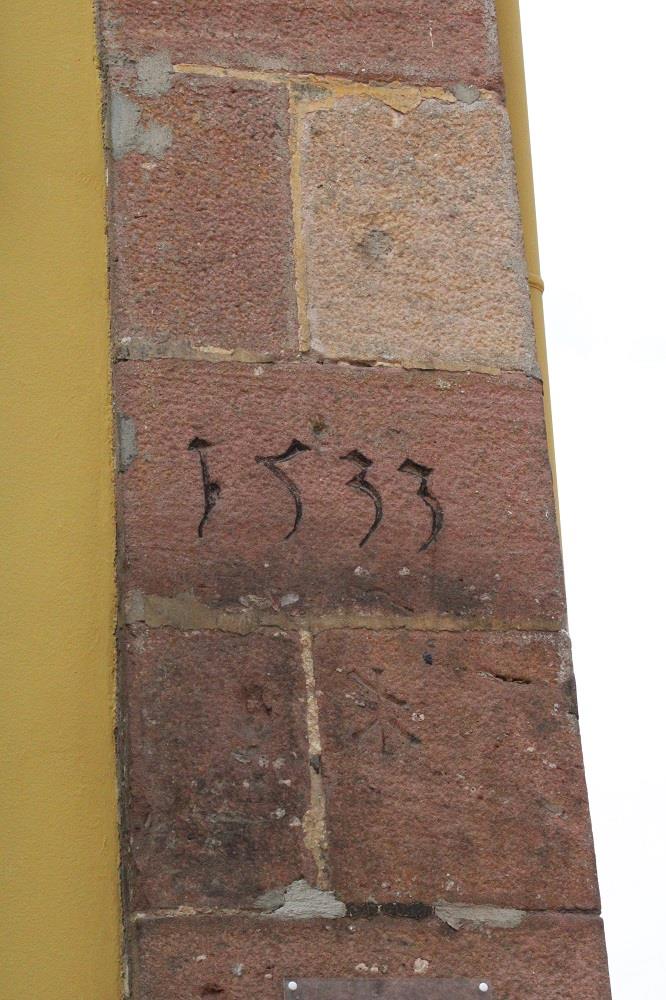
Thann · 68
Thann gained the right to mint silver coins in 1387. The city used its own emblem, visible on the facade of a building dated 1533, before extending it to the entire Holy Roman Empire. A replica of the Pilgerthaler, a famous local coin, is displayed at the Tourist Office.
Discover this place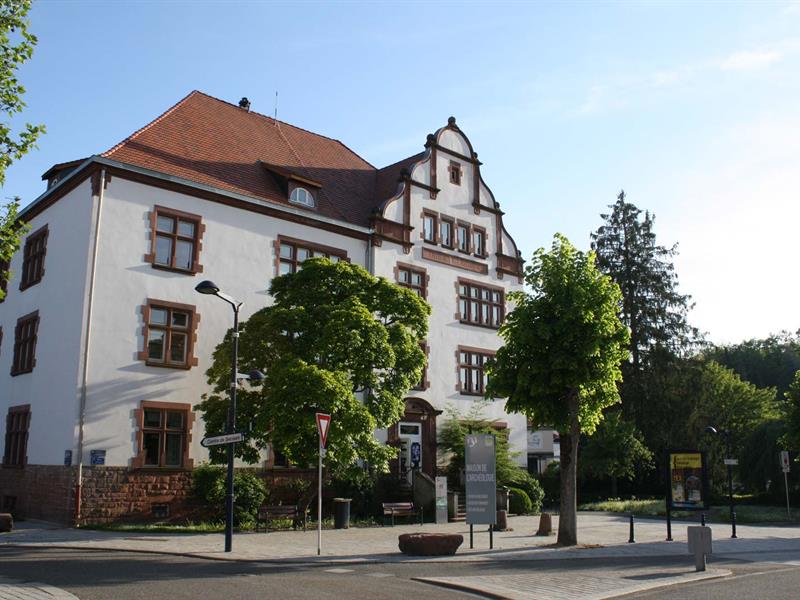
Niederbronn-les-Bains · 67
This Alsatian museum traces the archaeology of northern Alsace from Prehistory to the industrial era, featuring Gallo-Roman, medieval, and industrial collections, including stoves from the Dietrich ironmasters.
Discover this place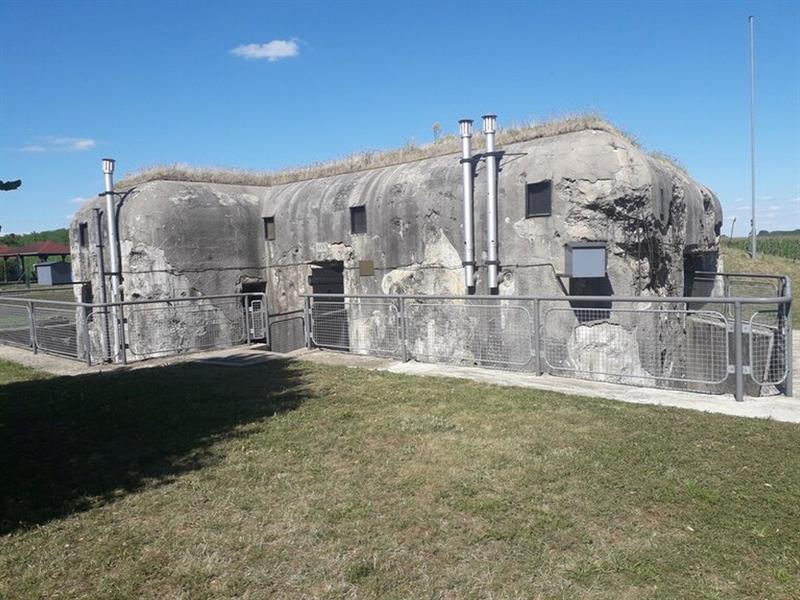
Oberrœdern · 67
Oberrœdern witnessed battles in January 1945. The Rieffel Casemate, restored in 2008, bears witness to the 1940 fighting and was part of the Maginot Line between Schœnenbourg and Hatten.
Discover this place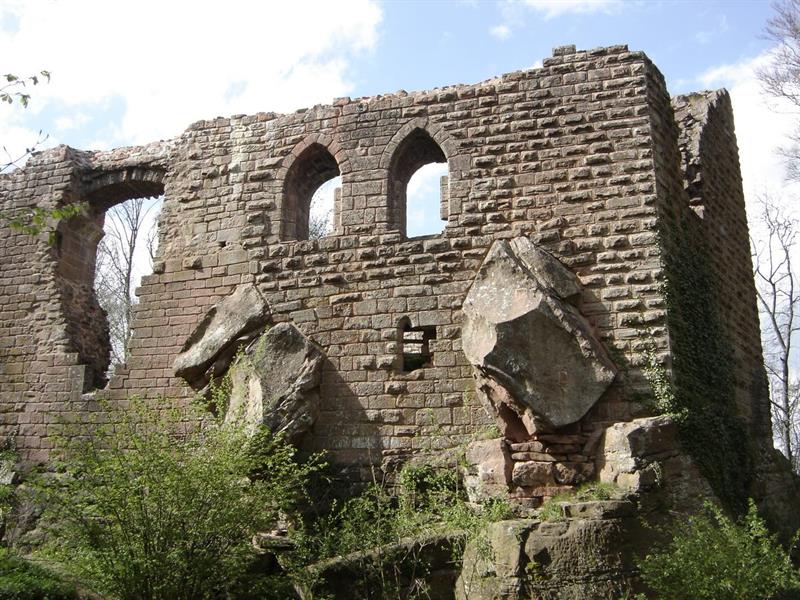
Orschwiller · 67
This medieval ruined castle near Haut-Koenigsbourg is inaccessible (fenced off), but its remains, such as the shield wall and the façades of the dwelling, can be seen from outside and illustrate castle architecture.
Discover this place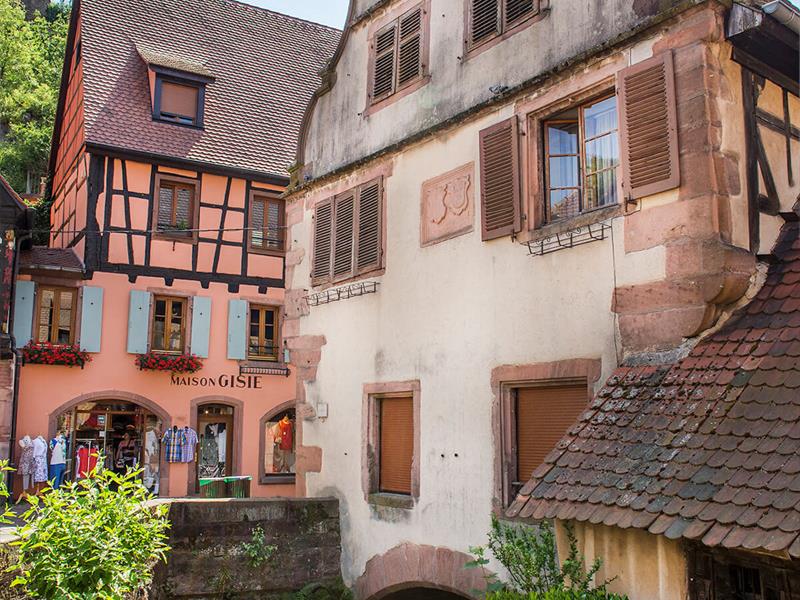
Kaysersberg Vignoble · 68
Old public butcher shop rebuilt in 1616, this sandstone and timber-framed trading place overlooked the mill canal. The slaughterhouse was once in the house at the corner of the fortified bridge and Bains Street.
Discover this place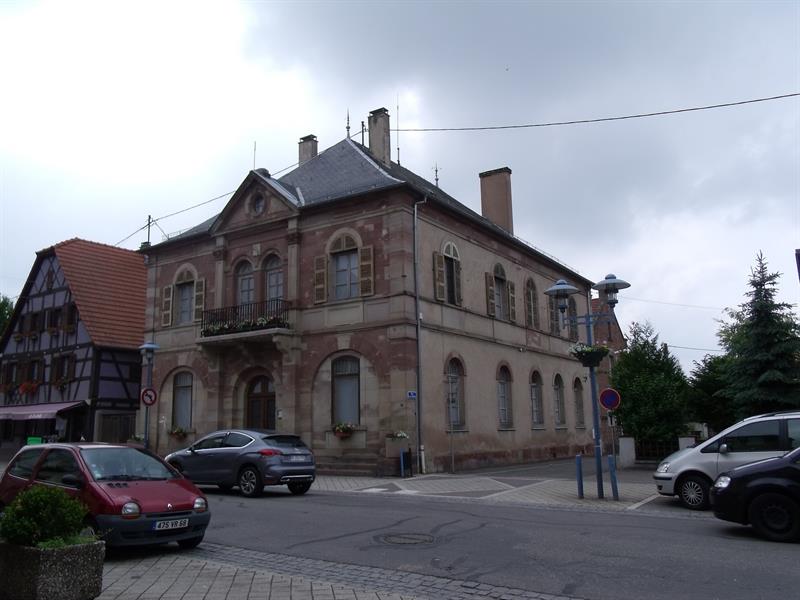
Marckolsheim · 67
The Marckolsheim cantonal court is housed in a 19th-century stone building. It contains the justice of the peace's office and courtroom, formerly located in the Town Hall. At the back is the old prison from the same era.
Discover this place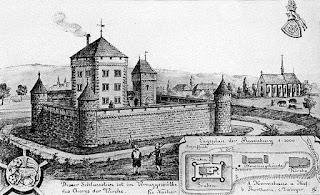
Westhoffen · 67
The Rosenberg Castle, built in the 11th century, was converted into a farm in the 19th century. It is private property and not accessible to the public.
Discover this place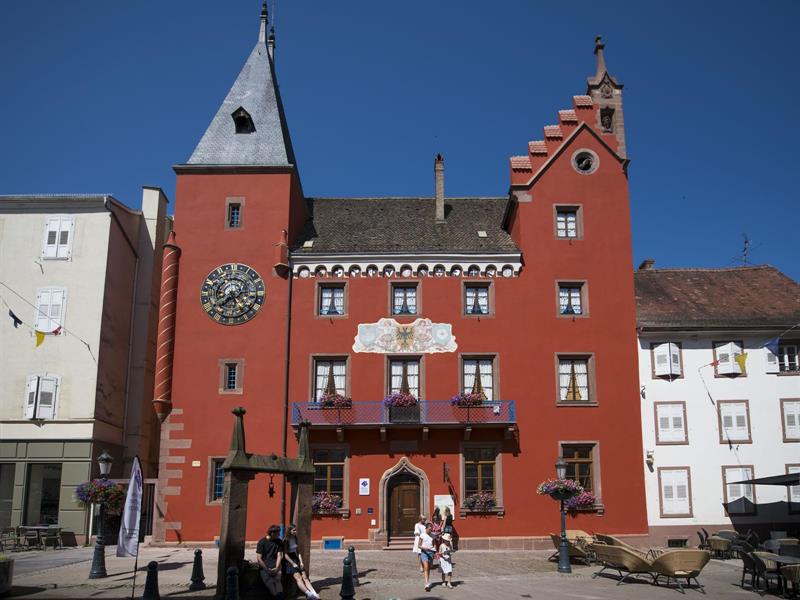
Haguenau · 67
The Old Chancellery of Haguenau, a 15th-century architectural gem, features a neo-Gothic facade adorned with coats of arms and elegant towers. It now houses the Tourist Office and the Alsatian Museum, rich in traditional costumes, objects, and typical interior reconstructions.
Discover this place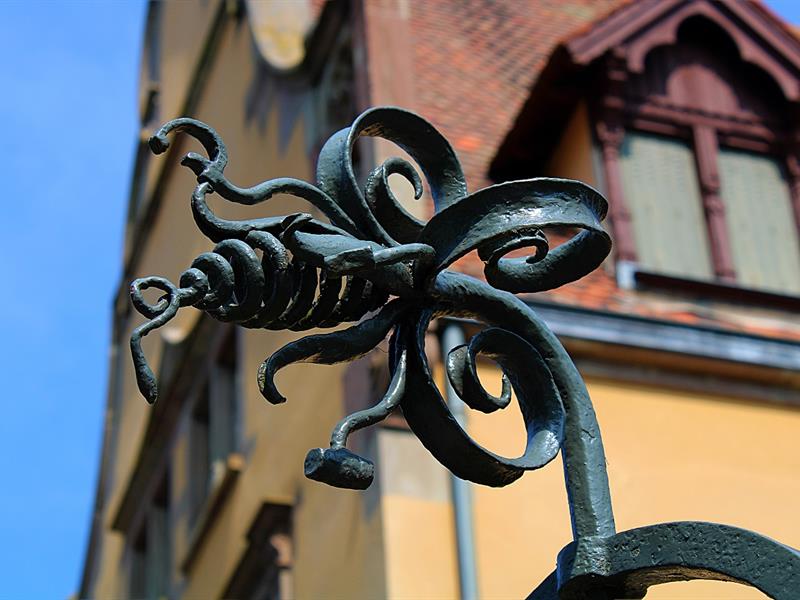
Cernay · 68
This neo-Renaissance building, constructed around 1900, features wrought iron grilles symbolizing local trades. Its cellars housed an auxiliary hospital during the winter of 1944-1945.
Discover this place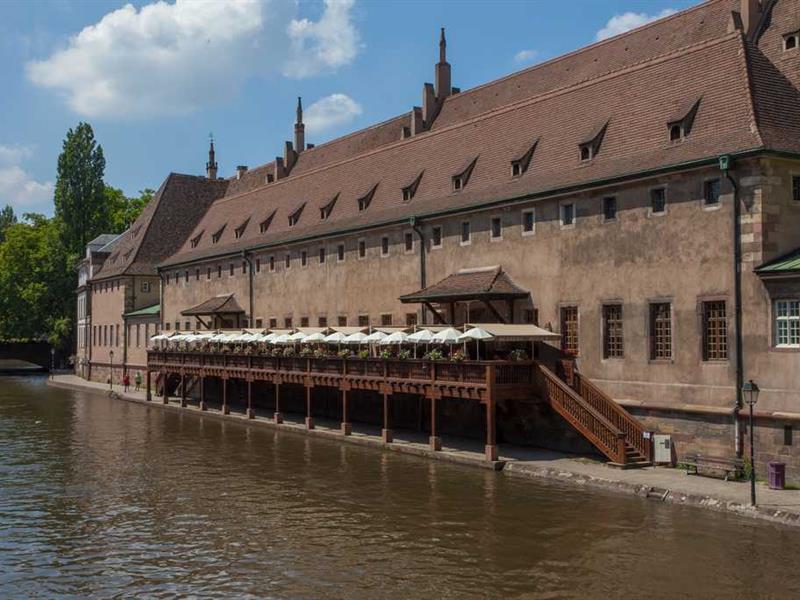
Strasbourg · 67
Strasbourg, a major trading hub since the 12th century due to its waterways, houses a medieval warehouse built in 1358 to tax goods. Destroyed in 1944, it was rebuilt in the 1960s, restoring its original appearance.
Discover this place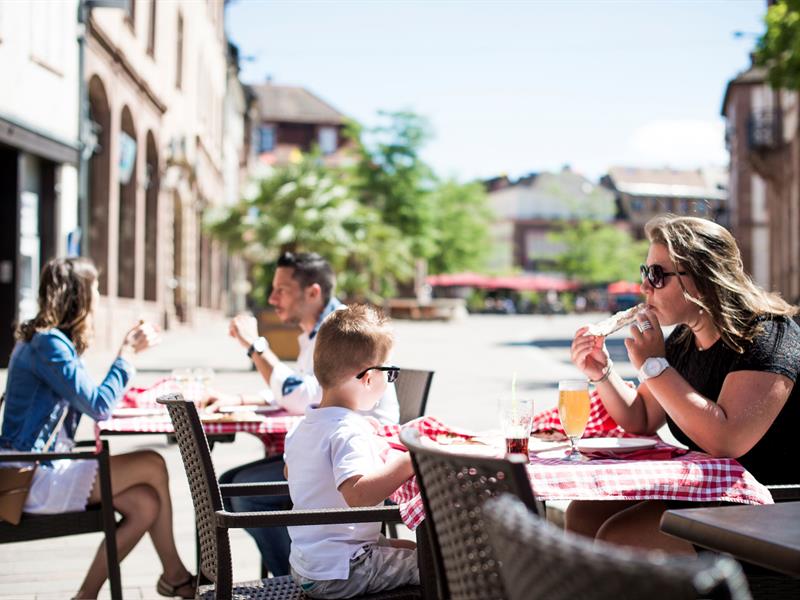
Haguenau · 67
Built in 1518 on the former Moder River, this customs house controlled goods. Its 19th-century sundial, a "Golden Barrel" sign, and flood marks recall its history. Today, it hosts events.
Discover this place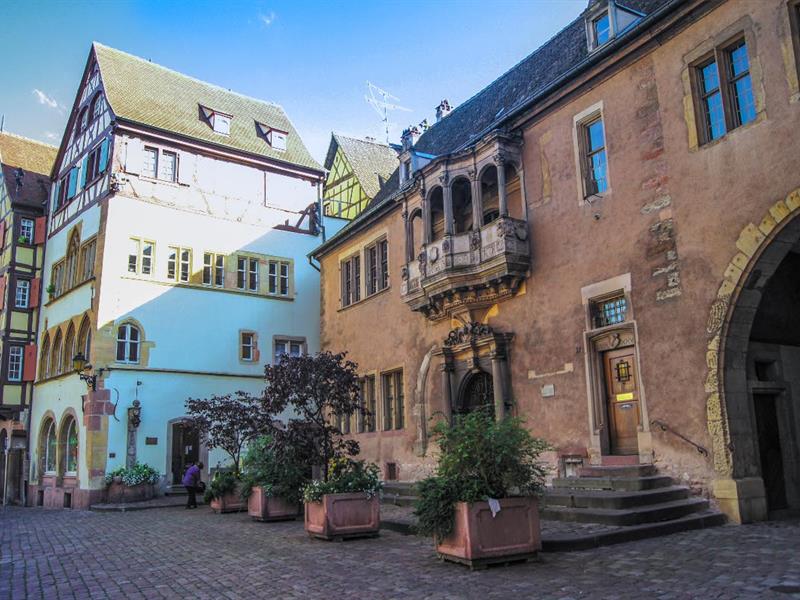
Colmar · 68
This Upper Rhine Renaissance building, remodeled in 1575, was first a chapel then a town hall. Its decorated loggia and portal form an architectural gem. It housed a market, justice court, and public services.
Discover this place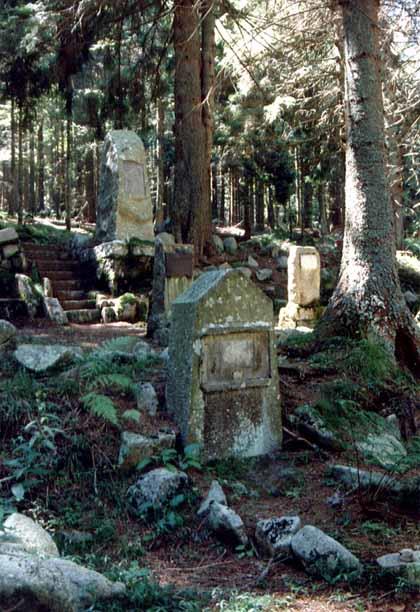
Stosswihr · 68
Old French military cemetery located on the Gaschney path, at the Sattel Pass, on the northern side. A historic memorial site to discover.
Discover this place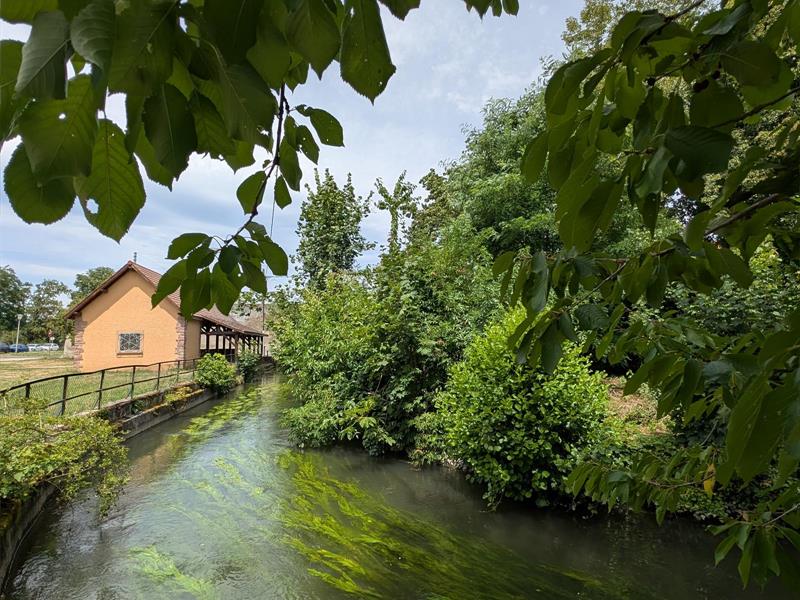
Ensisheim · 68
Built in the 19th century, Alsatian washhouses line the rivers. The restored Ensisheim washhouse borders the Quatelbach and opens onto a walk along the town's ramparts.
Discover this place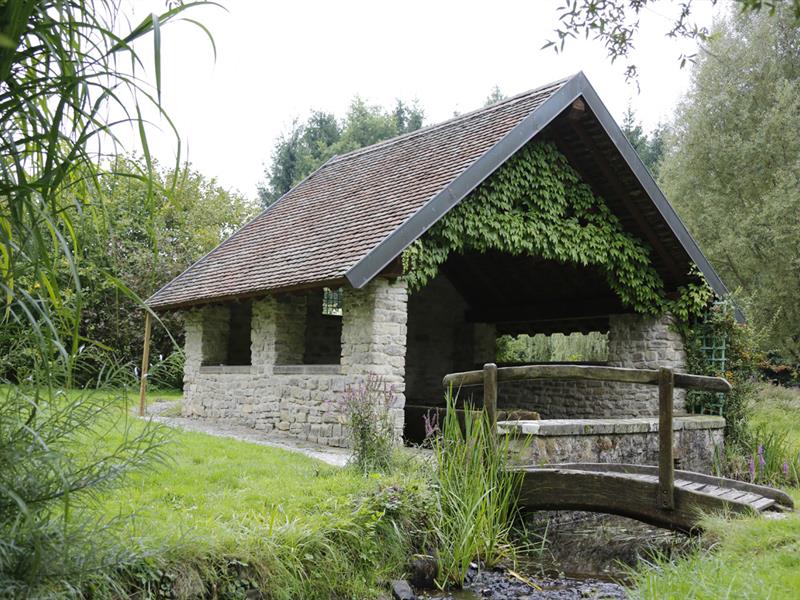
Siltzheim · 67
The association Les Amis du Gutebrunne et du Patrimoine de Siltzheim, founded in 1999, restored the old washhouse and its surroundings. It organizes an annual festival in June and ensures the site's upkeep.
Discover this place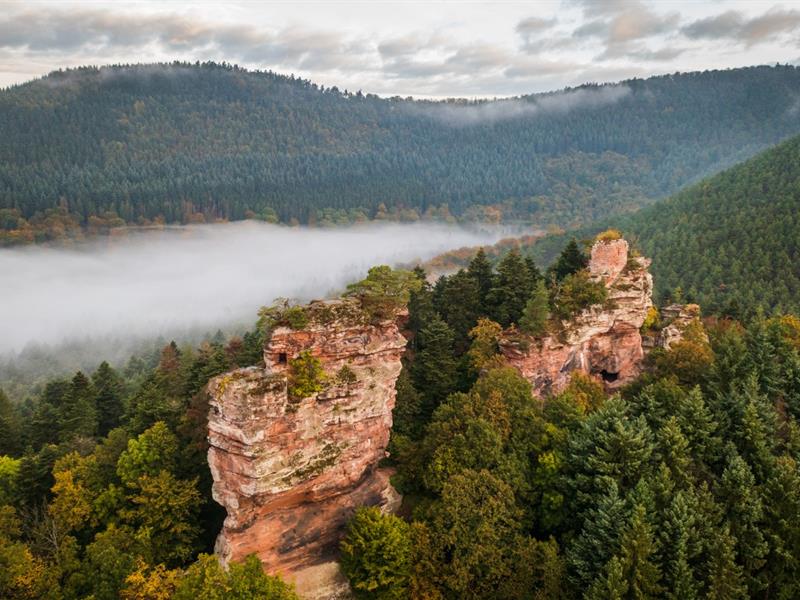
Windstein · 67
Old Windstein, a semi-troglodyte castle built by the Hohenstaufen in the late 12th century, stands atop a 410-meter summit. Destroyed in 1676 by French troops after attacks in 1332, it retains underground galleries.
Discover this place